
To successfully create large, connected regions of forests or fields in Dorfromantik, employing strategic placement and expansion techniques is crucial. Here’s a detailed breakdown of the best practices to achieve this:
1. Start New Islands with Easy Connections
Begin your gameplay by placing your initial tiles of the same type—whether forest or field—close to one another. Make sure these placements have simple and clear connections. This foundational step is vital as it allows for straightforward expansion in subsequent moves, fostering a seamless growth of the area without breaking the chain of connections.
2. Plan Dedicated Areas
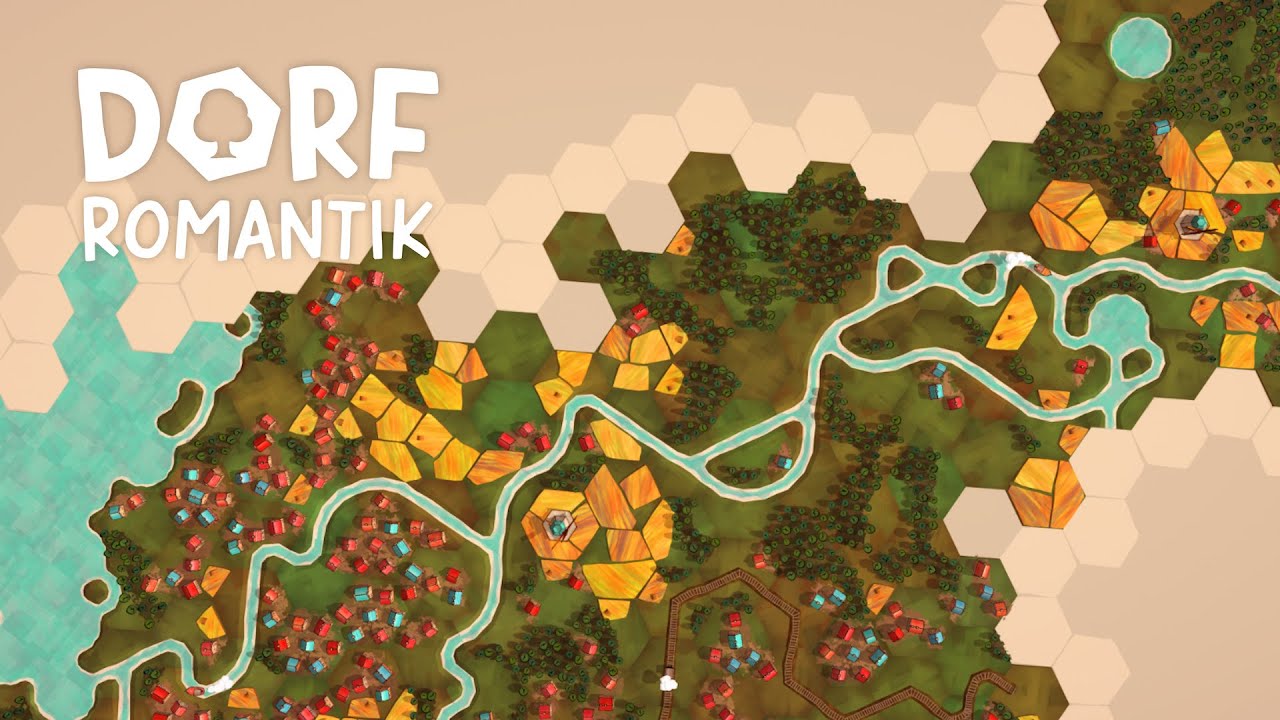
It’s important to allocate different regions of your landscape for specific types of tiles. Establish distinct zones for forests, fields, housing, and water. By keeping areas for forests and fields clustered and separate, you facilitate the placement of matching tiles side by side, which is key to forming large, connected regions.
3. Surround with Complementary Tiles
To maximize your fields’ area, strategically place complementary tiles like farms or agricultural structures adjacent to fields. These tiles not only enhance the aesthetics of the landscape but also support continuous expansion of agricultural areas. For forests, including tiles that feature natural features like ponds alongside your tree tiles can help cultivate extensive forest patches, further contributing to the overall connectivity.
4. Use Rotation and Placement to Maximize Matching Edges
Before placing a tile, consider rotating it to ensure that the edges match with adjacent tiles—this is crucial for both forests and fields. Proper rotation maximizes the connections between tiles, thus effectively enlarging the continuous areas of forests or fields. The more edges you can align, the greater your potential for expansion.
5. Avoid Fragmentation
It’s essential to avoid disrupting your established forest or field areas with an excessive number of diverse tile types within those clusters. To increase the size of your connected landscapes, maintain a primarily uniform tile pattern within each designated area. This singular focus aids in completing bonus tasks associated with large, contiguous landscapes and enhances the overall functionality of your layout.
Summary
In summary, the key tactics for building sprawling forests and fields in Dorfromantik include:
– Starting with easy-to-connect islands to lay a strong foundation.
– Designating distinct zones for different tile types to streamline connections.
– Placing complementary tiles strategically to maximize area.
– Carefully rotating and positioning tiles for optimal edge alignment.
– Minimizing fragmentation within clusters to maintain uniformity and size.
By implementing these strategies, you can create extensive, connected regions that not only boost your score in the game but also contribute to the beauty and coherence of your evolving landscape. Happy gaming!


/pic8020250.jpg)
Leave a Reply