
In Total War: Warhammer III, diplomacy transcends mere negotiation; it serves as a weapon that can shape the political landscape of the game. By leveraging diplomatic strategies effectively, players can manipulate rival factions, turning potential threats into allies or simply reducing the pressure on their own territory. Below is a detailed guide on how to strategically employ diplomacy in your favor.
Understanding Diplomatic Actions
To manipulate rival factions effectively, it’s crucial to understand the various diplomatic actions available:
1. Trade Agreements: These agreements not only bolster your economy but also strengthen relationships with other factions. By initiating trade early in your campaign, you enrich both parties and set the stage for future diplomatic negotiations, creating a foundation of trust and reciprocity.
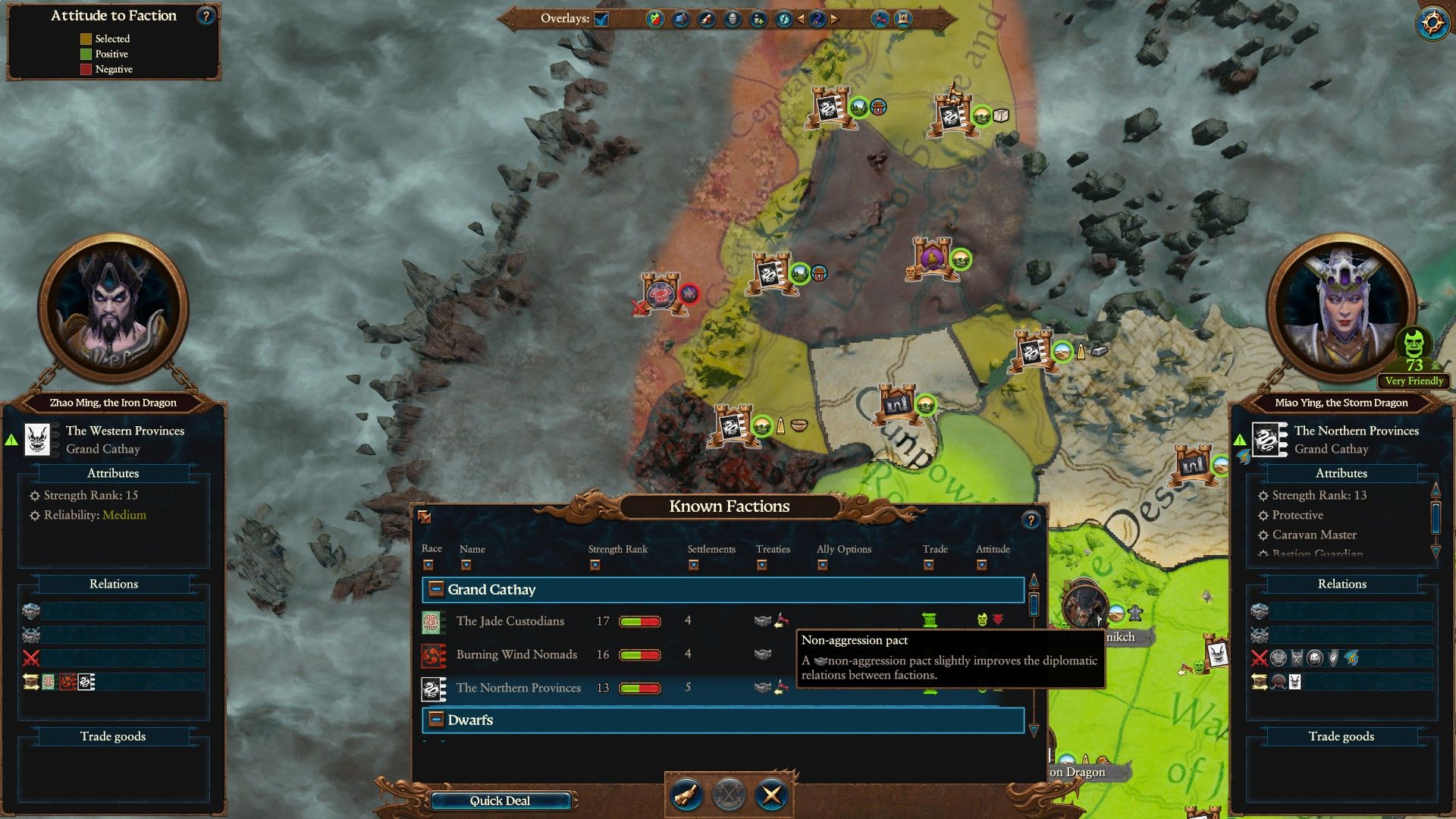
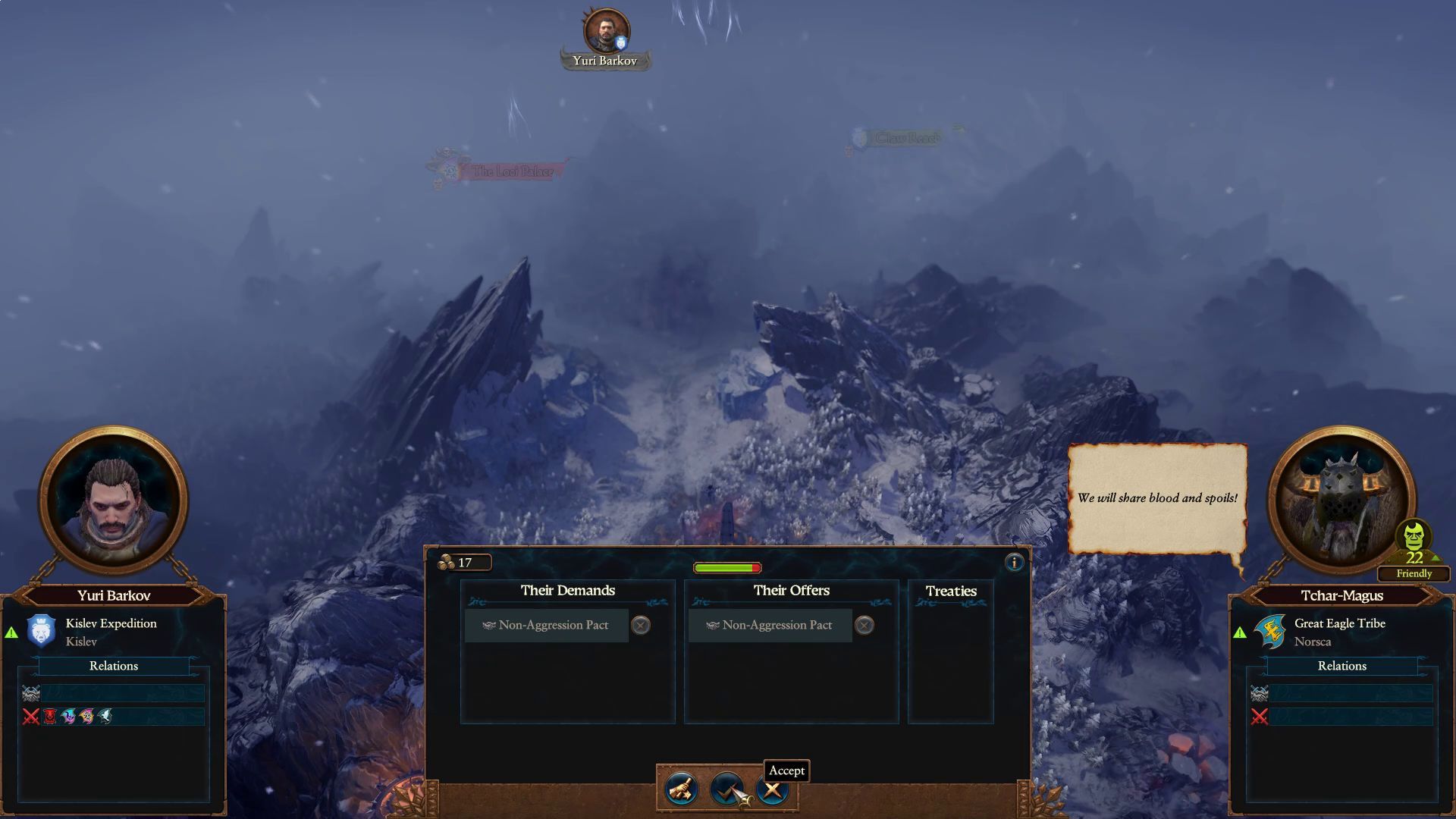
2. Non-Aggression Pacts (NAPs): Establishing NAPs minimizes the risk of sudden military confrontations. This action is particularly useful when you’re planning to expand elsewhere or need to consolidate power, allowing you to focus your military efforts without the fear of backstab from neighbors.
3. Military Access Agreements: Granting military access allows allied factions to move their armies through your territory and vice versa. Use this to your advantage by positioning forces for a surprise attack on a common enemy or to reinforce your allies during crucial battles.
4. Formal Alliances: Forming an alliance enables you to collaborate closely with other factions, coordinating military campaigns and defenses. Such alliances can be essential when facing a powerful adversary, allowing you to divide their attention and resources effectively.
5. War Coordination: Once allied, utilize war coordination features to synchronize attacks on shared foes. This can overwhelm opponents, leading to decisive victories that would be hard to achieve alone.
Manipulation Strategies
Implement the following strategies to enhance your diplomatic manipulation:
1. Build Relationships Early: Begin with trade agreements with neighboring factions. This not only provides immediate economic benefits but also serves as a stepping stone towards more impactful diplomatic interactions. The earlier you establish these relations, the stronger the foundation for future negotiations.
2. Use Non-Aggression Pacts Wisely: As you expand your territory, leverage NAPs with factions that could pose a threat. This not only buys you time but allows you to manage internal affairs or launch campaigns elsewhere without the distraction of multiple fronts.
3. Employ Military Access Strategically: Use military access agreements to position your armies in a way that maximizes tactical advantages. This can be vital in surrounding opponents or providing unexpected reinforcements to allies.
4. Form Alliances with Strategy: Seek alliances with factions whose goals align with yours. Focus on synergistic relationships that allow you to coordinate strategies and share victories. Furthermore, target factions that are already in conflict with your rivals to consolidate power against common enemies.
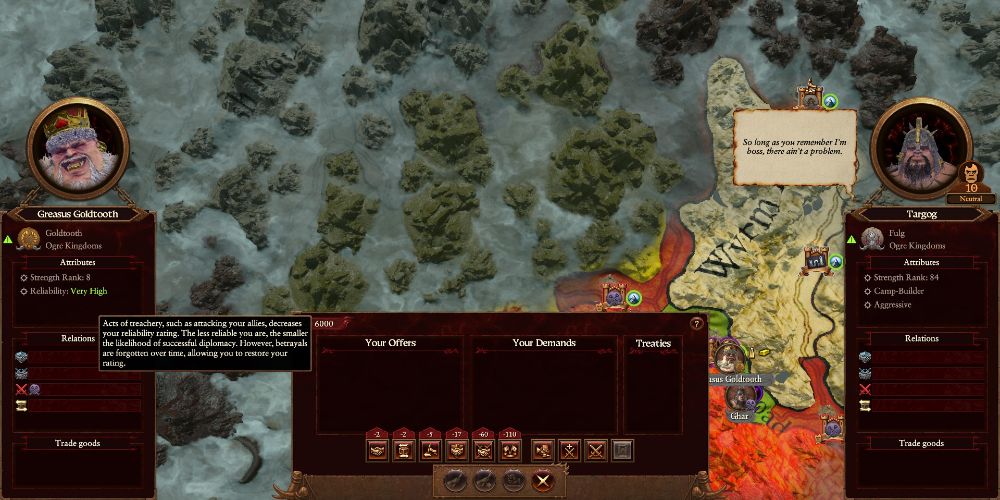
5. Manage Trustworthiness: Always bear in mind that your trustworthiness affects how other factions perceive and interact with you. While threats can serve as negotiation tools, be cautious as they can also damage relationships. Aim for a balance that maintains your negotiating power without irreparably harming your reputation.
6. Monitor Faction Relationships: Keep a close watch on the dynamics between rival factions. Taking advantage of existing animosities by forming alliances with their enemies can redirect aggression and stabilize your position without direct confrontation.
7. Offer Incentives and Payments: Occasionally, monetary offers or gifts can sweeten deals and facilitate diplomatic agreements. Consider using payments to seal essential pacts or to lure factions into alliances they might otherwise reject.
Conclusion
By mastering these diplomatic mechanisms and strategies, you can wield diplomacy not just as a tool, but as a powerful means of manipulating rival factions in Total War: Warhammer III. Focus on building relationships, engaging in strategic negotiations, and carefully monitoring the evolving political landscape to turn potential adversaries into allies, thus enhancing your faction’s chances of achieving dominance in the game.


Leave a Reply