
In “Death’s Door,” players are presented with crucial decisions regarding upgrades that can significantly impact their gameplay experience. Choosing between weapon upgrades and magic improvements can be guided by an understanding of your personal playstyle and the specific challenges of the game. Here’s an elaborate breakdown to assist you in making the best choice for your journey through this captivating title.
1. Playstyle and Combat Needs
Melee Focus:
– If you enjoy engaging enemies up close, prioritize Strength and Dexterity upgrades.
– Strength: This upgrade increases your melee damage and attack range, ultimately reducing the number of hits required to defeat your foes. While it may not drastically shorten the length of battles, it certainly makes them more manageable.
– Dexterity: Investing in Dexterity enhances your weapon speed and the rate at which you can charge attacks. This leads to a more agile and efficient combat style that can be particularly effective against quicker enemies.
– Notably, the Reaper’s Greatsword emerges as the premier weapon for melee enthusiasts due to its combination of high damage output and superior range, making it a desirable choice for players looking to maximize their melee potential.
Magic Focus:
– For those who gravitate towards magical attacks or ranged combat, focusing on upgrading your Magic abilities is pivotal.
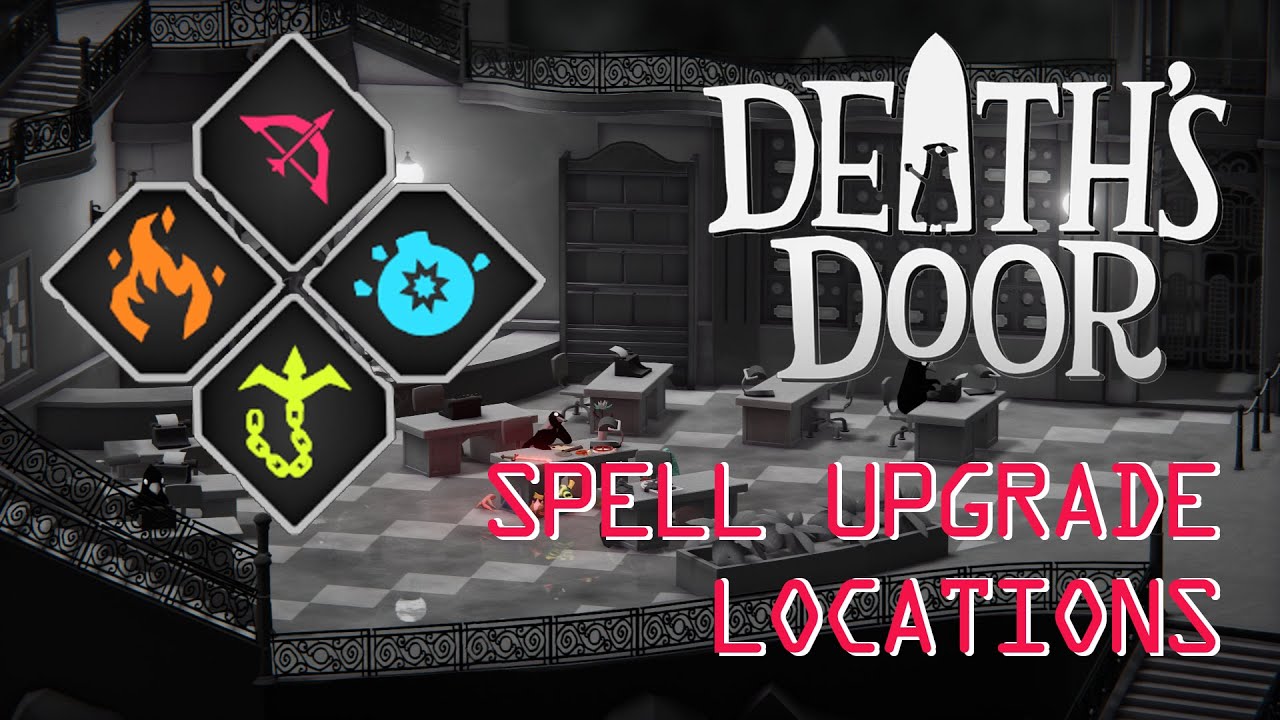
– Magic upgrades yield significant enhancements in damage, particularly when paired with effective spells. One notable example is the Flame spell, which inflicts burning damage over time, allowing you to wear down enemies more swiftly and potentially curtailing how often you need to engage them physically.
2. Strategic Considerations
– Mobility and Defense: Upgrading Agility (Haste) can significantly aid your survival. Improved movement speed and reduced dodge cooldowns can make dodging attacks more reliable, ultimately enhancing your overall resilience in combat scenarios.
– Spell and Weapon Synergy: There’s a strategic advantage in combining upgraded weapons with powerful magic spells. A classic example involves wielding the Reaper’s Greatsword in conjunction with mobility tools like the Hookshot, enabling speedy approaches or escapes while dealing significant damage.
3. Resource Management
– Managing your soul economy is essential, especially early in the game. Souls are limited resources, and the cost of upgrades escalates with each level. Thus, it’s wise to focus your upgrades on areas that best suit your combat style and offer immediate benefits. This careful selection can enhance your effectiveness without draining your resources too quickly.
4. Game Progression
– Early Game: During the first stretch of the game, prioritize upgrades that boost your survivability and immediate damage output. Melee players might benefit from early Strength or Dexterity upgrades, while those focused on ranged combat should enhance their magical capabilities to maximize effectiveness.
– Late Game: As you advance through the challenges, consider diversifying your upgrades. If you began as a melee player, augmenting your magical skills can offer a vital secondary means of attack, allowing for greater flexibility in combat strategies.
5. Experimentation
– Don’t hesitate to experiment with various upgrade combinations. The diversity of “Death’s Door” provides unique encounters where different weapon and spell combinations can shine. For instance, attempting an “umbrella run” where the umbrella serves as a primary weapon may reveal the significant benefits magic can offer in specific scenarios.
Conclusion
By considering these factors—your combat style, strategic needs, resource management, and game progression—you can make more informed decisions about whether to devote your souls to weapon upgrades or magic enhancements in “Death’s Door.” The game encourages experimentation, so feel free to test different paths, discover synergies, and adapt your approach as you delve deeper into the intricacies of this enchanting adventure.


Leave a Reply