
Comprehensive Guide to Managing Seasons and Weather in Farming Simulator 22
Handling the various seasons and weather conditions in Farming Simulator 22 is essential for maximizing your farming productivity and achieving success throughout the game. To effectively navigate this dynamic environment, follow the structured breakdown below.
Understanding Seasons
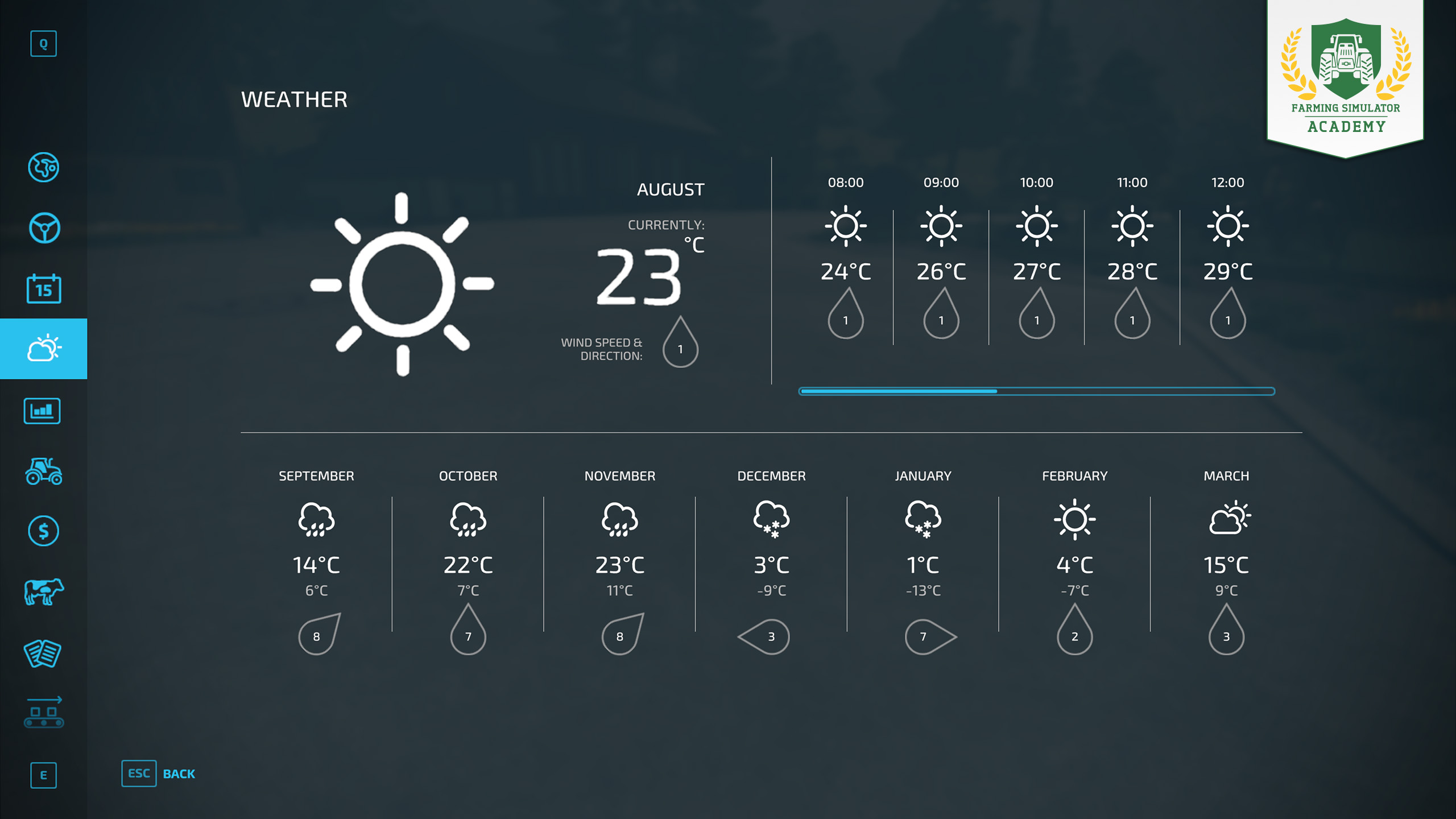
Farming Simulator 22 operates on a seasonal cycle that includes four distinct periods: Summer, Fall, Winter, and Spring, commencing in August, which generally marks the start of Fall.
Seasonal Overview
1. Summer (June, July, August)
– Harvesting: This is an optimal period for harvesting crops that were planted previously, such as wheat, barley, oat, and canola.
– Planting Opportunities: While planting is limited, late Summer allows for planting Canola to ensure a harvest in the following year.
2. Fall (September, October, November)
– Planting: Ideal for sowing crops like wheat and canola.
– Harvesting: Time to harvest corn and soybeans, which are typically ready in this season.
3. Winter (December, January, February)
– Challenges: Cold temperatures and snow create obstacles. Key activities involve ensuring that animal feed is stored and accessible.
– Road Maintenance: Regular plowing of snow is crucial to maintain access routes to your farm.
4. Spring (March, April, May)
– Agricultural Preparation: A perfect season for planting new crops such as sorghum. Farmers should also prepare their fields for the summer season.
Preparing for Seasons
Preparation for Winter:
– Feed Storage: Ensure enough feed for animals; hay for cows and grains for chickens are paramount.
– Greenhouses: Utilize greenhouses for growing crops during the harsh winter months.
– Road Maintenance: Keep pathways clear of snow to ensure accessibility to various parts of your farm.
Preparation for Spring and Summer:
– Planting: Begin planting sorghum in Spring, with options to sow crops like canola in late Summer.
– Harvesting: Focus on harvesting crucial summer crops like wheat and canola.
Managing Weather Conditions
– Rain and Snow: Leverage natural weather conditions — rain can facilitate irrigation, while snow necessitates snow removal to keep operations running smoothly.
– Temperature Monitoring: Keep track of temperatures as crops can be sensitive to extremes; adjust care and timing accordingly.
Optimizing Farming Operations
1. Crop Rotation: Rotate your crops to bolster soil health and improve yields, avoiding nutrient depletion.
2. Equipment Management: Maintain a well-organized equipment inventory to align with seasonal tasks. For example, plows for snow in winter and weeders in spring ensure that all tasks can be performed efficiently.
3. Market Analysis: Regularly assess market conditions and timing to sell your harvested crops at peak prices, maximizing profitability.
Seasonal Growth and Cycles
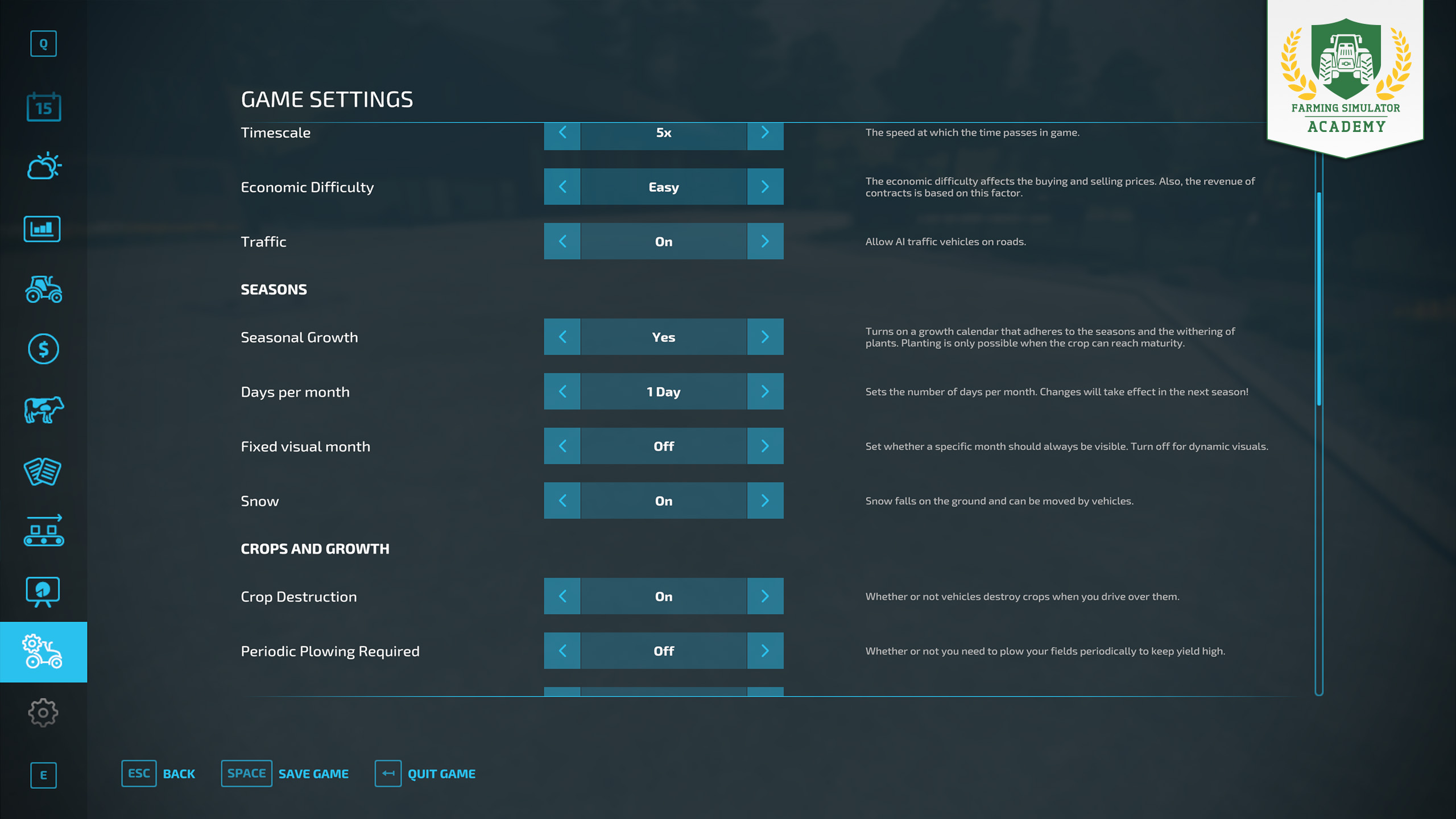
– Realistic Growth Mechanism: Seasonal Growth features allow crops to grow in sync with realistic weather patterns. However, this can be toggled off for players who prefer a less restrictive farming schedule.
– Strategic Planning: To remain efficient, always plan your cropping and farming cycles based on seasonal needs—harvesting crops should be completed before winter sets in, and new crops should be sown promptly in spring.
Conclusion
By employing these strategies, players can optimize their farming experience through diligent management of the seasonal cycles and weather patterns found in Farming Simulator 22. Planning, preparation, and operational efficiency will empower you to create a thriving, productive farm year-round. Remember to adapt your strategies according to what works best for your unique farming setup and goals. Happy farming!



Leave a Reply