
In Pathfinder: Wrath of the Righteous, maximizing your party’s combat effectiveness hinges on a deep understanding of your companions’ strengths and how they align with your own character’s abilities. Here’s an in-depth guide to help you build a synergistic team for battle that optimally complements your playstyle.
Understanding Companion Roles
Each companion in Wrath of the Righteous brings a distinctive race, class, and special abilities which define their role within your party. Grasping these roles is essential for assigning them tasks that leverage their strengths and cover your character’s weaknesses.
Key Companion Types and Their Strengths:
1. Tank/Melee Frontliner:
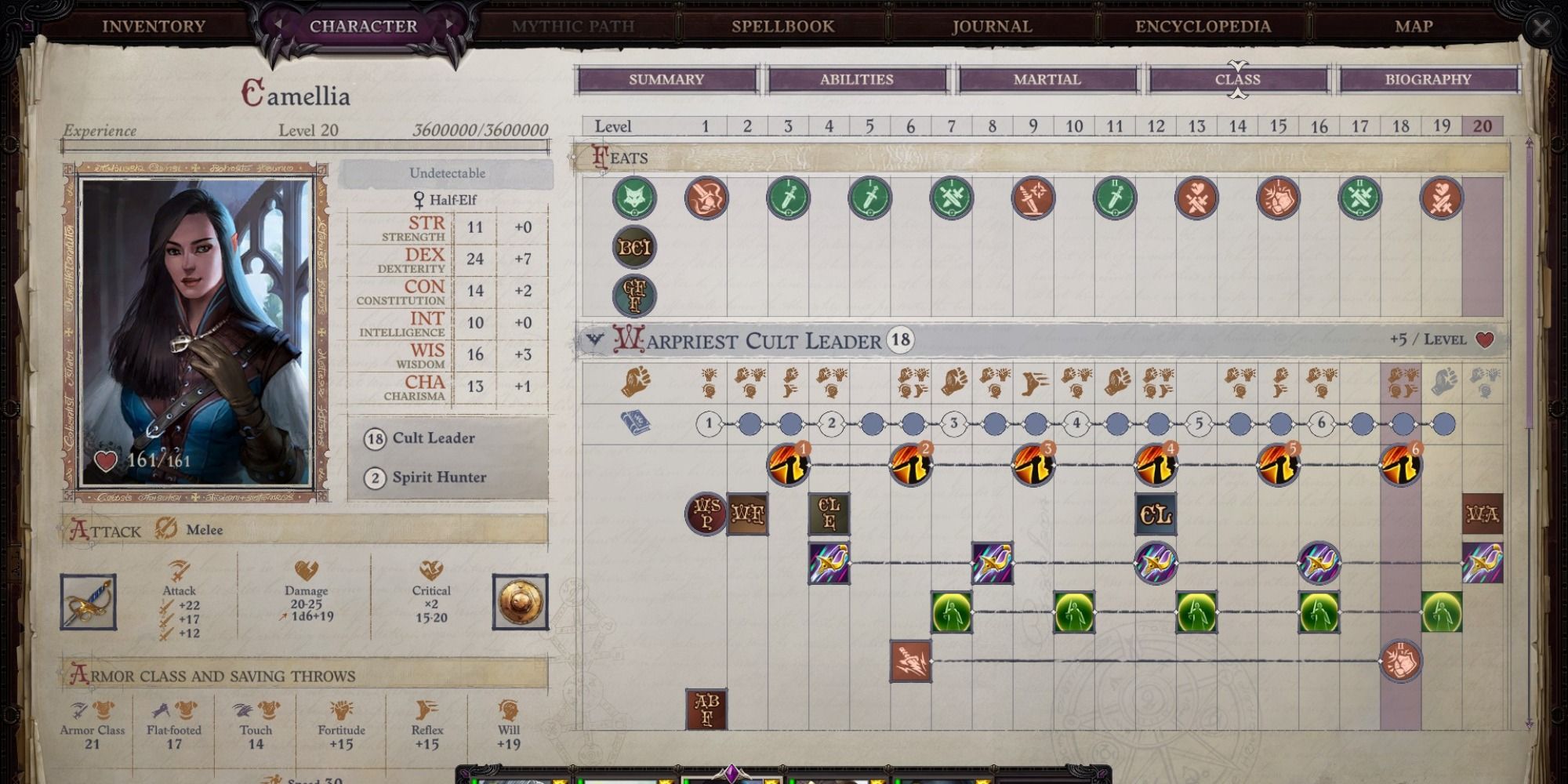
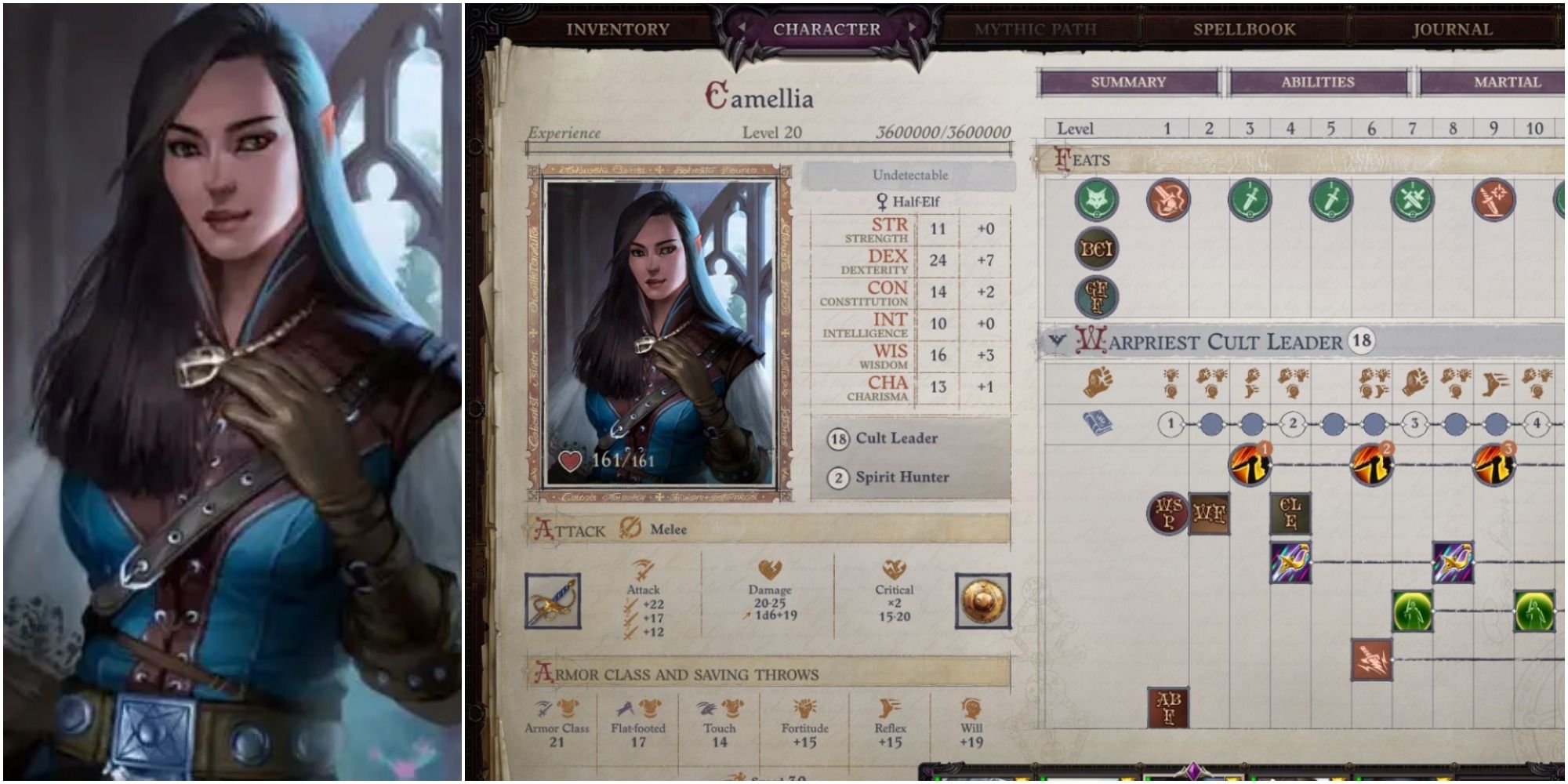
– Examples: Seelah (Paladin), Camellia (Shaman)
– Strengths: High hit points, damage mitigation abilities, and protective skills. For instance, Seelah can use her “Mark of Justice” to maximize burst damage against key foes.
2. Ranged Damage Dealers:
– Examples: Lann (Zen Archer Monk), Wenduag (Martial Ranger)
– Strengths: Capable of dealing consistent damage from a distance. They can provide cover and assist melee characters during ranged attacks.
3. Support Casters:
– Examples: Ember (Witch), Nenio (Wizard)
– Strengths: Control the battlefield through crowd control spells, buffs, and debuffs, ensuring your party remains effective while hampering enemy actions.
4. Healers:
– Example: Daeran (Oracle)
– Strengths: Essential to party survival, these companions keep the team healthy and resilient during prolonged battles.
5. Animal Companions:
– Found with classes like Hunter or Ranger, these companions provide additional melee options and can help flank enemies.
6. Hybrid or Utility Characters:
– Example: Woljif (Rogue/Eldritch Scoundrel)
– Strengths: Offer a mix of high damage, stealth capabilities, and utility skills for traps or stealth operations.
Building a Complementary Party
When forming your party, consider your main character’s strengths and select companions that cover any deficiencies:
– If Your Character is a Melee Bruiser: Include ranged attackers and support casters to weaken enemies and control the battlefield from a distance.
– If Your Character is a Spellcaster: Opt for Tanks and melee front-liners to protect you while you cast spells, potentially incorporating an animal companion for additional defensive capabilities.
– If Your Character is a Support or Healer: Balance your party with damage dealers to ensure efficient extermination of foes.
Tactical Use of Companion Abilities
1. Burst Damage: Utilize abilities like Seelah’s “Mark of Justice” to coordinate attacks on priority targets, enabling high damage per turn against key foes.
2. Crowd Control: Deploy spells from casters at the start of battles to hinder enemy movement and actions, utilizing area effects such as “Web” or “Grease” for optimal control.
3. Animal Companions: Leverage their ability to flank enemies, thus boosting your melee characters’ effectiveness through better hit chances or sneak attack bonuses.
4. Buffing and Debuffing: Preceding tough encounters, use abilities that enhance your team’s combat capabilities or weaken opponents using spells to diminish enemy effectiveness.
5. Support Actions: Assign companions to bolster morale through performance abilities or spells that provide competence bonuses, improving your team’s overall output in battle.
Customization and Recruitment
Beyond narrative-driven companions, players can recruit custom adventurers through Hilor at the war camp. Custom companions enable you to fill any role that your party lacks, ensuring a versatile and well-rounded composition. Keep in mind that mythic class choices like Lich can also provide unique undead companions with specialized skills.
Example: Synergistic Party Setup
| Main Character Role | Recommended Companion Roles | Example Companions |
|———————|——————————|———————————–|
| Melee Bruiser | Ranged Damage, Support, Healer| Lann, Ember, Daeran |
| Arcane Spellcaster | Tank, Melee, Animal Companion | Seelah, Camellia, Wenduag |
| Divine Healer | Melee, Ranged, Crowd Control | Seelah, Lann, Nenio |
| Ranged DPS | Tank, Support, Crowd Control | Seelah, Daeran, Nenio |
Final Tips
– Positioning is Key: Ensure tanks are frontline while casters and ranged attackers remain strategically placed behind them.
– Engage Companion Quests: Completing their quests not only strengthens their combat capabilities but deepens the story.
– Rotate Companions: Adjust your active team based on upcoming challenges to maintain versatility.
– Experiment with Builds: Take advantage of opportunity to respec companions to optimize their classes and abilities in line with your overall strategy.
By thoughtfully integrating the skills and abilities of your companions into your overarching strategy, you ensure not only that your main character’s weaknesses are effectively covered but also that your party maximizes its strengths to tackle the myriad of challenges in Pathfinder: Wrath of the Righteous.



Leave a Reply