
Pathfinder: Wrath of the Righteous – A Comprehensive Guide on Decision-Making and Their Consequences
Pathfinder: Wrath of the Righteous provides players with an intricate narrative that deeply intertwines choices with the game’s outcomes. Understanding how major decisions impact the storyline can significantly enhance your gaming experience. Below, we explore the key decision points, their repercussions, and offer tips for effectively navigating this rich narrative landscape.
Key Decision Points and Their Effects
Mythic Paths and Alignment Choices
1. Mythic Path Selection:
– Early in the game, selecting a Mythic Path such as Angel, Demon, Lich, or Azata will shape your character’s supernatural transformations, unlocking unique abilities, quests, and potentially leading to different endings. This choice also influences the companions you meet and the quests you can undertake.
2. Alignment Shifts:
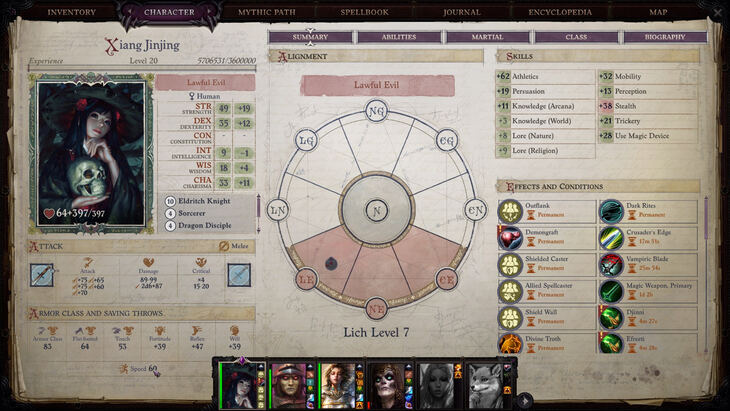
– Your character’s alignment is not static. It can evolve based on your choices throughout the game, affecting how NPCs respond to you and which companions remain loyal. Some choices may even restrict you from pursuing specific Mythic Paths or quests.
Main Story and Companion Quests
1. Dialogue Choices:
– Throughout main story quests and companion interactions, significant dialogue prompts often lead to branching paths. Highlighted options in dialogue may directly change future scenes or outcomes.
2. Companion Interactions:
– Decisions made during companion quests can lead to varied scenarios: companions may grow closer to you, leave, or even betray you based on how you handle their personal stories. For example, siding with or against a companion during their quests can drastically affect their loyalty and relationship dynamics.
3. Who Lives and Who Dies:
– Major encounters often present pivotal choices regarding the fate of various characters. Sparing or eliminating individuals can alter not just immediate effects, but also long-term story arcs and available quests.
Crusade Mode Decisions
1. Army and Resource Management:
– Decisions in Crusade Mode, such as building structures, recruiting units, and diplomatic choices, greatly influence your military strength and overall campaign success. These choices also unlock certain game events and endings.
2. Strategic Choices:
– During significant battles, the decision to fight aggressively, defend, or retreat can change the morale of your forces and result in varying degrees of losses and upgrades.
3. Event Responses:
– Randomly occurring events in Crusade Mode often present moral dilemmas that can impact your reputation with factions, troop morale, and may even trigger new quests or endings based on your responses.
Examples of Major Decision Points
1. Showing the Light of Heaven:
– Early in the game, this choice influences companion loyalty and potentially opens unique dialogues and quests.
2. The Leper’s Smile Choices:
– Decisions made during this event regarding resource management and interaction with companions impact your standing with the queen and overall morale of your forces.
3. Faction Disputes:
– Aligning with a specific faction in disputes can lock you out of quests tied to the opposing faction, influencing story progression and available rewards.
4. Final Mythic Path Decisions:
– In the climactic moments of the game, prior choices and the chosen Mythic Path will dictate which endings are accessible, shaping the ultimate fate of your character and the game world.
How Decisions Affect Endings
1. Multiple Endings:
– The game culminates in various endings that are determined by your Mythic Path, alignment, key decisions throughout the game, and the loyalty of your companions.
2. Ending Slides:
– After completing the game, players are presented with ending slides outlining the fates of their character, companions, and the world, all tied to the decisions made during gameplay.
3. Achievements and Secrets:
– Certain achievements are unlocked through specific decision-making, including completing the game under unique conditions or achieving certain narrative outcomes.
Tips for Shaping Your Story
1. Save Frequently:
– Before pivotal decisions, ensure you save your game. This allows experimentation with different choices without losing progress.
2. Pay Attention to Dialogue:
– Subtle dialogue options can lead to significant consequences, so be mindful of the implications of your words.
3. Experiment with Alignment and Mythic Path:
– Replaying the game with different Mythic Paths and alignments can provide insights into the breadth of narrative possibilities.
4. Complete Companion Quests:
– Engaging fully with companion stories is essential for maintaining their loyalty and unlocking additional outcomes.
5. Manage Crusade Mode:
– Effective resource management and maintaining troop morale in Crusade Mode are key to navigating the campaign successfully and attaining optimal endings.
In conclusion, the depth and complexity of decision-making in Pathfinder: Wrath of the Righteous allows players to mold their journey in profound ways. By understanding the implications of choices and employing strategic thinking, you can guide your story towards a satisfying conclusion tailored to your unique playstyle and values.

Leave a Reply