
Crusade Management in Pathfinder: Wrath of the Righteous
Successfully navigating the Crusade Management system in Pathfinder: Wrath of the Righteous is essential for leading your forces to victory against overwhelming demonic foes. Below are detailed strategies to enhance your management and execution of crusade tactics.
1. Unit Stacking and Recruitment
– Stacking Units: To maximize damage during engagements, carefully stack your units. High-damage units like archers can be recruited in considerable numbers, enabling significant stacking which greatly amplifies damage output.
– Unit Types: Prioritize recruitment of common units such as archers and footmen rather than expensive mercenaries or mythic units, as the latter are limited in quantity. The large-scale recruitment of basic units enhances battlefield strength through sheer numbers.
2. Army Management
– Army Splitting: Efficiently split your units into multiple armies. This strategic division allows for simultaneous operations, like launching an attack on a city while maintaining a defensive stance elsewhere.
– Movement Points: Careful management of movement points is crucial. Utilize roads for efficient travel and scout for blocked paths caused by enemy forts to avoid unnecessary delays.
3. Infirmary Management
– Infirmary Size: Keep a close watch on the capacity of your infirmary. If it reaches full capacity, you will miss out on recovering lost units after battles. Managing this aspect ensures your forces can be restored to strength post-conflict.
– Infirmary Tips: Balance the number of injured units with your infirmary’s recovery capacity. This will ensure you recover as many units as possible during downtime between battles.
4. Generals and Unit Commands
– General Types: Different types of generals serve distinct roles that can enhance your strategy:
– Mage Generals: Excellent for direct damage and providing healing support. They scale effectively with experience.
– Hunter Generals: Focus on low-cost, aggressive strategies and traps to deal damage efficiently.
– Knight Generals: Ideal for adopting strong defensive positions and formations.
– General Limitations: Be aware that generals can only oversee up to 7 units efficiently with the Master of Maneuvers feats, and they can only act on their turn if they’ve maintained initiative.
5. Building and Unit Enhancements
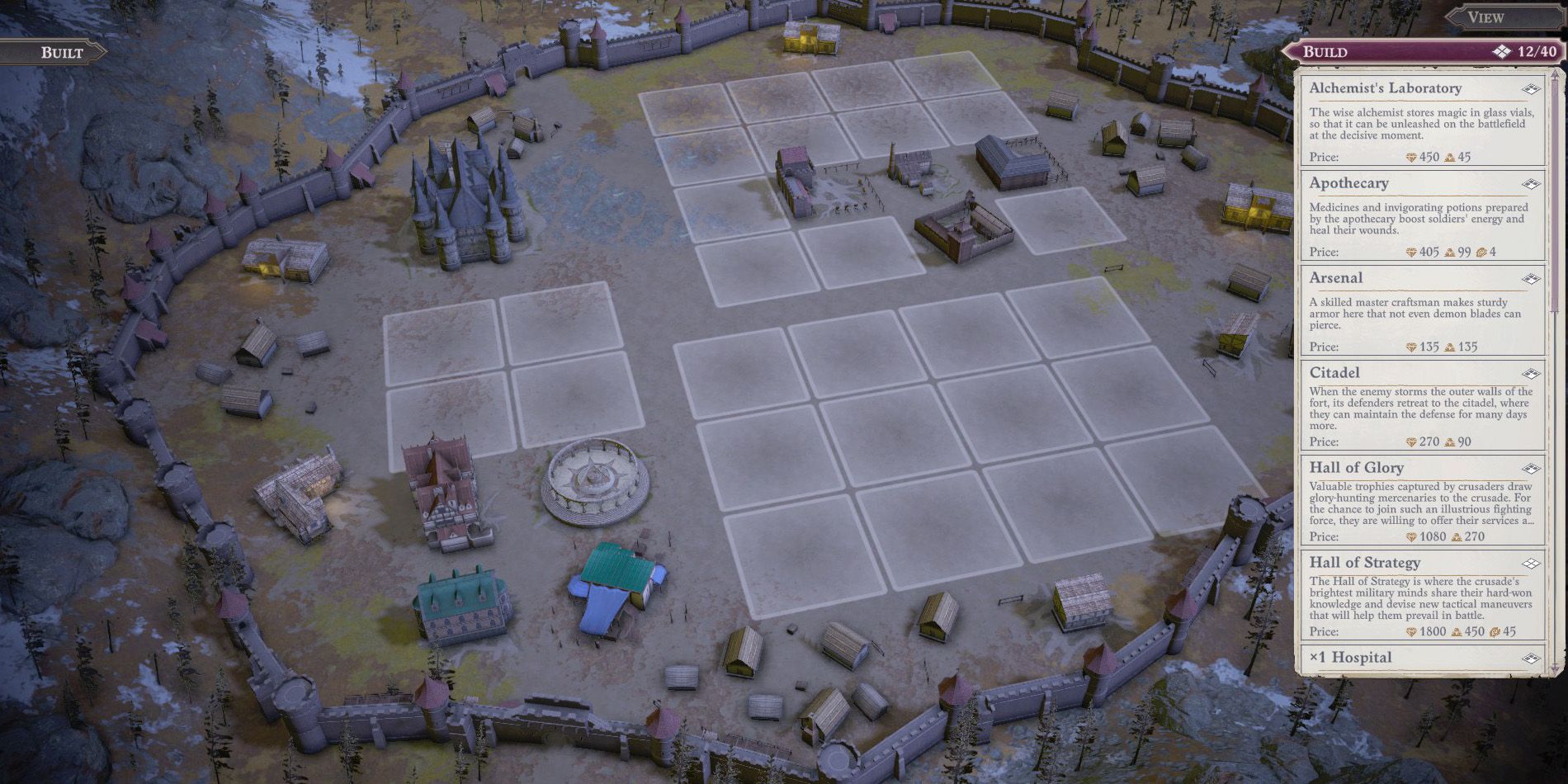
– Building Upgrades: Invest in buildings that enhance unit power. These enhancements can be categorized into regional buildings, mercenary enhancements, and upgrades relevant to trained units under a general’s command.
– Unit Upgrades: Focus on upgrading forts to gain access to a wider variety of building types. This diversification boosts your army’s overall power and versatility on the battlefield.
6. Auto Mode
– Caution with Auto Mode: While the Auto Mode can streamline your management tasks, it is important to use it judiciously. Activating Auto Mode is irreversible and could potentially prevent the completion of certain quests or affect the game’s endings.
7. Tactical Engagements
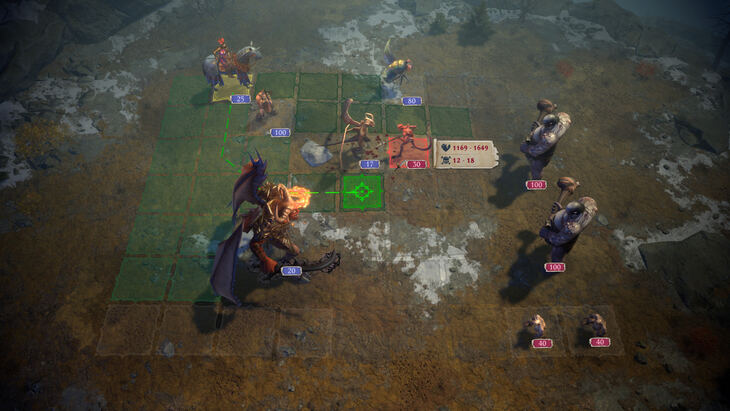
– Battle Strategy: Leverage the environment during engagements. Use formations strategically to counter enemy strengths and exploit their weaknesses. Take time before battles to assess both your and the enemy’s capabilities.
8. Mission Objectives
– Crusade Missions: Pay attention to specific missions available after ranks 3, 5, and 6. These tasks often involve the defeat of newly spawned demon armies and should be prioritized to maintain momentum in your crusade.
By incorporating these strategies into your gameplay, you can enhance your Crusade Management skills in Pathfinder: Wrath of the Righteous, setting the stage for a successful campaign against the demonic invaders. With careful planning and execution, you will lead your forces to glorious victories!


Leave a Reply