
Managing Mythic Paths in Pathfinder: Wrath of the Righteous
Managing mythic paths effectively in Pathfinder: Wrath of the Righteous is essential for optimizing character effectiveness and enhancing the overall story experience. Here’s a comprehensive guide to help you navigate mythic paths, their abilities, and strategies for maximizing their potential.
—
Overview of Mythic Paths
In Pathfinder: Wrath of the Righteous, players have the opportunity to select from 10 mythic paths, each providing unique abilities and influencing the storyline. Here’s a breakdown of how mythic rank progression works:
– Mythic Ranks 1-2: You’re recognized as a “Mythic Hero” with flexibility and no commitment to any specific path.
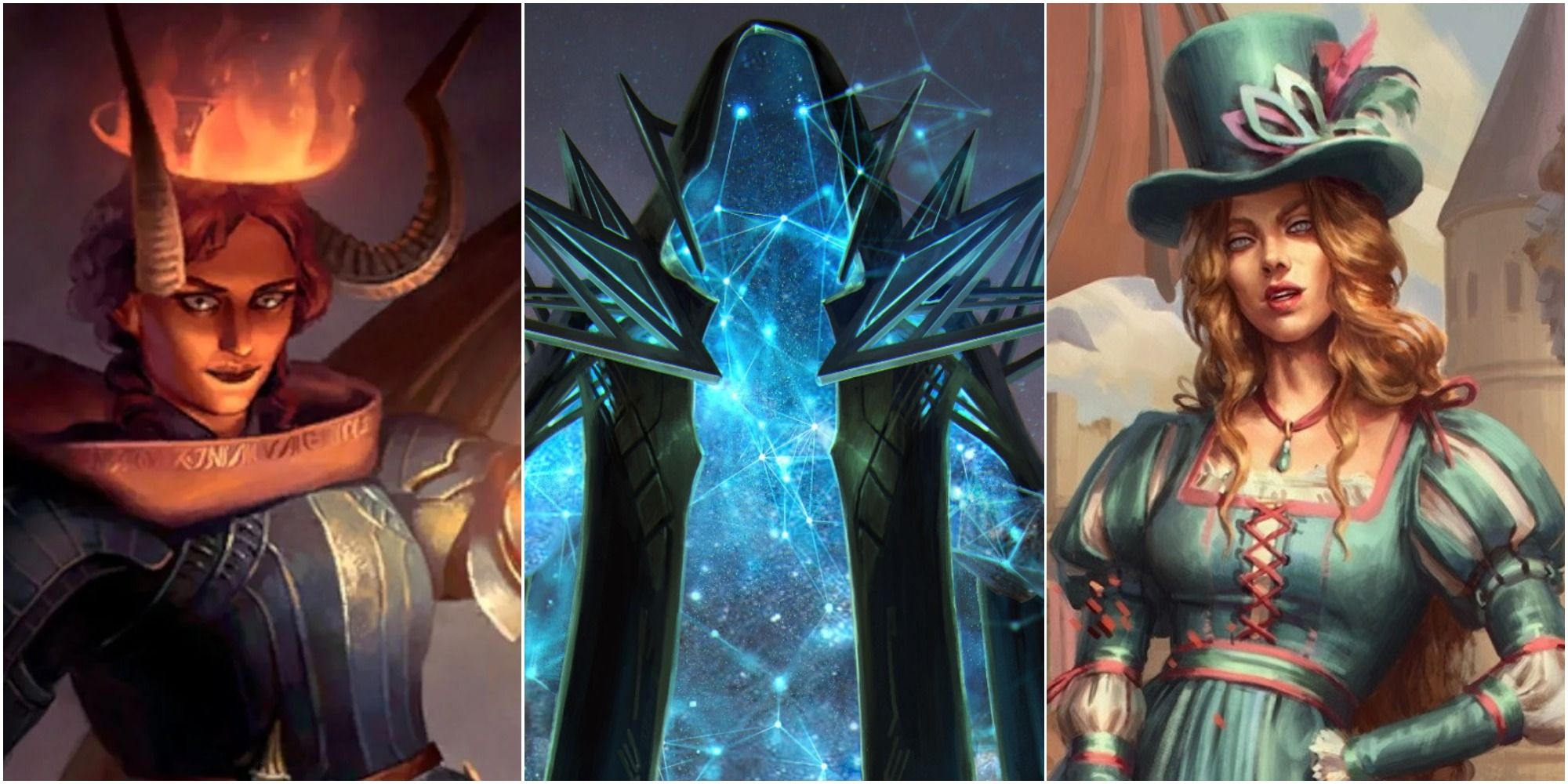
– Mythic Rank 3: It’s time to choose a mythic path which will shape your character’s development. Early paths include Aeon, Angel, Azata, Demon, Lich, and Trickster, with later paths such as Legend, Swarm-That-Walks, Devil, and Gold Dragon unlocking through specific quests or story decisions.
—
Strategies for Choosing and Managing Mythic Paths
1. Align Your Path with Character Build
– Angel: Ideal for lawful good or neutral good characters focusing on divine spellcasting and support, particularly effective for clerics/paladins.
– Demon: Suited for chaotic or neutral evil characters leveraging melee abilities, excellent for barbarians or intimidation-based fighters.
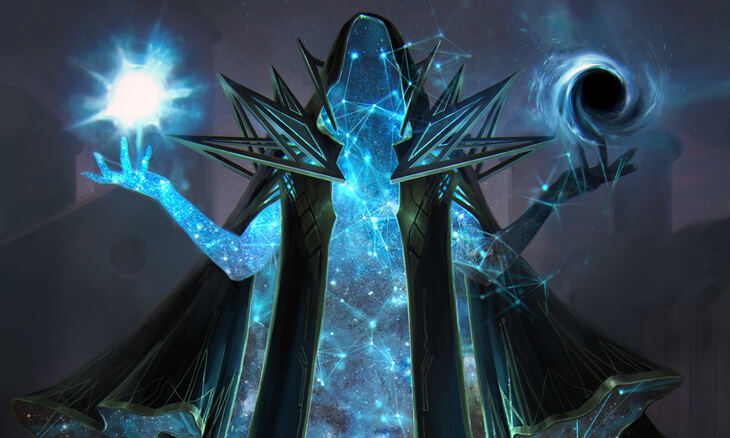
– Aeon: Best for lawful neutral characters wanting to play support roles, ideal for manipulating time as well as buffing allies and debuffing enemies.
– Azata: Recommended for chaotic good characters, especially those who prefer spellcasting or utilize animal companions and strong crowd-control magic.
– Trickster: Perfect for those who enjoy a chaotic playstyle with an emphasis on luck, stealth, and unconventional combat methods.
– Lich: Appeals to necromancer or arcane-focused players aiming for powerful spells and undead minions.
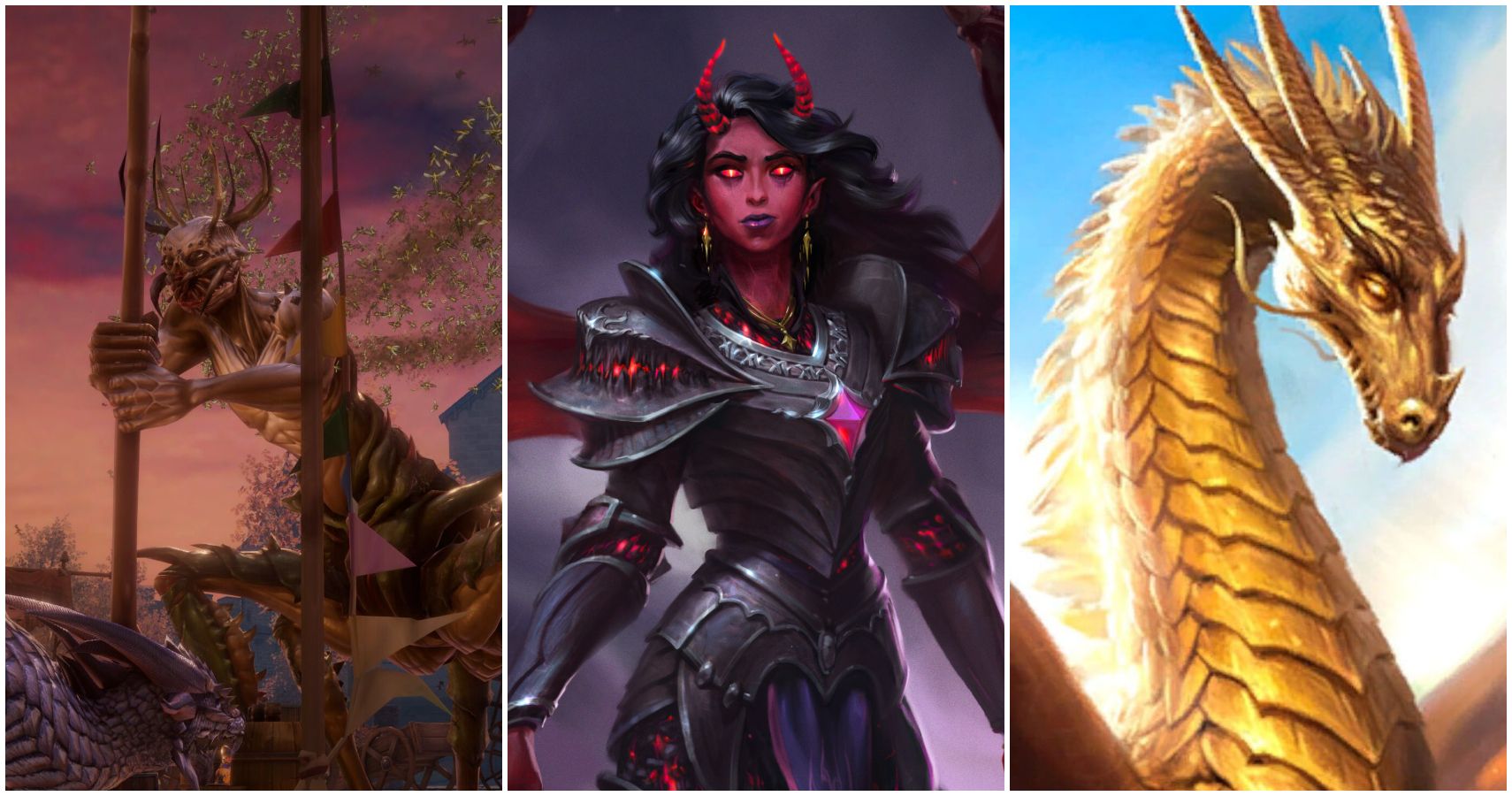
– Later Paths: Paths like Legend allow you to trade mythic powers for significant stat boosts. Choices like Swarm-That-Walks and Gold Dragon grant unique transformations and story arcs but require completing specific prerequisites.
2. Maximize Abilities and Synergy
– Read Path Descriptions Carefully: Each path provides specific abilities at different mythic ranks, so plan your character’s growth around these milestones.
– Synergize with Class Abilities: Choose paths that complement your class. For instance, Lich abilities work hand in hand with necromancer builds, while Angel enhances divine spellcasters.
– Balance Offense and Support: Assess your team composition and playstyle. While paths like Aeon and Angel are heavy on support, Demon and Lich focus on offense.
3. Avoid Locking Out Desired Paths
– Early Decisions Matter: Certain paths have prerequisites that must be met in the early acts (like taking specific actions or making certain choices).
– Alignment and Dialogue Choices: Align your character’s decisions with those of your desired mythic path; for example, the Demon path requires choices that embrace demonic themes.
– Document Key Decisions: Keep thorough notes or use guides to track your choices and their impact on unlocking mythic paths.
4. Manage Path Progression
– Mythic Hero Utilization: Use the first two levels to explore potential directions for your character.
– Commitment at Rank 3: Before selecting your path at rank 3, research how each path evolves and the abilities you’ll get at higher ranks.
– Evaluate Mythic Abilities: Consider your playstyle—some abilities are passive while others are more situational.
5. Plan for Late-Game Paths
– Legend Path: This requires relinquishing mythic powers but offers unparalleled base stats, ideal for martial-focused characters.
– Swarm-That-Walks, Devil, Gold Dragon: These involve unique questlines and requirements; ensure you are aware of what actions you need to take to access them.
—
Key Tips
– Replayability: To fully experience each mythic path, multiple playthroughs are essential as each one provides a distinctive story and unique companion interactions.
– Save Often: Make use of multiple save slots to experiment with choices, especially before pivotal decisions that could lock you out of certain paths.
– Resource Guides: Engage with community resources like wikis or video guides for detailed insights on maximizing each mythic path.
—
Summary Table: Major Mythic Paths and Their Key Features
| Mythic Path | Typical Alignment | Key Features | Best For |
|———————|——————|—————————————————|————————-|
| Angel | Lawful Good | Divine spells, healing, buffs | Clerics, Paladins |
| Demon | Chaotic/Neutral Evil | Melee buffs, rage, transformation | Barbarians, Melee |
| Aeon | Lawful Neutral | Time manipulation, buffs, debuffs | Support, Controllers |
| Azata | Chaotic Good | Animal companions, crowd control, buffs | Spellcasters, Druids |
| Trickster | Chaotic Neutral/Evil/Good | Luck, stealth, unconventional combat | Rogues, Unpredictable |
| Lich | Lawful/Neutral Evil | Necromancy, undead minions, arcane spells | Necromancers, Arcanists |
| Legend | Any | Remove mythic powers, massive stat boosts | Power gamers, Martials |
| Swarm-That-Walks| Evil | Swarm transformation, party devouring | Unique, Challenging |
| Devil | Lawful Evil | Contract powers, late-game transformation | Aeon/Azata switchers |
| Gold Dragon | Good | Redemption, powerful dragon form | Redeemers, Unique |
By thoughtfully selecting and managing your mythic path, you can significantly enhance your character’s abilities and enjoy a richer, more nuanced journey through Pathfinder: Wrath of the Righteous.


Leave a Reply