
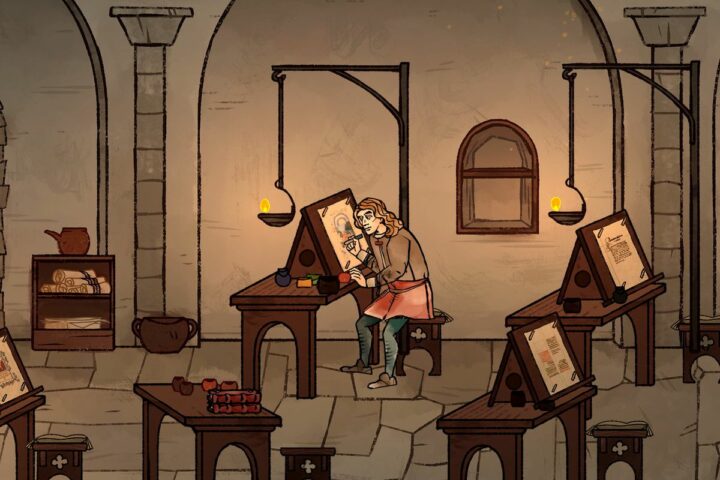
In Pentiment, you step into the shoes of Andreas Maler, a 16th-century artist navigating a gripping murder mystery that unfolds within a richly detailed historical context. While the gameplay doesn’t provide traditional tools for a detective, the character’s artistic background plays a pivotal role in how players engage with the story.
Artistic Observation
Observation and Deduction: Andreas’s training as an artist equips him with keen observational skills. Players must immerse themselves in the environment, paying careful attention to nuances in the visuals, character interactions, and dialogue. This meticulous observation allows for a deeper understanding of the narrative, enabling players to piece together clues from visual cues, behavioral patterns, and the context of conversations. The more you observe, the more insights you can glean about the unfolding events and the motivations of various characters.
Interactive Storytelling
Interactions and Choices: The heart of Pentiment lies in its narrative-driven gameplay, where player choices significantly shape the storyline. Engaging with various characters presents opportunities to unlock vital information and perspectives on the mystery. Your decisions can influence how relationships develop and ultimately affect the outcomes of the plot. This element of choice not only deepens engagement but also reinforces the importance of your role as an artist, using your judgment and intuition to explore the web of intrigue surrounding the murders.
Artistic Representation
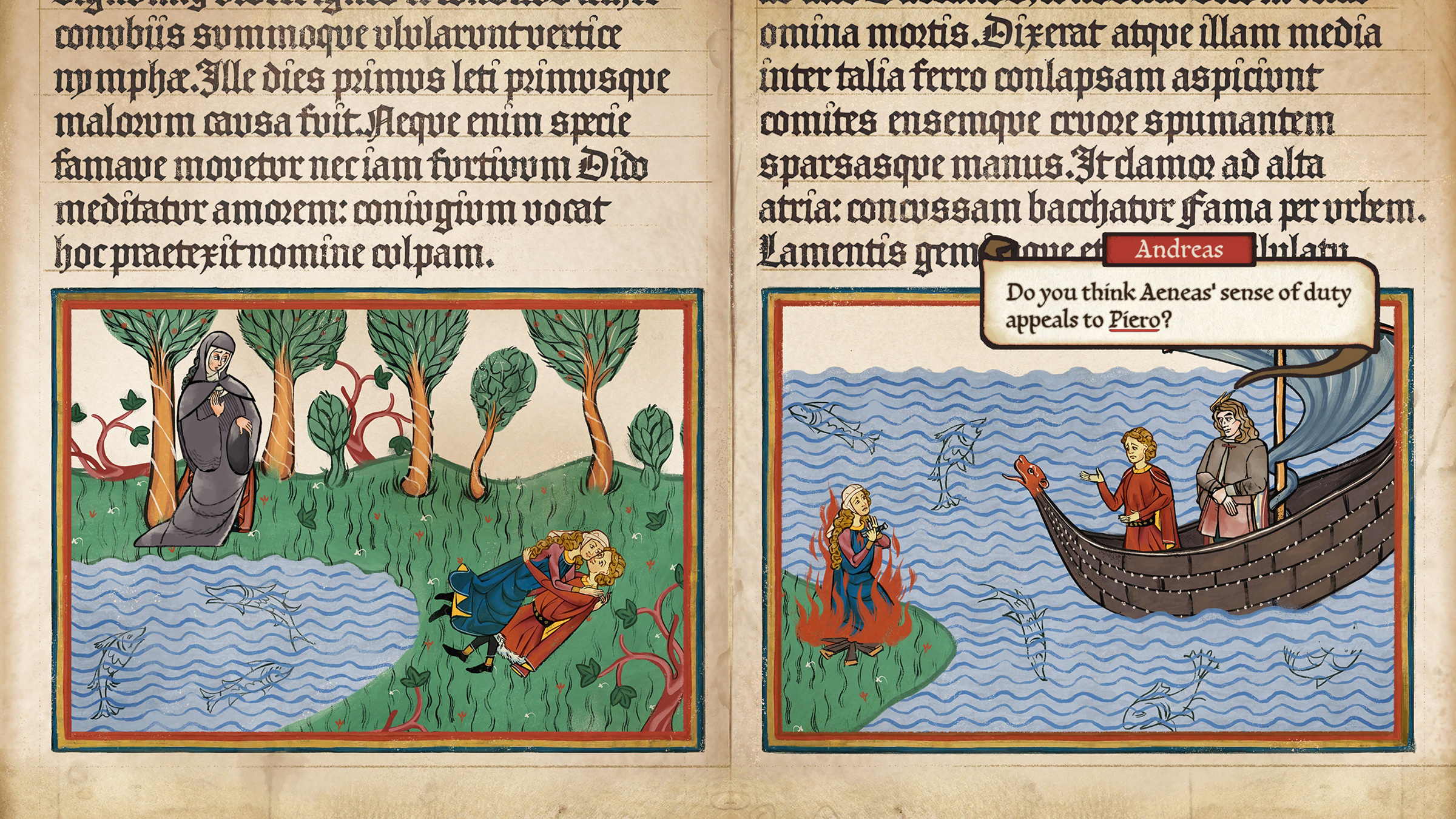
Artistic Style and Presentation: The unique art style of Pentiment, reminiscent of medieval manuscripts, enhances the experience and draws players into the historical setting. While the presentation itself does not serve as a direct investigative tool, it reinforces the atmosphere, allowing players to feel as though they are truly part of the era. This aesthetic immersion encourages players to be more attuned to the environment around them, enriching the overall narrative experience.
Using Artistic Skills Indirectly
Though the game lacks explicit investigative mechanisms typical of a detective genre, Andreas’s artistic skills inform your approach to unraveling the story:
– Attention to Detail: An artist’s eye for subtle details aids in understanding environmental cues and the dynamics among characters. Recognizing these intricacies can lead to significant insights into their motivations and relationships.
– Interpreting Expressions and Behavior: Mastery of visual arts translates to an ability to perceive and interpret the nuanced expressions and body language of characters. This understanding can be crucial in detecting lies, discovering hidden motives, or unraveling parts of the mystery that are not explicitly stated.
Conclusion
In Pentiment, your artistic capabilities impact your engagement with the narrative rather than serving as direct tools for investigation. By applying your character’s observational prowess and leveraging the game’s interactive storytelling, you can unveil critical clues and navigate the complexities of the story. The interplay between art, narrative choice, and environmental detail makes your journey through this historical mystery both engaging and thought-provoking. By staying observant and making deliberate decisions, you enrich your experience and enhance your role as both an artist and a detective in this mesmerizing tale.



Leave a Reply