
In “Pentiment,” the interplay between player choices and narrative progression creates a profoundly immersive experience that is both engaging and complex. The game intricately weaves player actions into the fabric of its 25-year narrative arc, with far-reaching consequences that extend beyond immediate interactions. Below is a detailed overview of how your decisions impact the storytelling and character dynamics in the game.
Impact on Story
1. Temporal Consequences:
The game’s unique structure allows players to explore how their decisions echo through time. Over a span of 25 years, players witness the evolution of the narrative, as earlier choices affect later outcomes. This temporal depth enhances the immersion, as players must consider the long-term ramifications of their actions, ensuring that every decision invites a layer of strategic thought and foresight.
2. Crime Investigations:
As Andreas, players engage in investigative storytelling, where the burden of proof is low compared to modern standards. This allows for a more nuanced exploration of morality and justice. Players’ accusations carry weight; those wrongly blamed can influence future narratives, leading to shifts in community perception and further complicating subsequent investigations. The memory of past accusations influences interactions, fostering a sense of continuity and realism within the game world.
Impact on Character Relationships
1. Reputation and Trust:
The social fabric of the game’s community is woven tightly with the player’s choices. Decisions that lead to the accusation of a character can result in their social isolation or provoke community approval, depending on the context of the crime and community sentiment. This dynamic means that characters may react differently in future interactions, shaping the narrative landscape based on earned or eroded trust.
2. Interpersonal Dynamics:
Relationships in “Pentiment” are not static; they shift based on player actions. Accusations can sow seeds of resentment, creating rifts between characters and their allies. Conversely, supporting individuals can forge strong alliances, enriching the interpersonal narrative. Each choice can lead to divergent pathways—betrayal or camaraderie—that alter future plot developments and character arcs.
3. Backstory and Personality Influence:
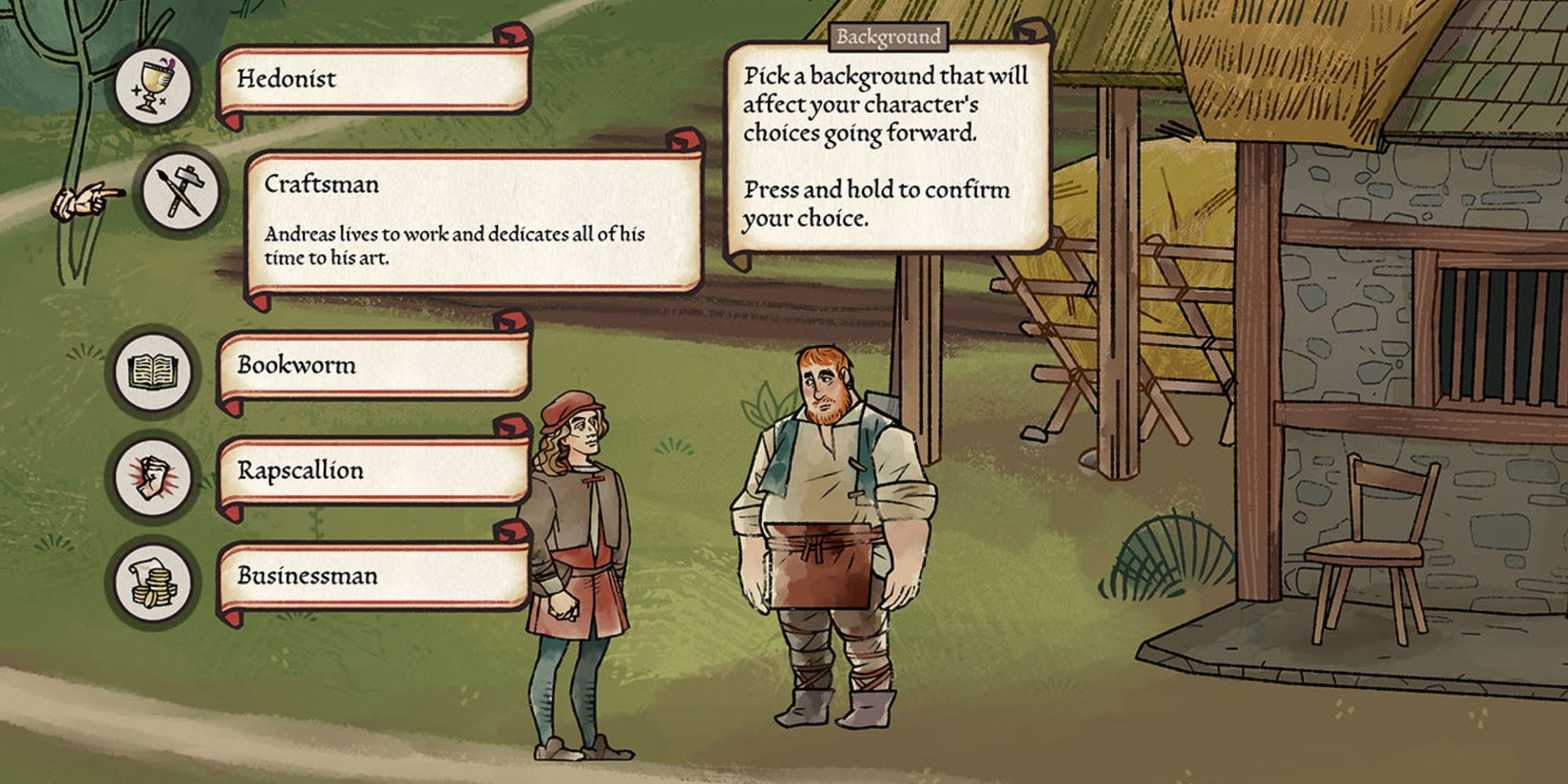
Upon starting the game, players choose a background and personality traits that inform their interaction style. These choices can affect various gameplay elements, such as persuasion attempts during investigations or character dialogue options. This personalization allows for a unique gameplay experience where the player’s chosen traits directly impact how they navigate the story and solve crimes, enhancing engagement with both the narrative and character development.
Overall Narrative Engagement
– Player Agency:
“Pentiment” champions player agency, empowering individuals to make decisions guided by intuition and investigative instincts rather than being confined to a prescribed narrative path. This level of freedom fosters a deep emotional investment in the story, as players grapple with the outcomes of their choices, thereby enhancing their connection to the game world.
– No ‘Right’ Answers:
The absence of clear ‘right’ or ‘wrong’ choices invites players to explore moral ambiguity, making each decision a personal reflection of their values and beliefs. This lack of dichotomy cultivates a richer experience, encouraging players to weigh their instincts against the consequences, thus deepening their engagement with the game’s moral complexity.
In conclusion, “Pentiment” offers an intricate and dynamic storytelling experience where player choices resonate throughout the narrative and shape character relationships. The game encourages mindful engagement, challenging players to navigate a world rich with consequence and moral ambiguity, ultimately delivering a uniquely personal and impactful journey.
.jpg)
Leave a Reply