
In Pentiment, the intricate tapestry of character conflicts and resolutions forms a core component of the gameplay, allowing players to navigate the complex social dynamics of a village steeped in intrigue. The game’s multifaceted approach to conflict resolution is crafted through a range of systems and strategies that highlight the importance of player choice. Here’s a closer look at the mechanisms and strategies for resolving conflicts within the game:
Conflict Resolution Mechanisms
1. Dialogue System:
The heart of Pentiment’s conflict resolution lies in its robust dialogue system. Players engage in conversations that can branch into numerous directions based on their responses. Each choice weighs heavily on the narrative, with some responses capable of inflaming tensions or fostering understanding between characters. This duality allows for a rich exploration of interpersonal relationships.
2. Persuasion and Influence:
Players wield the power of persuasion to alter character perspectives and sway decisions. By appealing to emotions, logic, or shared interests, players can forge alliances or bridge gaps between disputing parties. The ability to influence characters often determines the success of conflict resolution efforts, as it can lead to reconciliation or further division based on the effectiveness of the player’s strategy.
3. Investigation and Evidence:
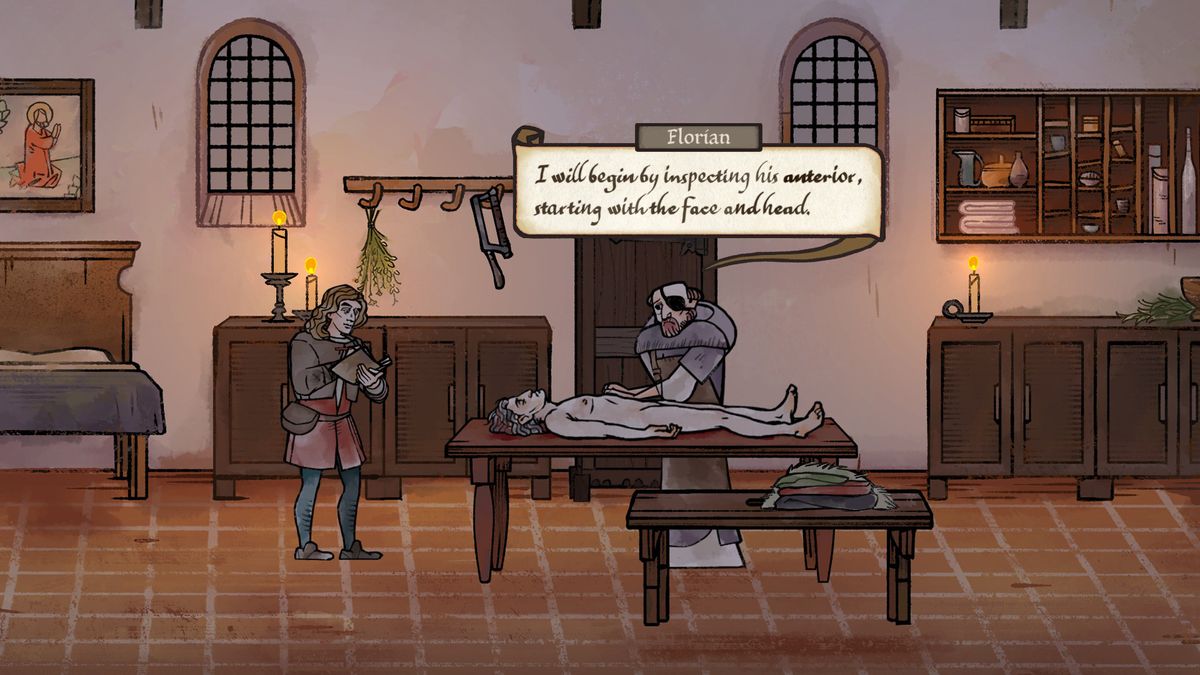
Central to the game’s murder mystery theme, investigation is vital. Players must gather evidence through dialogue with villagers and exploration, piecing together narratives that reveal truths or misconceptions. The way players interpret and present this evidence can drastically reshape conflicts, as the accusation of wrongdoing can rally support or incite further discord among villagers.
4. Reputation Mechanics:
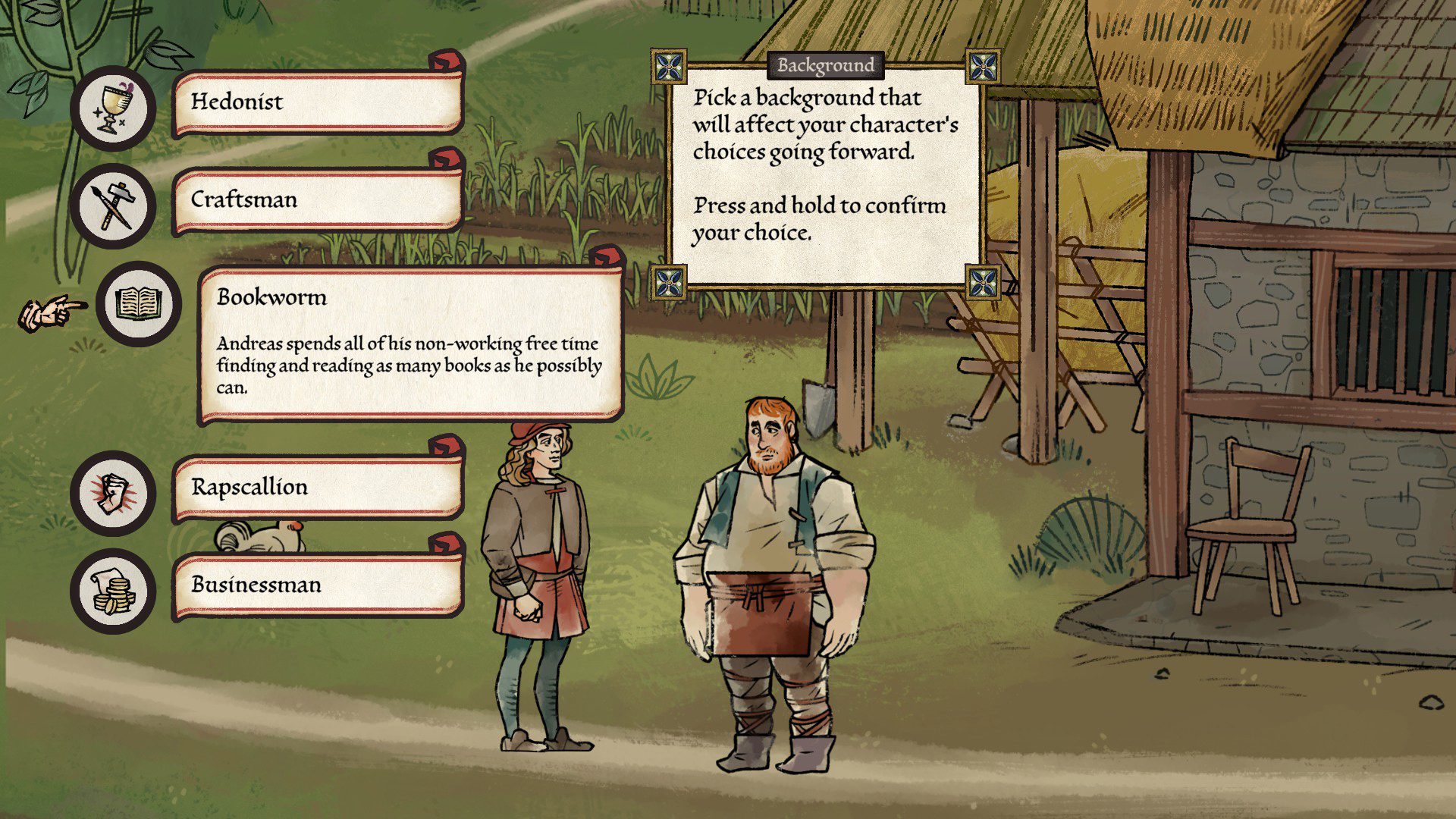
Reputation plays a critical role, as how characters perceive player character Andreas can directly influence conflict outcomes. A character with a positive reputation may find it easier to mediate disputes or rally support, while a negative reputation can serve as a barrier to effective communication. Thus, managing reputation becomes a strategic element of conflict resolution.
5. Character Relationships:
Personal relationships are foundational to conflict dynamics in Pentiment. Building and nurturing friendships—such as Andreas’s bond with Clous—provides not only emotional support but also vital insights that inform the player’s approach to resolving disputes. Stronger relationships can lead to greater influence in conflicts, making it easier to mediate or advocate for certain outcomes.
Conflict Resolution Strategies
– Mediation:
Players may adopt a mediator role, facilitating discussions between conflicting characters. By creating space for dialogue and promoting understanding, they can help characters reconcile their differences, often leading to mutually beneficial solutions.
– Avoidance:
In some scenarios, players can opt for avoidance as a strategy. Choosing not to engage with problematic characters or issues may provide temporary relief from conflict, allowing players to focus on other aspects of the game without exacerbating tensions.
– Alignment with Factions:
The social landscape of the village includes various factions, each with its own agendas. Players can align with certain groups, which may lend weight to their arguments or change how disputes are perceived. This alignment can be a strategic choice when approaching village politics and character relationships.
– Moral Dilemmas:
Pentiment challenges players with moral dilemmas that require tough decisions, often reflecting the player’s values and ethics. These choices can resolve conflicts in a manner that aligns with the player’s moral compass, reinforcing the subjective nature of right and wrong within the story and influencing characters’ perceptions long-term.
Conclusion
The rich and intricate conflict resolution system in Pentiment is not merely a backdrop but an active component of the narrative experience. Players are continually engaged in a dynamic interplay of dialogue, relationships, and strategic choices, all of which contribute to shaping the village’s social fabric. The game’s design encourages players to thoughtfully navigate conflicts, ensuring that each choice echoes through the narrative’s progression and affects character relationships in meaningful ways.

Leave a Reply