
Comprehensive Guide to Effective Inventory Management in Resident Evil Village
Managing your inventory is a crucial aspect of gameplay in Resident Evil Village. The game’s limited inventory space can often lead to difficult decisions when it comes to item management. This guide aims to provide you with a detailed strategy to optimize your inventory, ensuring that you are well-equipped to face the challenges ahead.
1. Inventory Basics
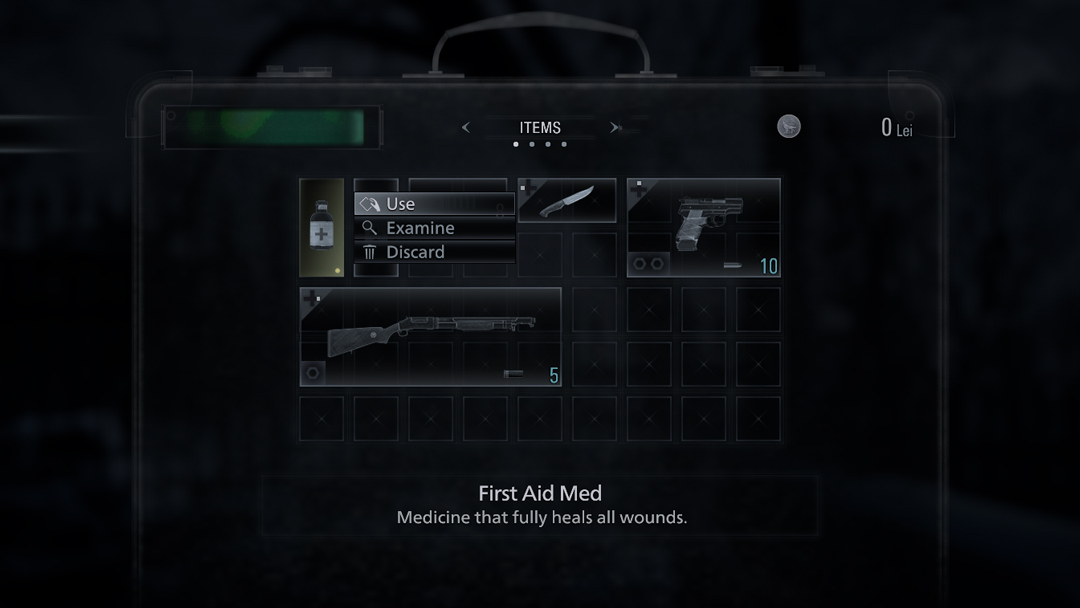
– Item Storage: Your inventory is essentially your lifeline, housing weapons, consumables, healing items, ammunition, and key items. Each category has specific usage and significance, so understanding what you have is key to survival.
– Item Interaction: You can conveniently access your items directly from your inventory. This functionality allows you to quickly use consumables or equip weapons during tense situations.
2. Inventory Organization
– Temporary Slots: When you pick up new items, they initially occupy temporary slots on the right side of the screen. Take advantage of this feature to assess which items you will keep and where they will be placed in your inventory.
– Horizontal and Vertical Item Placement: Play around with the orientation of each item. Rotating items horizontally or vertically can often free up additional space. Maximizing space utilization is crucial—experiment with different configurations to make every slot count.
3. Inventory Upgrades
– Extra Baggage Upgrades: To increase your inventory capacity, visit Duke’s Emporium. Go to the Gunsmithy section and look for the “Extra Baggage” upgrade option. This allows you to purchase additional slots for your items using Lei—an investment that can significantly enhance your carrying capacity.
4. Item Management Tips
– Sell Unnecessary Items: If you’re finding yourself frequently short on space, consider selling items that are no longer necessary. Items sold to Duke can often be repurchased later if you find yourself needing them once more, making it a low-risk strategy.
– Prioritize Essential Items: Keep essential items at the forefront of your inventory. Focus on maintaining healing items, ammunition, and key weapons, and don’t hesitate to store or discard less important items.
– Use Duke’s Shop Wisely: Regularly visit Duke’s Emporium. Use this time not just to upgrade equipment, but also to engage in valuable inventory management: sell unwanted items and stock up on necessary supplies.
5. Additional Tips
– Frequent Inventory Checks: Make it a habit to review your inventory frequently. This ensures that you are continually optimizing your space and making decisions based on your immediate needs.
– Plan Ahead: Before entering unfamiliar territories or challenging boss fights, take a moment to ensure your inventory is tailored to the situation. Bring along appropriate weapons, healing items, and other necessities to ensure you’re prepared for the encounters ahead.
By incorporating these strategies into your gameplay, you can enhance your inventory management skills and improve your overall effectiveness in Resident Evil Village. Mastering this aspect of the game will give you the leverage needed to survive the horrors that await.


Leave a Reply