
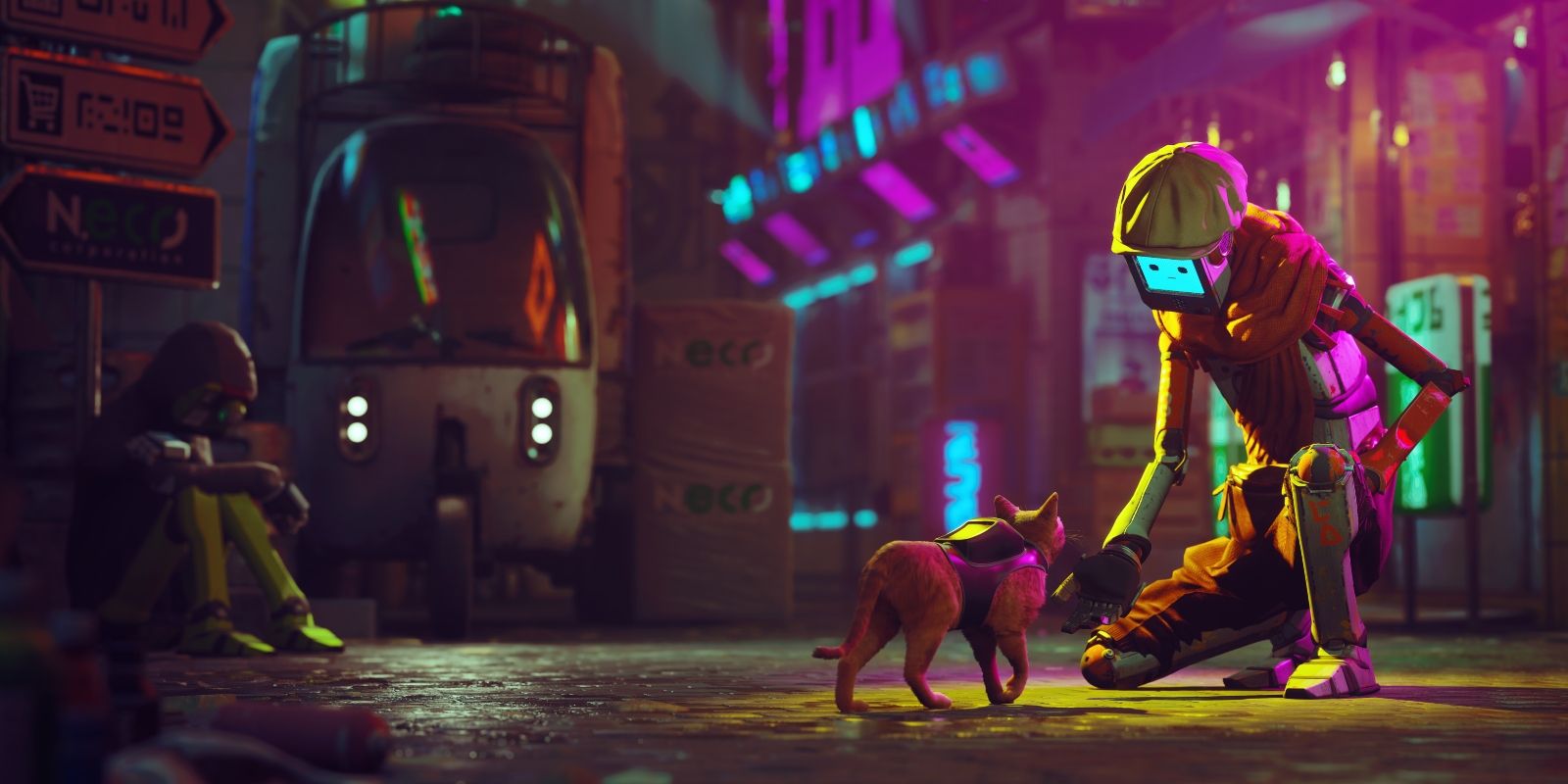
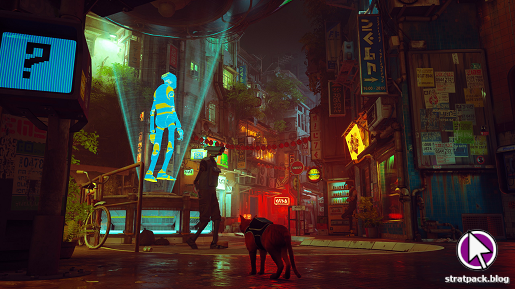
In the game Stray, music serves as both an atmospheric layer and a gameplay element, delivering an immersive experience without acting as a direct puzzle or progression mechanism. Below is an in-depth analysis of how music functions within the game’s varied environments and its contribution to gameplay through the collectible side activity of music sheets.
Music as Ambient and Dynamic Soundtrack
1. Dynamic Music System:
– The soundtrack in Stray is designed to be dynamic rather than static. In open zones like the Slums and Midtown, tracks respond to player actions, altering based on the timing and context, creating a unique auditory experience for each player. For instance, when exploring, players may notice the soundtrack shift in response to their movements or interactions, enhancing emotional engagement with the environment.
2. No Direct Player Control:
– Players do not have the ability to manually select or turn off music. Most of the tracks provide a background ambiance, crucial for mood but not directly controllable. This choice emphasizes the game’s focus on environmental storytelling and the immersion of the player into the narrative world of a cat navigating a dystopian city.
3. Puzzle and Action Sequences:
– Specific musical pieces are tied to certain areas, puzzles, or action sequences. For example, during contemplative puzzle-solving moments, a synth-heavy track like “Rikonium” plays, helping to create a thought-provoking atmosphere. Similarly, in action sequences that require quick reflexes, the music dynamically syncs with the on-screen events, enhancing the sense of urgency.
Interacting with Music: The Music Sheets Side Activity
1. Music Sheets:
– In one of the side quests, players collect music sheets, which are pieces of written music that they can find throughout the Slums. The first music sheet is acquired during the main storyline at Momo’s apartment, while others are hidden in various locations, encouraging exploration.
2. Using Music Sheets with Morusque:
– Once collected, players can take these music sheets to Morusque, a robot musician residing in the Slums. Morusque will perform the tunes corresponding to the collected sheets, adding to his repertoire. This interaction serves more as a collectible feature rather than a means to affect the main story progression but does contribute positively to the game’s atmosphere.
3. Rewards:
– Collecting all the music sheets not only unlocks additional dialogue but also deepens the immersion in the world of Stray, as players gain insight into the characters and the environment through this auditory reward.
Technical and Creative Implementation
1. Engine and Programming:
– The music and audio systems in Stray were crafted directly within Unreal Engine 4, foregoing external middleware like Wise or FMOD. The developers implemented custom-coded audio logic to handle dynamic triggers and synchronizations, particularly important for action sequences where timing is crucial. This meticulous approach ensures that sound cues blend seamlessly with gameplay, contributing to a polished auditory experience.
2. Randomization and Determinism:
– The game employs deterministic randomness for sound effects, ensuring consistency in how audio cues are triggered without unpredictability in the music, which is structured around player input and game events.
Summary Table
| Feature/Action | Description | Effect on Progression |
|———————————–|———————————————————————————————|————————————–|
| Ambient Music | Adaptive soundtrack based on player actions and zones | None |
| Puzzle/Action Music | Fixed or synchronized tracks for puzzles and action sequences | None |
| Collecting Music Sheets | Find hidden music sheets in the Slums | None (side quest) |
| Giving Sheets to Morusque | Hear new music, unlock dialogue, and enrich the world | None (side quest) |
Conclusion
In summary, music plays a crucial role in Stray by enriching the player’s experience through an adaptive and immersive soundtrack, complemented by a special side quest involving music sheets. However, it does not serve as a tool for progression in the main storyline or puzzles, focusing instead on enhancing the overall ambiance and depth of the game world.



Leave a Reply