
The tactical shooter genre has evolved significantly since its inception, shaped by key titles that introduced groundbreaking mechanics and gameplay elements. Among these, Airborne Ranger (1987) marked an early step by introducing careful planning, limited inventory systems, and varied mission objectives, setting a benchmark that influenced many subsequent games. With the release of Special Forces (1992), squad mechanics became pivotal, laying the groundwork for team-based strategies that would define later installments in the genre.
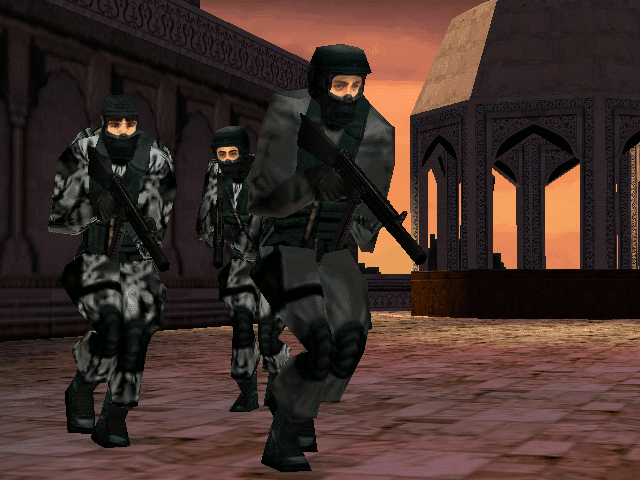
Further innovations were seen with SEAL Team (1993), which pioneered real-time simulation and vehicular gameplay in a 3D environment, enhancing immersive experiences for players. The genre reached new heights with Rainbow Six (1998), which revolutionized tactical gameplay by incorporating deep planning phases and highlighting the consequences of players’ decisions through realistic vulnerability and strategic squad dynamics. Finally, Operation Flashpoint (2001) expanded the tactical shooter’s scope, delivering vast open-world battles and a commitment to military simulation realism. Collectively, these foundational games established core conventions such as realism, teamwork, and strategic planning that continue to influence the genre, while titles like SWAT 3 (1999) serve as important, albeit lesser-known, examples of tactical shooters emphasizing realistic and non-lethal approaches.


Leave a Reply