
Exploring the Arctic biome in Subnautica: Below Zero presents both unique challenges and opportunities for resource gathering. To navigate this environment effectively, following a structured approach is essential to not only thrive but also to enjoy the experience. Here’s a comprehensive guide to assist you:
Key Features of the Arctic Biome
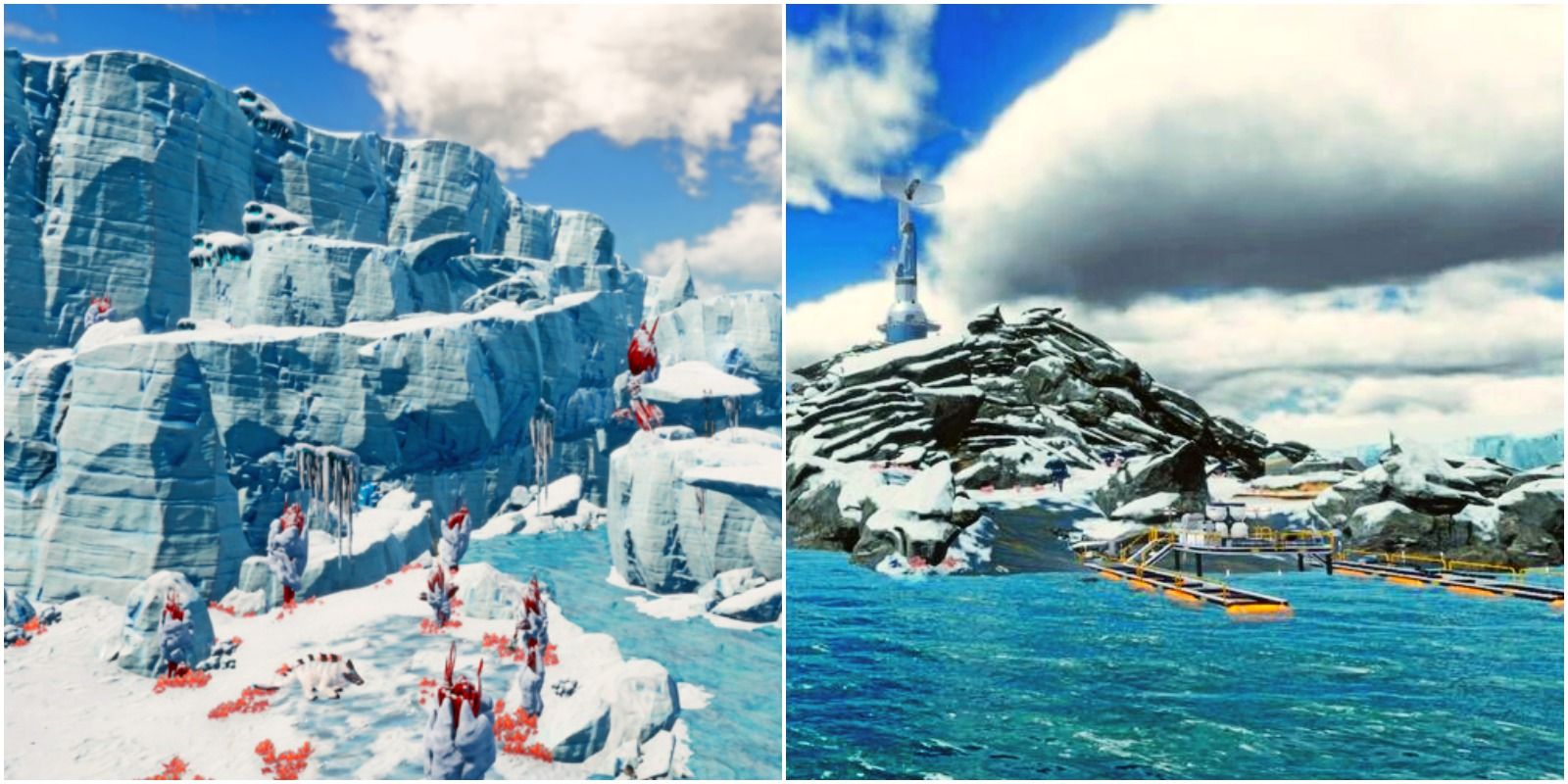
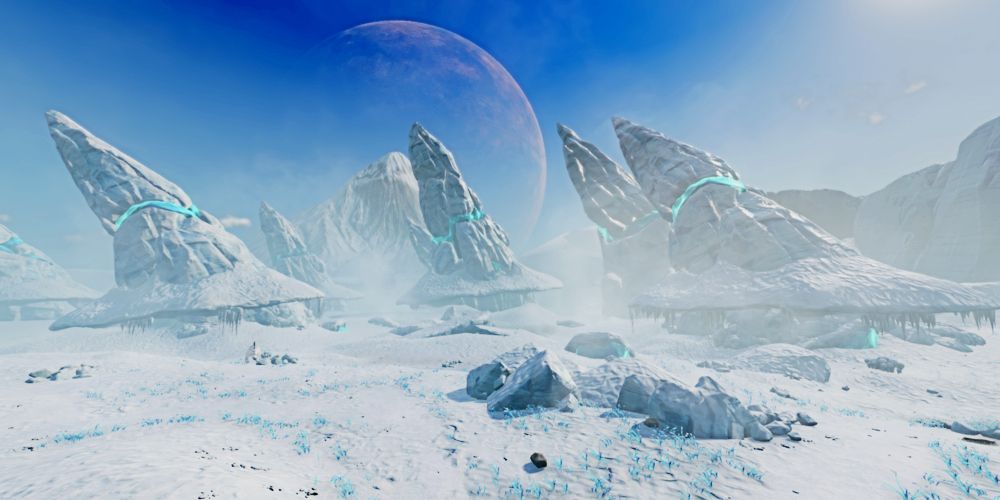
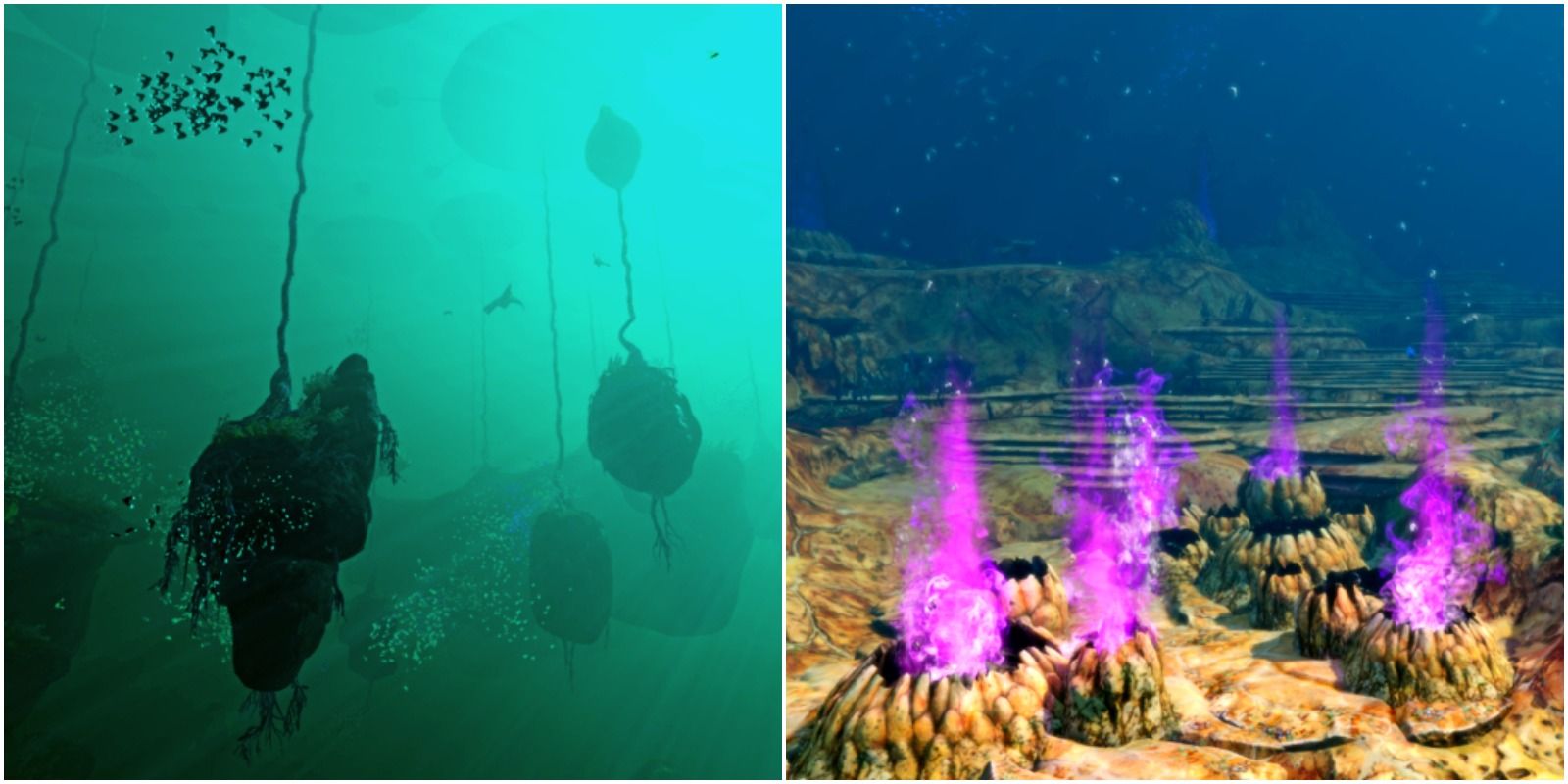
1. Terrain: The biome features a rugged, rocky seafloor interspersed with large ice formations. Its expansive area may seem visually repetitive, making the use of distinct landmarks crucial for orientation.
2. Visibility: The Arctic environment often suffers from low light conditions and frequent ice cover. This can lead to navigational difficulties, making awareness paramount.
3. Resources: While the Arctic is rich in valuable minerals and biological resources, these can be scattered across dangerous territories, demanding careful exploration.
Preparation Before Exploring
– Carry Essential Supplies: Equip yourself with sufficient food, fresh water, and a fully charged flashlight. The cold can rapidly deplete your resources.
– Inventory Management: Bring extra batteries for tools and equipment, as well as a repair tool for emergencies. Having a Seaglide or Seatruck allows for faster travel and additional storage space.
– Beacon System: Use beacons judiciously. Drop them at resource-heavy spots or key locations to serve as navigational aids for future excursions.
– Upgrade Your Gear: Focus on enhancements that increase your cold resistance and extend your oxygen capacity, which can significantly improve your survivability in harsh conditions.
Effective Navigation Techniques
– Landmarks: Identify and utilize notable features such as large plants, ice arches, and unique rock formations as navigation aids.
– Surface Reference Points: If you find yourself disoriented underwater, surfacing can provide a clearer view. Use Delta Island and Marguerit’s beacon as reliable reference points.
– Explore in Stages: Chart a clear route and proceed in small increments. Regularly return to your base or vehicle to restock and reassess your navigation.
– Utilize Your Map or PDA: Your PDA can log discoveries; even without a minimap, regular review of known locations can guide your exploration.
Avoid Common Pitfalls
– Running Out of Oxygen: Keep a close watch on your oxygen levels, especially in caves. Use base modules or your Seatruck as makeshift oxygen refill stations.
– Predators: Be cautious of aggressive creatures lurking in the Arctic waters, such as the Ice Worm. Stay vigilant and utilize defense tools.
– Cold Damage: Exposure to freezing temperatures when above water can lead to hypothermia. Equip cold-resistant gear and consume hot foods or drinks to alleviate the effects.
Emergency Procedures
– If Lost: Should you lose your way, always surface. Delta Island or Marguerit’s beacon are reliable landmarks to help regain your bearings.
– Running Low on Resources: If you find yourself low on essential supplies, attempt to return to a base or your vehicle. If stuck, look for immediate sources of food or water, prioritizing safety above all.
Summary Table: Arctic Biome Navigation Tips
| Tip | Description |
|——————————|—————————————————————————–|
| Use Landmarks | Identify ice arches, large plants, and unique rocks as navigational aids. |
| Drop Beacons | Mark resource-rich locations and important spots for future visits. |
| Monitor Supplies | Keep track of food, water, oxygen, and battery levels for safe exploration. |
| Surface for Orientation | Use prominent landmarks like Delta Island or Marguerit’s beacon to recalibrate your route. |
| Upgrade Gear | Invest in equipment that boosts cold resistance, oxygen capacity, and storage options. |
| Explore in Stages | Make short, manageable excursions rather than venturing too far at once. |
| Watch for Predators | Stay alert for potential threats from hostile creatures in the waters. |
By implementing these strategies, you can enhance your exploration experience in the Arctic biome of Subnautica: Below Zero. This will not only help you minimize the risks associated with navigation and resource management but also allow you to fully engage with the beauty and challenges this unique environment has to offer. Safe travels!


Leave a Reply