
Returnal Biomes Detailed Breakdown
Returnal presents players with a challenging and diverse world, divided into six distinct biomes, each presenting unique environments, enemies, and gameplay mechanics. To succeed, players must adapt their strategies to the distinctive characteristics of each biome.
Biome Overview
| Biome Name | Biome Number | Key Characteristics |
|———————-|————–|——————————————————————————————————|
| Overgrown Ruins | 1 | Ancient ruins overrun with foliage, featuring simpler enemy encounters and introductory mechanics. |
| Crimson Wastes | 2 | Open, arid desert landscape with vertical terrain features, affected by disruptive sandstorms. |
| Derelict Citadel | 3 | Floating structures offering high verticality and tougher enemies, demanding platforming skills. |
| Echoing Ruins | 4 | Sci-fi inspired ruins with darker aesthetics, introducing complex enemy types and pacing adjustments.|
| Fractured Wastes | 5 | Ice-bound, fragmented environments lacking a traditional boss, emphasizing survival instincts. |
| Abyssal Scar | 6 | An underwater biome with claustrophobic layouts and unique movement mechanics influenced by gravity. |
Key Differences and Strategic Adaptations
1. Overgrown Ruins (Biome 1)
– Environment: Dense vegetation and enclosed spaces familiarizing players with game mechanics.
– Enemy Types: Basic hostiles that serve as introductory challenges.
– Approach: Focus on mastering basic movement, shooting mechanics, and familiarizing yourself with enemy patterns. Resource management is less critical here.
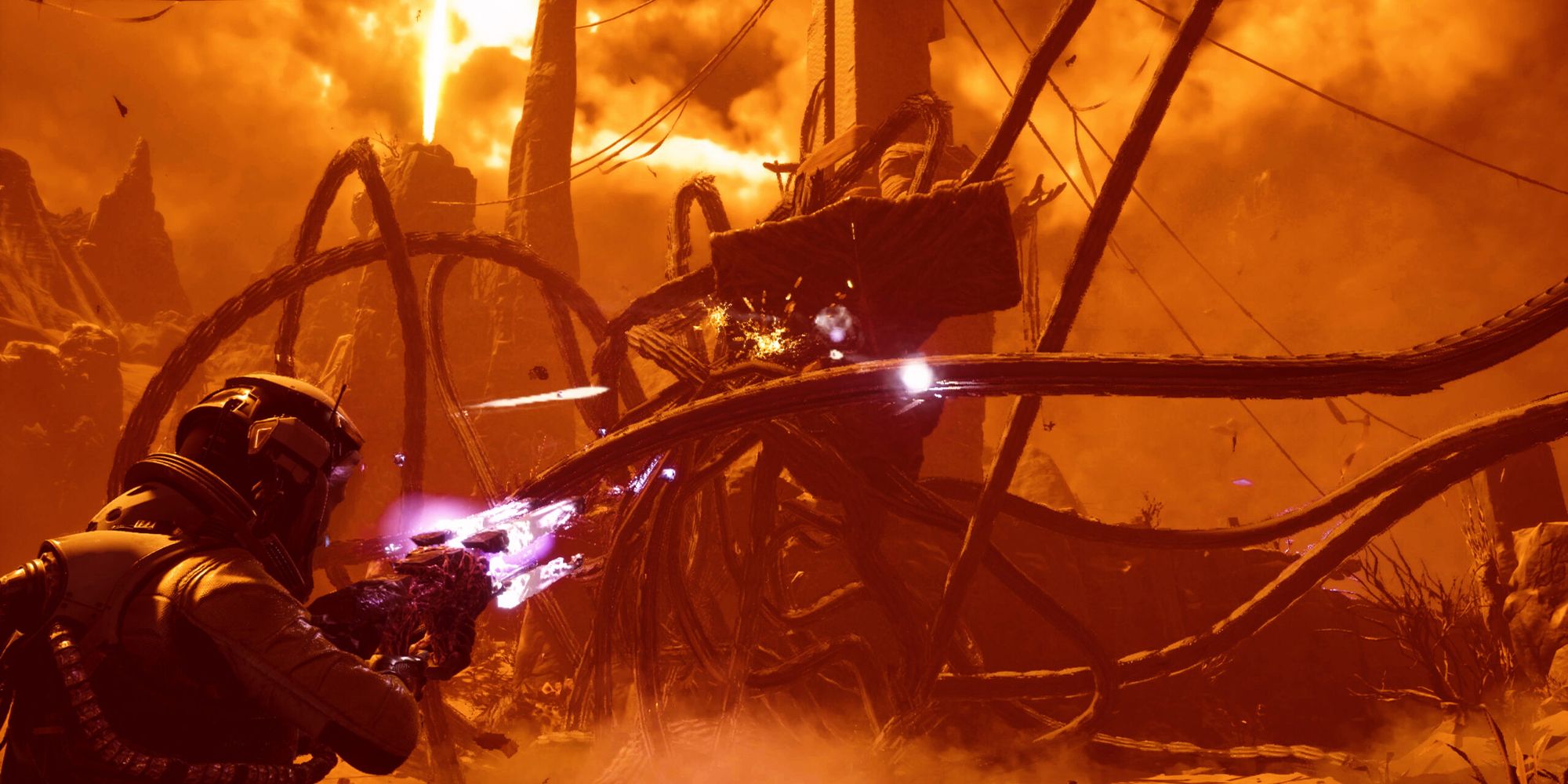
2. Crimson Wastes (Biome 2)
– Environment: Wide-open desert areas disrupted by sandstorms reducing visibility.
– Enemy Types: More aggressive and ranged enemies that pose heightened threats.
– Approach: Leverage terrain for cover, enhance mobility, and prepare for extended engagements while adapting to visibility challenges.
3. Derelict Citadel (Biome 3)
– Environment: Floating platforms create high verticality with electric hazards.
– Enemy Types: Stronger, more mobile enemies, especially those that attack from the air.
– Approach: Focus on perfecting vertical movement and platforming techniques. Dodging attacks and swiftly eliminating threats becomes essential.
4. Echoing Ruins (Biome 4)
– Environment: Dimly lit, complex structures featuring new layouts.
– Enemy Types: Introduces a variety of aggressive enemy types with specialized attacks.
– Approach: Hone combat skills and become vigilant with resource management, as the pacing and challenge ramp up significantly.
5. Fractured Wastes (Biome 5)
– Environment: Icy, fragmented landscape that lacks a conventional boss encounter but demands high alertness.
– Enemy Types: Aggressive foes capable of high damage, often confined to tight spaces.
– Approach: Prioritize survival techniques and resource management, as the biome’s difficulty significantly escalates. Avoid unnecessary risks by playing conservatively.
6. Abyssal Scar (Biome 6)
– Environment: Unsettling underwater biome with altered gravity, presenting spatial challenges.
– Enemy Types: Unique and often unsettling enemies, some utilize teleportation or area-denial tactics.
– Approach: Adapt to new movement dynamics and prepare for ambush scenarios. Patience and awareness of surroundings are crucial for success.
Adaptive Strategies for Success
– Mobility and Adaptation: Mastery of movement becomes increasingly vital in later biomes (particularly 3, 5, and 6). Players must adapt their traversal methods to suit varying environments and enemy behaviors.
– Resource Management: Early biomes allow for a more experimental approach, but resource management grows crucial, especially in Fractured Wastes where every health point counts. Focus on acquiring health, effective artifacts, and weapon upgrades.
– Enemy Awareness: As players progress through biomes, enemies become more formidable and aggressive. Learning enemy patterns and prioritizing threats based on their attack capabilities is essential.
– Strategic Caution: In particularly challenging biomes, such as Fractured Wastes, take care to avoid unnecessary conflicts and pass through dangerous sections only when adequately prepared or well-equipped.
– Pacing: Biome 5’s intense difficulty spike necessitates a slower, more methodical playstyle. Utilize consumables and defensive artifacts liberally to mitigate risks.
Summary Table
| Biome | Core Challenge | Adaptation Needed |
|—————|——————————-|———————————-|
| 1 | Learning mechanics | Basic movement, aim |
| 2 | Open combat, sandstorms | Use cover, enhance mobility |
| 3 | Verticality, tough enemies | Platforming, swift eliminations |
| 4 | New enemies, pacing | Advanced combat tactics, caution |
| 5 | Survival in confined spaces | Resource focus, patience |
| 6 | Gravity, ambushes | New movement techniques, situational awareness |
By comprehensively understanding each biome’s unique challenges and strategically adapting your gameplay accordingly, you can enhance your chances of survival and success in Returnal’s unforgiving world.


Leave a Reply