
Unpacking presents a profound narrative experience that leverages environmental storytelling to convey the intricacies of the protagonist’s life through the careful arrangement and meaningful presence of objects. By considering various elements of item placement, pacing, interactivity, and the evolution of possessions, players can immerse themselves in a deeply personal story that evolves over time.
1. Item Placement and Purpose
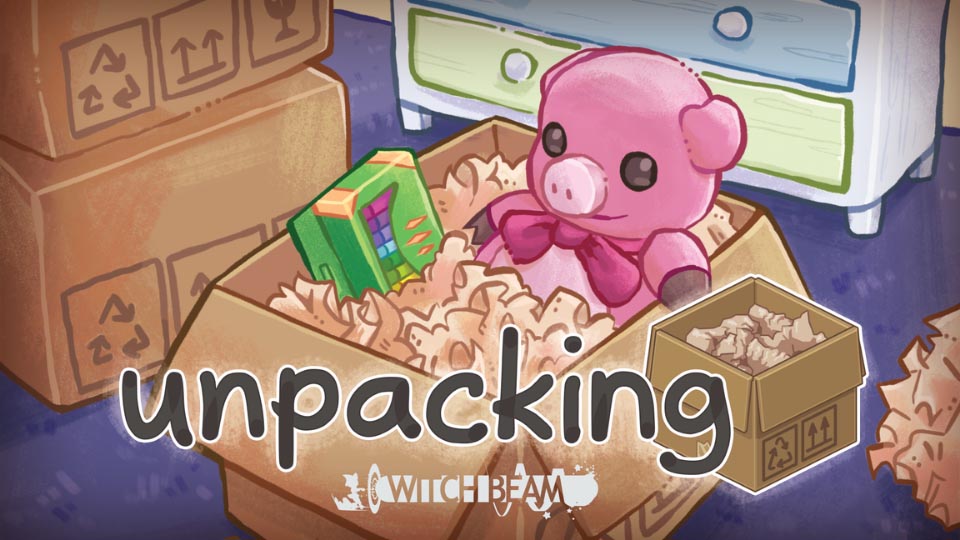
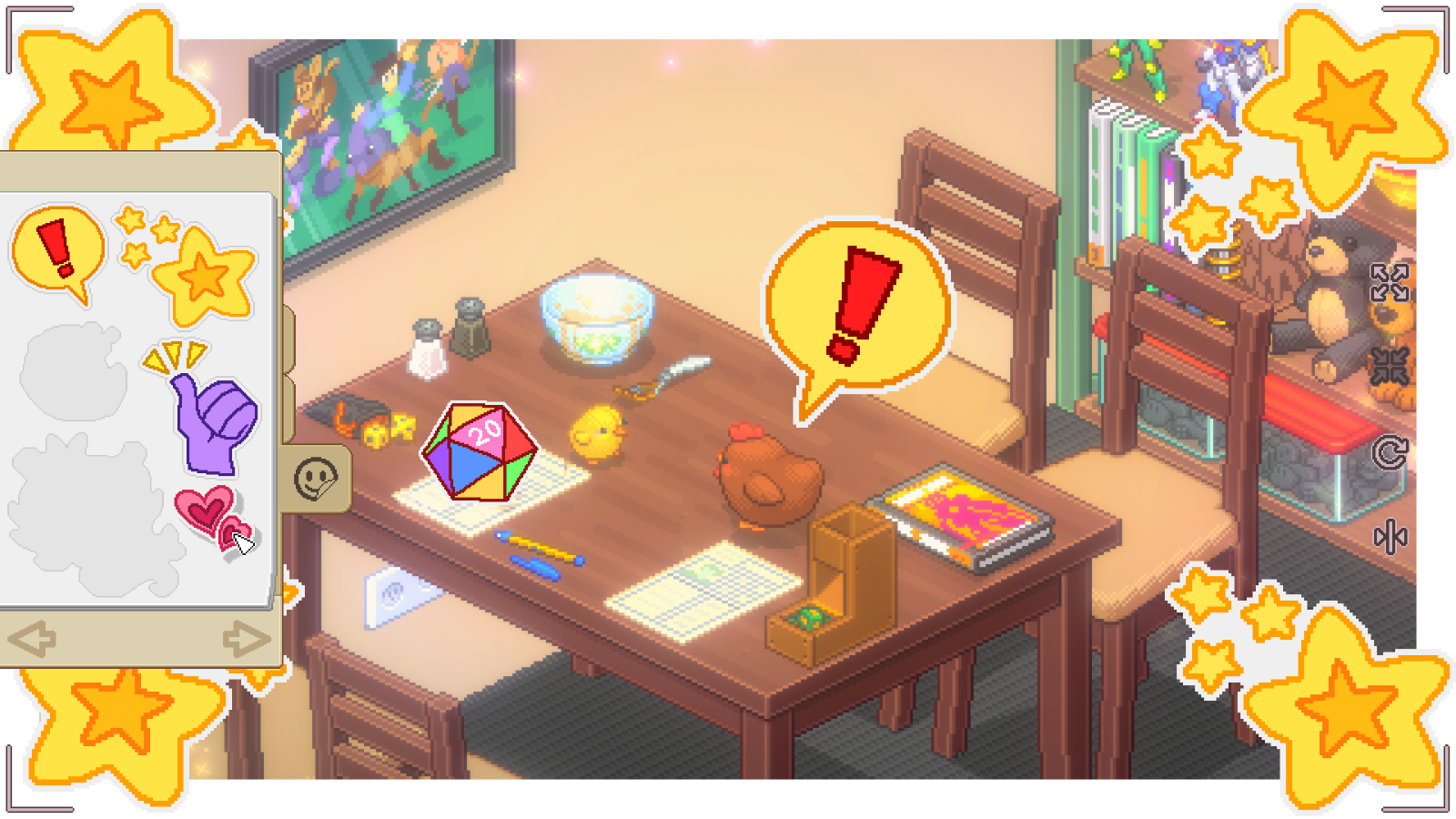
The positioning of each item is not arbitrary; instead, it serves a distinct narrative function. For example, a child’s plush toys placed prominently in a new bedroom suggest the innocence and transitional nature of childhood, symbolizing comfort in new surroundings. On the other hand, a journal, possibly tucked away on a shelf, may indicate moments of introspection or significant changes in the protagonist’s emotional landscape. Players have the agency to place items in ways that can enhance or alter the story’s interpretation. Placing a guitar front and center may signal the character’s enthusiasm for music, while storing it away may hint at lost interest, compelling the player to consider the protagonist’s evolving identity.
2. Environmental Storytelling Through Pacing and Ambiguity
The deliberate slow pacing of Unpacking allows players to fully engage with the environment and the emotional weight that each item carries. As players take time to explore the implications of various items, they develop a richer connection to the narrative. The game’s intentional ambiguity—where much about the protagonist’s life is left unsaid—invites players to co-create the story. This open-ended approach enables them to infuse their interpretations, personalizing the narrative to reflect their own experiences, fears, and aspirations.
3. Interactivity and Player Engagement
The interactivity embedded in the game’s mechanics enhances player engagement in a unique way. As players unpack and categorize items, they are prompted to think critically about the items’ roles within the protagonist’s life. This engagement goes beyond mere gameplay; it becomes an active storytelling process that fosters greater emotional investment in the protagonist’s journey, allowing players to envision the connections among items and how they narrate life’s transitions.
4. Evolution of Items Over Time
Unpacking showcases the protagonist’s growth through the natural progression of items across different life stages. As players navigate through multiple years, they witness a gradual shift from childhood toys to more mature items, symbolizing growth and maturation. This evolution can indicate significant life changes, such as the transition from adolescence to adulthood, marked by the arrival of new hobbies or relationships. The absence of previously cherished items can reflect evolving interests or life circumstances that may resonate with the player’s own experiences, making the narrative journey feel genuine and relatable.
5. Using the Game’s Structure to Tell a Story
The game’s structure, divided into yearly segments, allows players to explore how specific items remain constant or change over time. This cyclical storytelling presents a powerful narrative tool, spotlighting the stability or turbulence in the protagonist’s life. The relationship between items—such as the unexpected placement of a beloved red boot—can introduce layers of complexity to the story, suggesting that life is often unpredictable, filled with unexpected turns that can shape one’s identity.
By paying close attention to these elements throughout Unpacking, players are positioned to craft a personal narrative that resonates deeply with the protagonist’s journey. Each item tells a story, whether through its presence, absence, or placement, inviting players to explore the joys, sorrows, and complexities of growing up and moving through life. This nuanced approach to storytelling makes Unpacking not just a game but an emotional exploration of personal history and identity.



Leave a Reply