
In the charming and thoughtful world of Unpacking, players often find themselves grappling with the challenge of managing an overabundance of items relative to the storage space available. This intricate balancing act can seem daunting, but armed with a few effective strategies, players can navigate their unpacking journey with ease and creativity. Here’s a deeper look into understanding the game mechanics and implementing strategies for better organization.
Understanding the Game’s Mechanics
1. Item Placement:
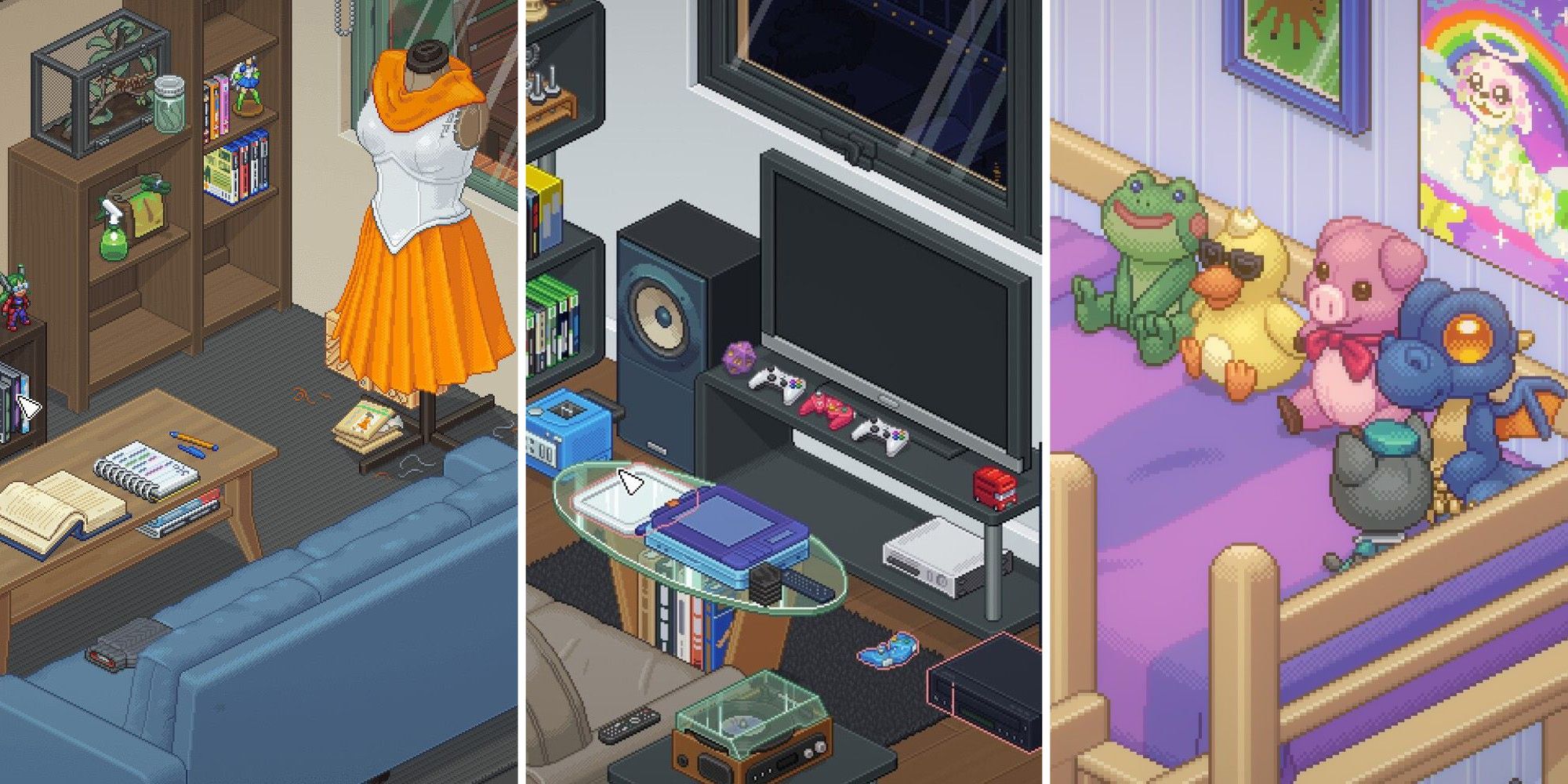
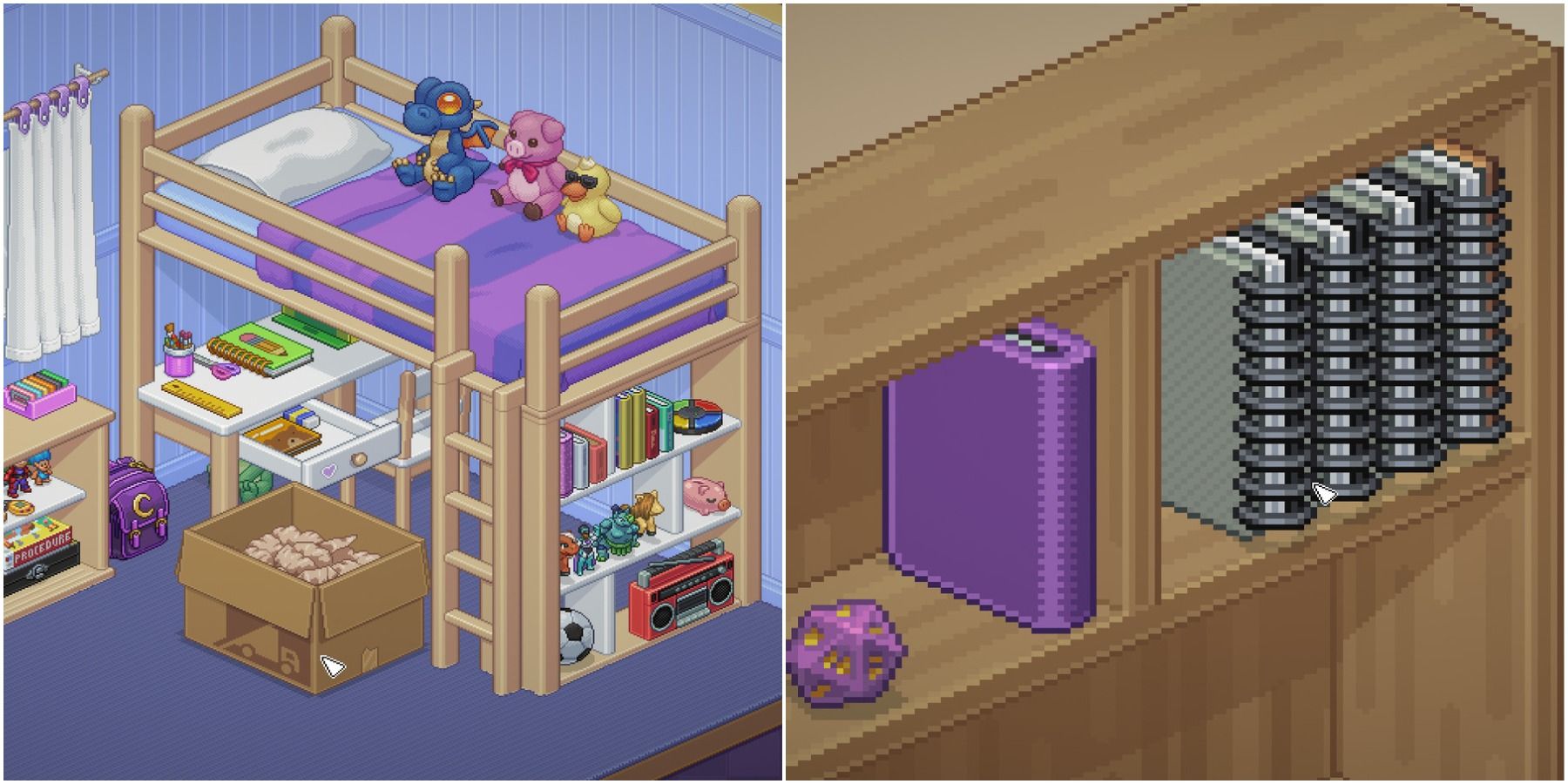
Each item in Unpacking is designed to fit in specific locations, promoting a sense of realism and order. By adhering to the indicated ‘right’ places for each item—whether it be a teddy bear on a bed or kitchenware in cabinets—players can foster a tidy living space that reflects both functionality and a sense of personal style.
2. Storage Space Limitations:
The game introduces various storage options, including drawers, shelves, and cabinets, each with a finite capacity. This limitation encourages players to think critically about how to best utilize the space at their disposal, essentially turning storage management into a satisfying puzzle.
Strategies for Managing Excess Items
When confronted with more items than available storage, players can employ the following strategies:
1. Prioritize Essential Items:
Start by identifying and placing essential items. For example, prioritize toiletries in the bathroom or frequently used utensils in the kitchen. This facilitates immediate accessibility and ensures that day-to-day necessities are readily available, enhancing the gameplay experience.
2. Optimize Storage Usage:
Make the most of vertical space by stacking items on shelves or utilizing the full capacity of an available drawer or cabinet. It’s essential to keep in mind how the game’s mechanics dictate item interaction, as certain items may only fit in specific orientations or configurations. Therefore, experimenting with different placements can yield a better-organized space.
3. Consider Aesthetic Balance:
While functionality is paramount, the game invites players to create a visually appealing environment. Strive for a balance where items complement each other aesthetically. Rearranging items that disrupt the thematic or visual coherence of a room can create a more inviting and satisfying arrangement.
4. Visualize and Plan:
Before diving into unpacking, take a moment to visualize the space and consider potential arrangements through a mental layout. This planning phase can reduce the frustration of having to rearrange items later and can help establish a logical sequence in which to unpack.
5. Use the Game’s Hint System (If Available):
Leverage any hints or prompts provided by the game to guide item placement. These suggestions can be incredibly helpful, especially in more complex rooms where the best placement isn’t immediately obvious.
Conclusion
Effectively managing an excess of items in Unpacking is not just about finding a place for everything; it’s an exercise in strategic decision-making and creativity. By prioritizing essential items, optimizing the use of storage space, considering aesthetic appeal, planning spatial arrangements, and utilizing any in-game hints, players can successfully navigate their unpacking adventure. This blend of strategy and creativity not only enhances gameplay but also leads to the satisfaction of creating a personal space that feels both functional and well-curated. Embrace the process, and enjoy the journey of making a house into a home!

Leave a Reply