
In the game Unpacking, the act of strategically placing objects—whether on shelves, desks, or within drawers—works on multiple layers: it enhances gameplay mechanics, enriches narrative immersion, and offers emotional engagement. This multi-faceted approach illustrates the game’s thoughtful design and intentional focus on player experience.
Gameplay Benefits
1. Spatial Organization and Puzzle Satisfaction
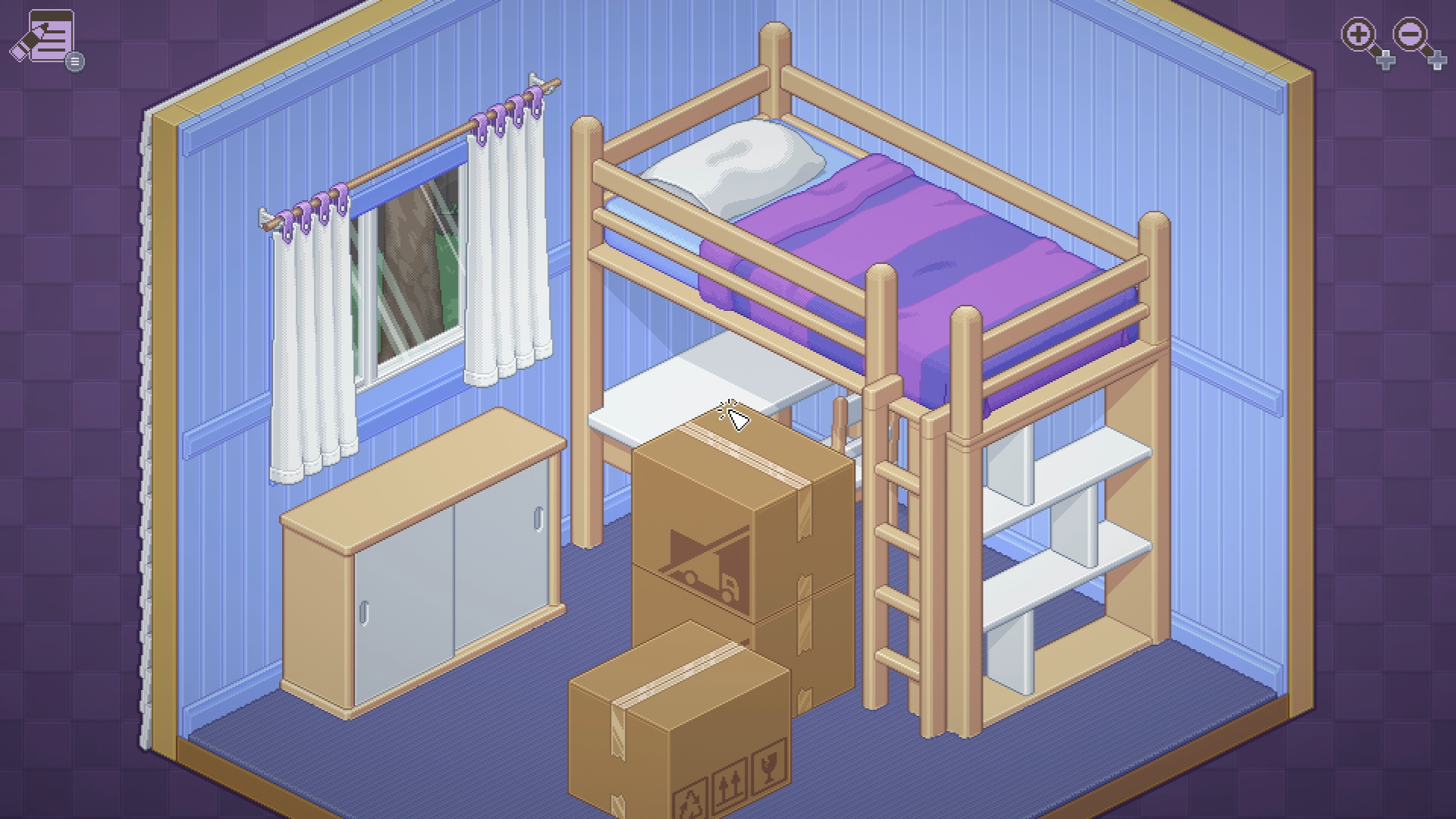
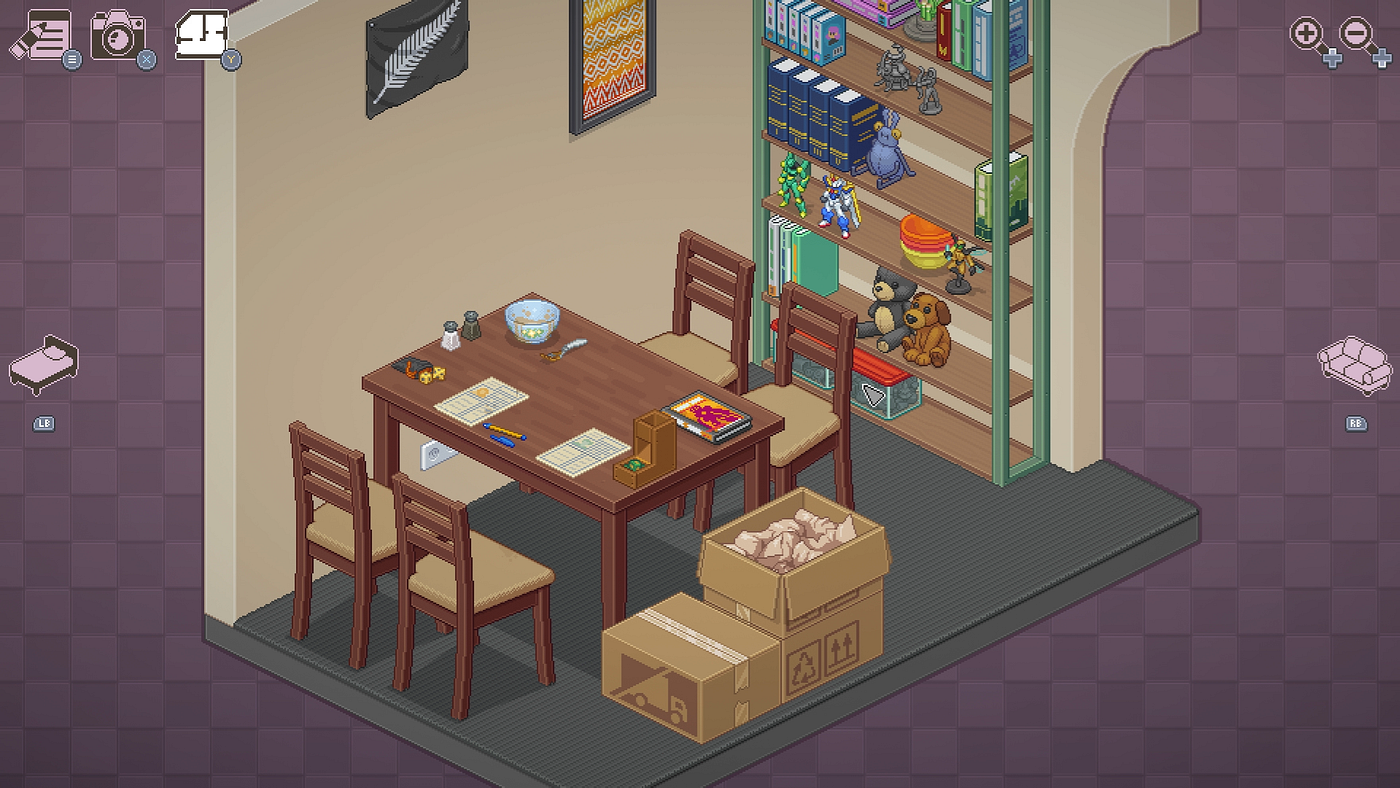
– Granular Customization: Players can arrange items with remarkable detail, granting them the power to personalize spaces at a level often unseen in home decoration games. This meticulous interaction fosters a sense of ownership and creativity, allowing each area to transform into a unique representation of the character’s life and experiences.
– Puzzle Completion: Successfully navigating through levels hinges on placing items in their appropriate contexts. The game explicitly signals when objects are misplaced—via a red outline—prompting players to reconsider their arrangements. For example, a ukulele in a bathroom would not only be illogical but also classified as a gameplay hindrance until rectified. This attention to placement enforces logical spatial relationships between items and their ideal locations, particularly in shelves, desks, and drawers.
– Inventory Management: By encouraging organization, the game promotes efficient navigation through the protagonist’s home. Key objects, such as books or kitchen gadgets, become easily accessible when placed correctly. This aspect enhances the gameplay experience by streamlining future unpacking tasks into a more efficient process.
Narrative and Emotional Benefits
1. Storytelling Through Placement
– Reflects Character Growth: The manner in which items are unpacked and arranged offers insights into the protagonist’s journey. For instance, a book prominently placed on a nightstand signals its importance to the character’s routine, while leaving it out suggests a period of transition or indecision.
– Reveals Personality and Lifestyle: The organization of items serves as a mirror reflecting the protagonist’s habits and lifestyle choices. Positioning items like cookies next to the sink instead of tucked away can subtly indicate a relaxed attitude towards indulgence or convenience.
– Immersive Connection: Without any dialogue or explicit storytelling, the game thrives on emotional resonance. Each placement becomes a silent narrative device, where players cultivate a bond with the character through the thoughtful arrangement of belongings—creating a personal connection that unfolds uniquely for each player.
Access and Usability
1. Practicality and Aesthetics
– Aesthetic Appeal: Through careful arrangement, players can create visually pleasing and organized spaces, enhancing the game’s meditative experience. This aesthetic quality contributes to the overall satisfaction players feel throughout the unpacking process.
– Accessibility: Items positioned in logical, functional locations (toiletries in the bathroom, cookbooks in the kitchen) greatly enhance user experience by grounding the game in a sense of realism. This functionality reinforces the idea that these spaces become genuinely ‘owned’ by the protagonist.
– Narrative Constraints vs. Player Freedom: While the game guides players towards sensible placement, it maintains a balance of freedom, allowing room for personalization within the broader narrative. Upon completion, players unlock an option to freely arrange items, offering a rewarding creative outlet as a culmination of their journey through the game.
Summary Table
| Placement Type | Benefits |
|————————-|——————————————————————————————–|
| Shelves/desks/drawers | Tidy, organized, accessible, visually pleasing, narratively meaningful |
| Out in the open | May indicate disorganization, can hinder gameplay progression, less immersive |
Conclusion
In Unpacking, the choice to place objects in designated areas such as shelves or desks significantly amplifies both gameplay mechanics and narrative depth. This intentional placement invites players to engage intimately with the protagonist’s personal story while solidifying feelings of connection and ownership. While the game discourages haphazard placement to maintain coherent storytelling during gameplay, it offers an avenue for creative expression post-completion, rewarding players for their journey through the world of unpacking.

Leave a Reply