
Organizing a child’s room in the game Unpacking presents a distinctive set of challenges that reflects both the complexity and the emotional narrative of childhood. Unlike adult rooms, which typically contain more functional and uniform items, children’s rooms are filled with a vibrant assortment of belongings that require thoughtful arrangement and consideration of both practical and sentimental factors.
Unique Challenges in Organizing a Child’s Room
1. Varied and Playful Items:
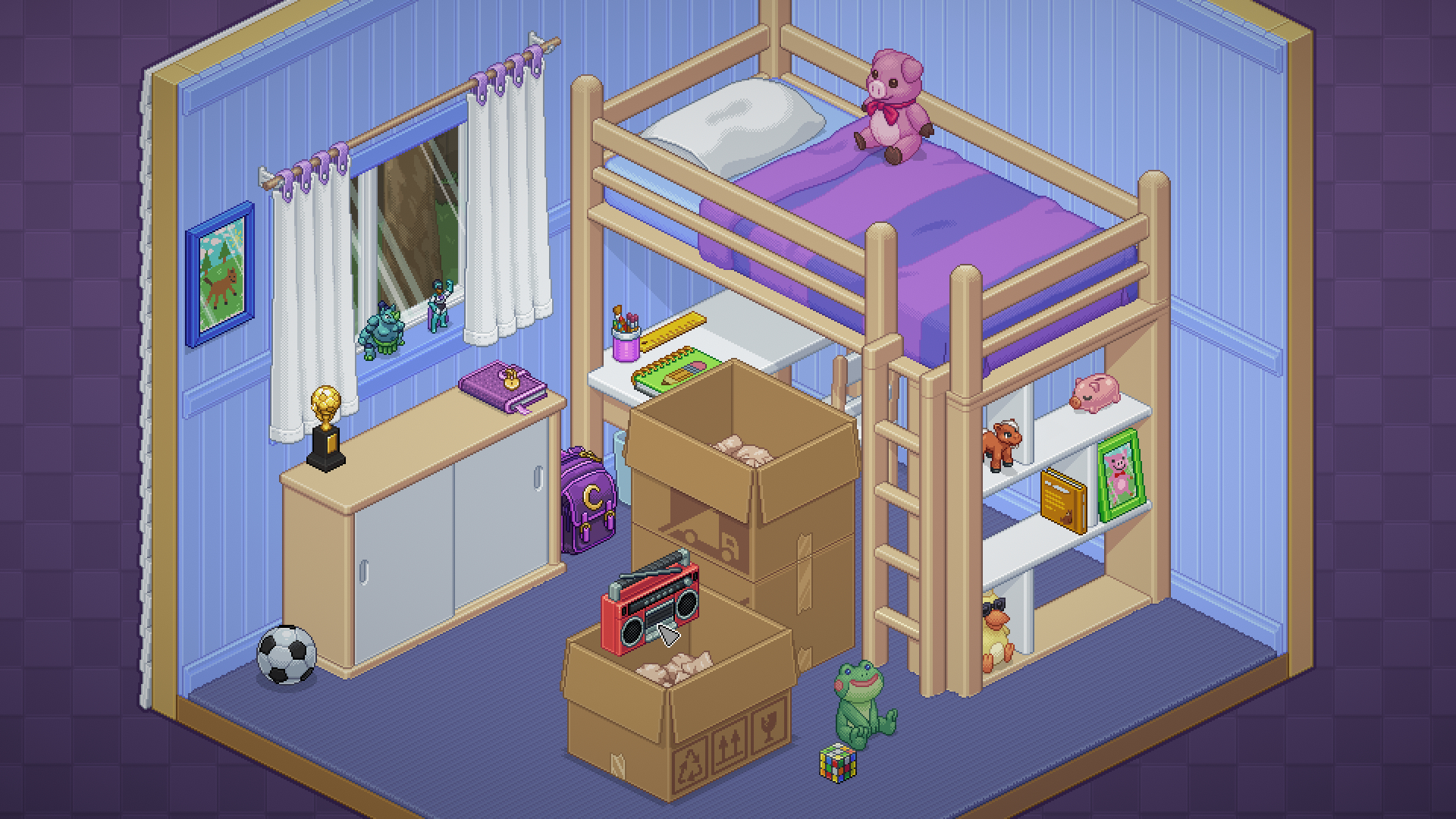
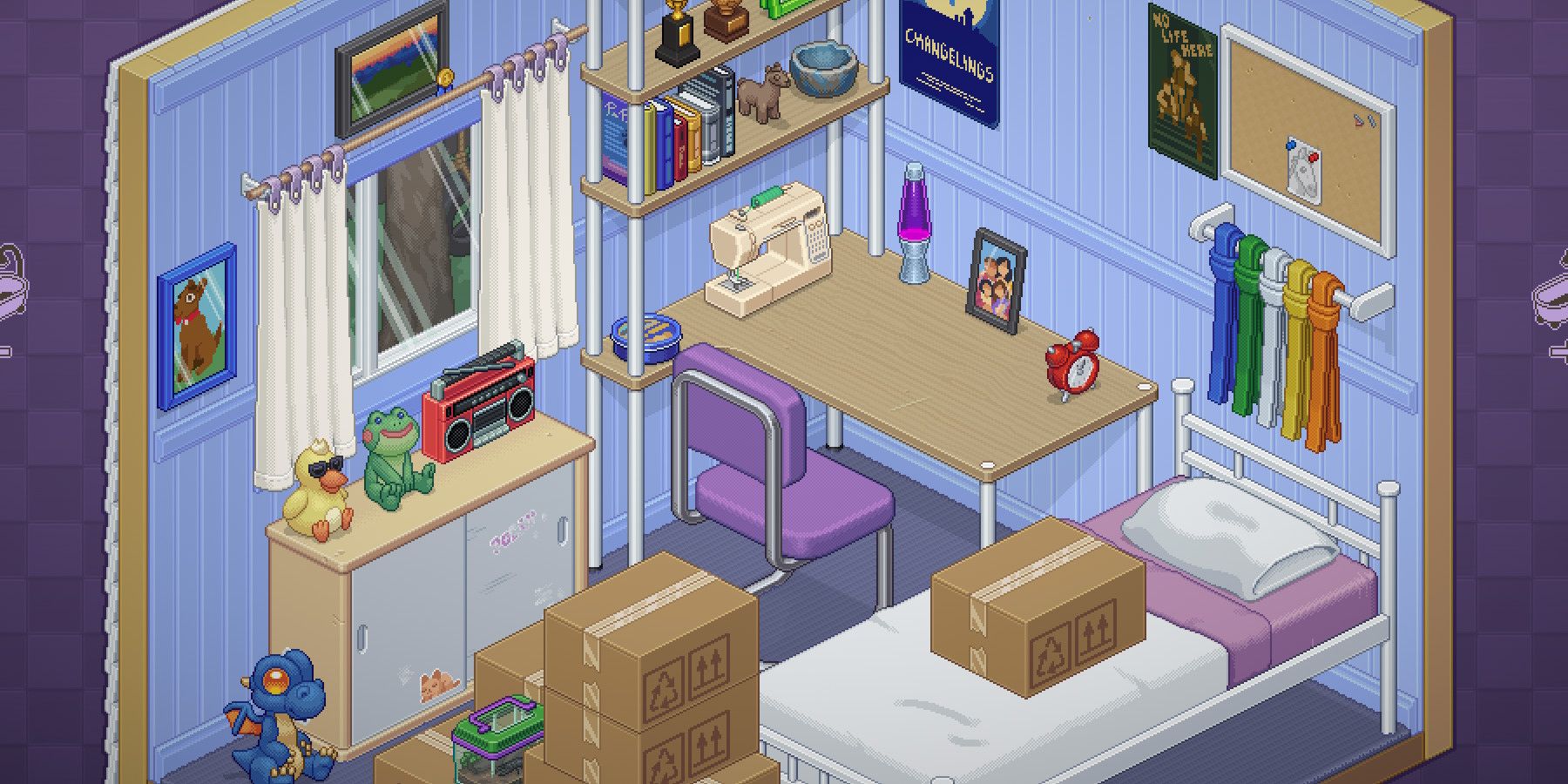
Children’s rooms are populated with a rich mixture of items—ranging from toys and stuffed animals to posters and school supplies. This diversity requires players to engage in a creative process when deciding where each object belongs. For example, the placement of a beloved stuffed animal can enhance the narrative of the room, as its location—whether on the bed, shelf, or floor—can influence the overall ambiance. Items such as drawings, which hold significant sentimental value, are often designated to be prominently displayed on corkboards or walls, reflecting the child’s creativity and personal expression.
2. Multiple Storage Solutions:
The storage dynamics in a child’s room differ significantly from those in adult spaces. Children’s rooms frequently feature an array of compact storage solutions such as shelves, drawers, under-the-bed compartments, and corkboards, all of which prompt players to think strategically about spatial organization. For instance, finding an optimal spot for items like yoga mats, weights, and small electronics challenges players to utilize hidden spaces effectively while ensuring that everything is easily accessible, thus mimicking a child’s playful yet organized chaos.
3. Decorative and Emotional Elements:
A child’s room is often a canvas for self-expression, embellished with decorative elements that carry emotional significance. Posters of favorite characters, trophies from sports events, and personal drawings showcase the milestones of childhood. Players must consider how the positioning of these items can reflect the child’s personality and development. For example, thoughtfully hanging a poster or arranging trophies on a shelf not only enhances the room’s character but can also yield rewards in gameplay, reinforcing the importance of these emotional touchpoints.
4. Emotional Narrative Context:
Organizing a child’s room intertwines with deeper emotional narratives, often reflecting growth, familial bonds, and personal history. In Unpacking, scenarios such as moving back into a childhood home evoke memories and sentiments that influence how players approach the arrangement of items. This narrative aspect adds layers of meaning to the organization process, urging players to consider not only the practicality of item placement but also the emotional connections and stories behind them.
Comparison to Adult Rooms
When contrasting the challenges of organizing child’s rooms to those of adult spaces, the emphasis on emotional engagement becomes evident. Adult rooms often prioritize a more minimalist and functional organization, focusing on efficiency and style—items like laptops, professional books, and decor serve a practical purpose. In contrast, organizing a child’s room in Unpacking merges the playful with the practical, demanding a delicate balance between aesthetic charm and effective storage solutions.
Conclusion
In summary, the process of organizing a child’s room in Unpacking is a multifaceted and rich experience that highlights the complexity of childhood through the lens of gameplay. Players must navigate a vast range of colorful and emotionally significant items, making nuanced decisions about their placement within varied storage solutions. This unique challenge not only reflects the vibrant chaos of a child’s world but also fosters a deeper connection to the narrative of growth and personal history, making it a profoundly engaging aspect of the game.

Leave a Reply