
Optimizing the mining process in Factorio is indeed critical for sustaining the supply chain necessary for your factory’s growth. Here’s a detailed guide on effective strategies for enhancing your mining operations:
1. Choosing the Right Mining Drills
– Electric vs. Burner Drills: Start with burner drills for immediate needs; however, transition to electric mining drills as soon as you have access to electricity. Electric drills not only improve automation but also help with pollution management, which becomes increasingly important as your factory expands.
– Upgrading Drills: Once you’ve made the switch to electric drills, prioritize upgrades by adding productivity and efficiency modules. These enhancements can significantly boost ore extraction rates and overall productivity.
2. Optimizing Mining Productivity
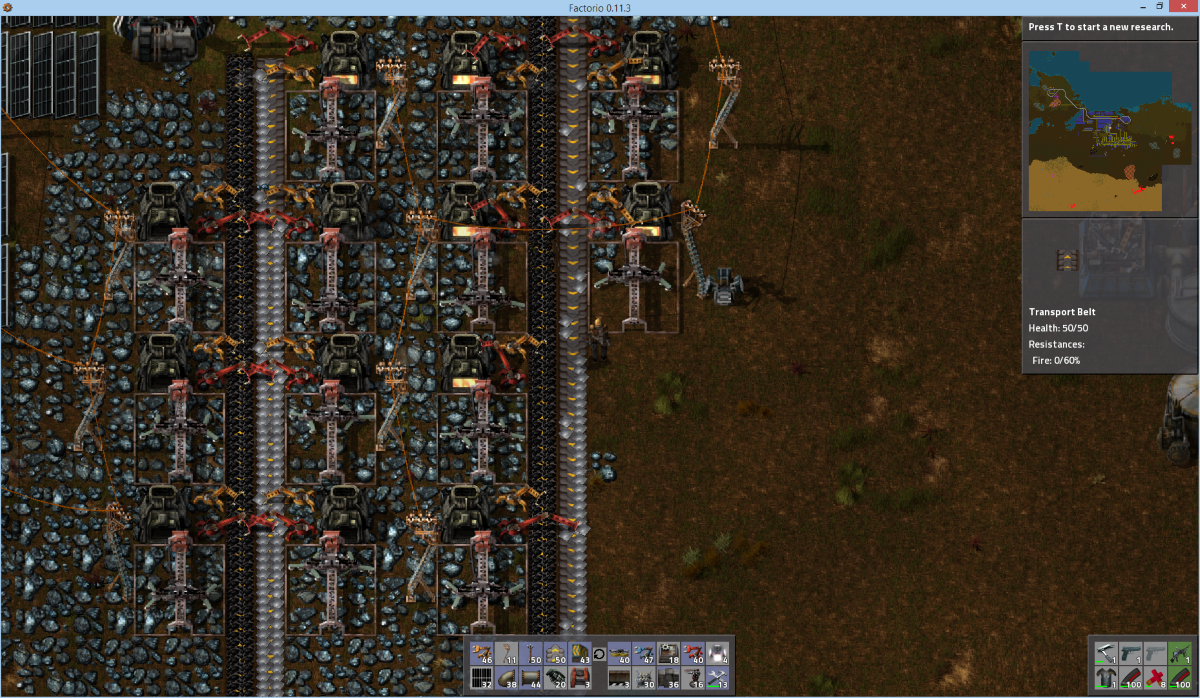
– Beacons and Modules: Utilize beacons in conjunction with productivity modules to amplify the output of your drills. This synergy can lead to a scenario where fewer drills yield a greater quantity of resources, thus alleviating pressure on your logistical systems.
– Balanced Mining Setup: Design a balanced mining approach by incorporating a diverse setup of resource miners. Balancing iron, copper, coal, and stone miners can ensure that no single resource becomes a bottleneck in your production chain, allowing seamless operations.
3. Transportation Efficiency
– Belt Usage: Begin with yellow transport belts, which accommodate up to 15 items per second. As your factory scales, upgrade to red or blue belts to handle increased item flow, ensuring an uninterrupted transportation network.
– Direct Loading Technique: Implement direct loading of ores into trains or other logistics systems when feasible. This technique minimizes the need for transport belts and inserters, streamlining the movement of resources and reducing potential lag in the system.
4. Resource Management
– Standard Lane Balancer: Deploy standard lane balancers in your belt setup to guarantee an even distribution of items across multiple lanes. This practice helps prevent bottlenecks and optimizes resource flow within your factory.
– Balancing Resource Output: Keep a close eye on resource extraction rates. Adjust the number of miners for each type based on demand; for instance, if your factory requires more coal than iron, increase your coal miners accordingly to maintain efficiency.
5. Reducing Active Entities
– Minimize Belts and Inserters: Focus on designing layouts that are efficient and compact, using the minimum number of belts and inserters necessary. This approach reduces the number of active entities, which can enhance game performance and reduce CPU load.
– Optimize Entity Placement: Strategically place your mining infrastructure and associated entities to streamline the flow of items. Simplifying layouts not only improves efficiency but also minimizes clutter, which can otherwise hinder operations.
6. Continuous Supply Chain
– Buffering: Introduce buffer chests or stations to act as temporary storage for excess resources. This strategy ensures that there is always a supply of materials available, even during peak usage times, preventing production halts.
– Expand as Needed: Regularly assess your resource consumption and growth patterns. Proactively expand your mining operations in response to increasing demands to ensure sustainability and avoid resource shortages.
By employing these strategies, you can develop a robust and efficient mining system in Factorio. This will not only support your current manufacturing needs but also facilitate future expansions, ultimately leading to a thriving factory operation. Remember to adapt and iterate on your designs as your factory evolves to contend with new challenges and increased production requirements.



Leave a Reply