
Balancing Resource Management and Mission Completion in Through the Darkest of Times
Overview of the Game
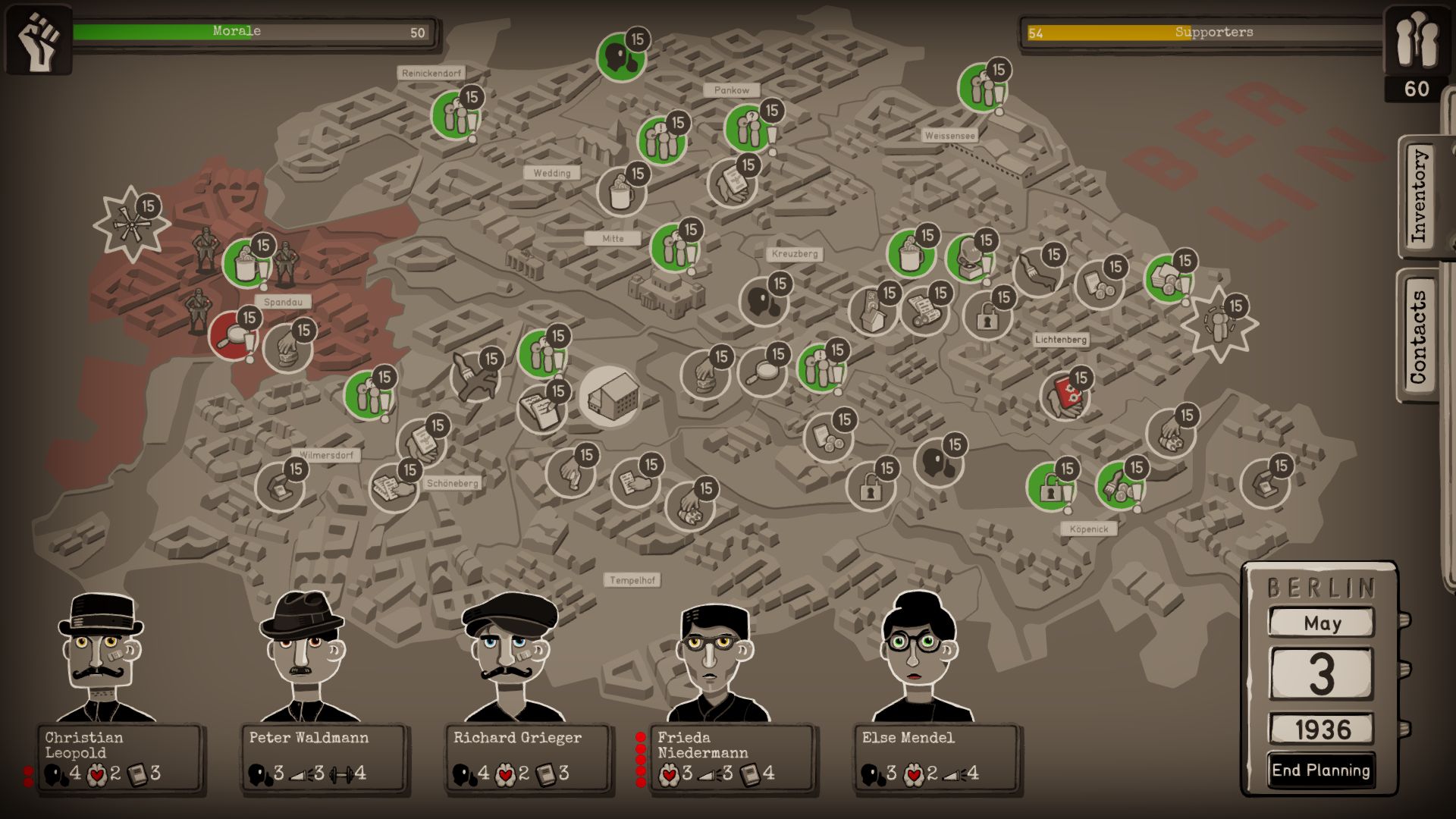
Through the Darkest of Times is a strategic simulation game where players assume the role of a leader of a group of German civilians determined to resist the Nazi regime during World War II. The game emphasizes the importance of resource management and the completion of various missions to ensure the survival and growth of the resistance movement.
—
Key Components for Balancing Resources and Missions
1. Resource Types and Management
The game revolves around four primary resources, each playing a critical role in your resistance efforts:
– Money (Marks): Essential for securing supplies, establishing hideouts, and recruiting new members. Marks are primarily obtained through fundraising missions.
– Supplies: This includes materials like paint, paper, and gas necessary for carrying out your missions. Supplies are acquired through specific supply missions.
– Supporters: The resistance thrives on public support. Increasing the number of supporters enhances the group’s influence, unlocking more resources and mission opportunities. Supporters are gained through missions aimed at garnering public support.
– Heat Level: This metric represents the Nazi regime’s awareness of your group’s activities. A high heat level raises the risk of arrests during missions, necessitating careful planning.
2. Mission Categories and Prioritization
Prioritizing the right missions is crucial for balancing resource generation and mission completion:
– Fundraising Missions: These are vital for generating the funds needed to keep the resistance operational.
– Support Missions: Conducting missions to gain support broadens your network and increases future donation potential.
– Recruitment Missions: Important for adding new members to the team, enhancing the collective capabilities of the resistance.
– Resistance Supply Missions: These missions focus on gathering the essential supplies needed for various activities.
– Breakout Missions: In the event that members are arrested, breakout missions are crucial for recovering captured allies.
3. Mission Selection and Group Management
Effective management of your group’s members can significantly impact mission outcomes:
– Assigning Members: Each member possesses unique traits and abilities that can either aid or hinder mission success. Matching the right traits to mission requirements is critical.
– Mission Risk vs. Reward: Evaluate the risk level of each mission against the potential rewards, especially considering the current heat level and the respective risk of arrest.
—
Strategies for Effective Balancing
Weekly Resource Allocation
1. Prioritize Fundraising: Ensure consistent funding to maintain supplies and secure hideouts.
2. Maintain Supporter Levels: Regularly pursue support gain missions to keep your influence strong.
3. Manage Supplies: Strategically allocate members to missions focused on gathering necessary supplies.
4. Recruit Strategically: Adding new members should be a calculated decision, augmenting the team’s strengths without significantly raising the heat level.
Mission Selection
1. Lower-Risk Missions First: Begin with fundraising and support missions to establish a solid resource base before venturing into riskier operations.
2. Focus on High-Reward Missions: As your resource pool grows, you can afford to undertake missions that yield greater impacts.
3. Consider Member Traits: Utilize members whose specific traits align with mission requirements to maximize the likelihood of success.
Crisis Management
1. Heat Management: Monitor heat levels closely; avoid high-risk missions with members who have elevated heat levels to mitigate arrest risks.
2. Plan for Rescue Missions: Be prepared for potential arrests and ensure that resources are allocated for breakout missions when necessary.
—
Tips for Sustainability
1. Conduct Regular Logistical Missions: Establish a steady flow of resources to avoid shortages.
2. Diversify Members: Continuously recruit members with varying and complementary skills to enhance your group’s versatility.
3. Remain Adaptive: As the dynamics of the resistance evolve, be ready to adjust your strategies to meet new challenges and opportunities.
By adhering to these strategies and effectively managing both resources and mission selections, players can navigate the challenges presented in Through the Darkest of Times, fostering a resilient and impactful resistance against the oppressive regimes of the era.




Leave a Reply