
In A Plague Tale: Innocence, players face unique boss-like encounters against the Inquisition, particularly with notable figures like Lieutenant Nicholas and Grand Inquisitor Vitalis. These encounters differ from traditional combat mechanics and instead prioritize strategy, environmental manipulation, and stealth. Below is a detailed breakdown of the mechanics and strategies for each boss fight, along with general tips for dealing with Inquisition soldiers.
Boss-Like Encounters with the Inquisition
Main Bosses: Nicholas and Vitalis
—
Nicholas Boss Fight
– Setting: The confrontation takes place after Hugo is captured by the Inquisition, where Nicholas attempts to exploit Hugo’s unique ability to control rats. Amicia must leverage her wits to rescue her brother.
– Mechanics:
– Phase 1: Nicholas uses a torch as a barrier against the rats. Amicia must figure out how to extinguish his torch or lure him into areas populated by rats.
– Phase 2: Nicholas transitions to wielding a fiery sword, increasing the danger of direct confrontation. Amicia should rely on ranged techniques, such as using her slingshot or throwing pots, from a safe distance to put out his fire sources.
– Phase 3: The environment provides opportunities to extinguish lamps and create darkness, allowing rats to swarm Nicholas. Stealth is crucial; if detected, Nicholas will aggressively pursue Amicia.
– Key Strategy: Focus on indirect attacks. Amicia should prioritize extinguishing all sources of light around Nicholas, enabling the rats to overwhelm him while avoiding direct encounters.
—
Grand Inquisitor Vitalis Boss Fight
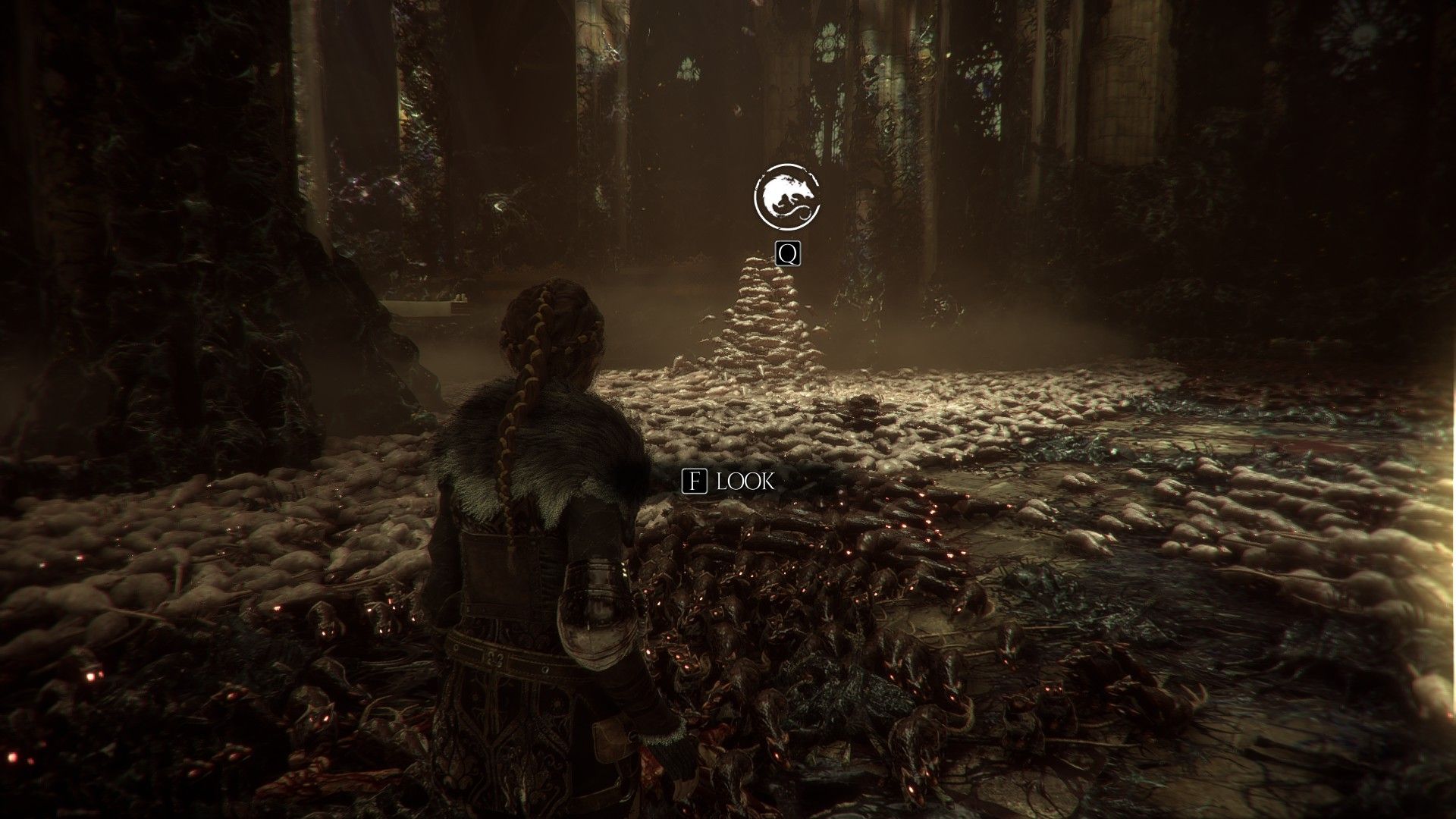
– Setting: This is the climactic encounter of the game, where Amicia and Hugo confront Vitalis, who wields supernatural control over the rats and wishes to harness Hugo’s powers for himself.
– Mechanics:
– Phase 1: In this stage, players need to manipulate the environment to amass large groups of rats and direct them toward Vitalis while keeping Amicia and Hugo from harm.
– Phase 2: Players will encounter environmental puzzles, such as the need to extinguish fire sources to let rats approach Vitalis or maintain flames to create safe zones for movement.
– Phase 3: The dynamics involve constant adjusting between safe areas and swarm danger. Players must use items, like pots and the slingshot, to manage the environment effectively.
– Supernatural Element: Vitalis’s abilities make close encounters risky, so the player must focus on controlling the rats indirectly while avoiding direct confrontation.
– Key Strategy: Maintain mobility, use the slingshot to extinguish flames from a distance, and harness Hugo’s abilities to direct the rats toward Vitalis, emphasizing the environmental manipulations needed to succeed.
—
General Tips for Inquisition Soldier Encounters
– Environmental Manipulation: Always seek opportunities to control light and dark environments. Extinguishing sources of light summons rats, while flames can repel them or create safe movement paths.
– Stealth and Positioning: Engaging Inquisition soldiers head-on is typically not viable. Stealth is essential; approach without detection and strike from afar when possible.
– Puzzle-Like Approach: Approach encounters as environmental puzzles rather than straightforward battles. Understand the patterns and mechanics of each boss or soldier to exploit their weaknesses effectively.
—
Summary Table
| Boss | Core Mechanics | Winning Strategy |
|——————–|————————————————————|——————————————————|
| Nicholas | Fire management, stealth, ranged attacks | Extinguish his torch, use rats, stay hidden |
| Vitalis | Environmental puzzles, rat swarms, supernatural abilities | Control rats, extinguish flames, use Hugo’s power |
These confrontations are pivotal to the storytelling and gameplay mechanics in A Plague Tale: Innocence, skillfully intertwining stealth, puzzle-solving, and narrative urgency, enhancing the player’s immersive experience.




Leave a Reply