
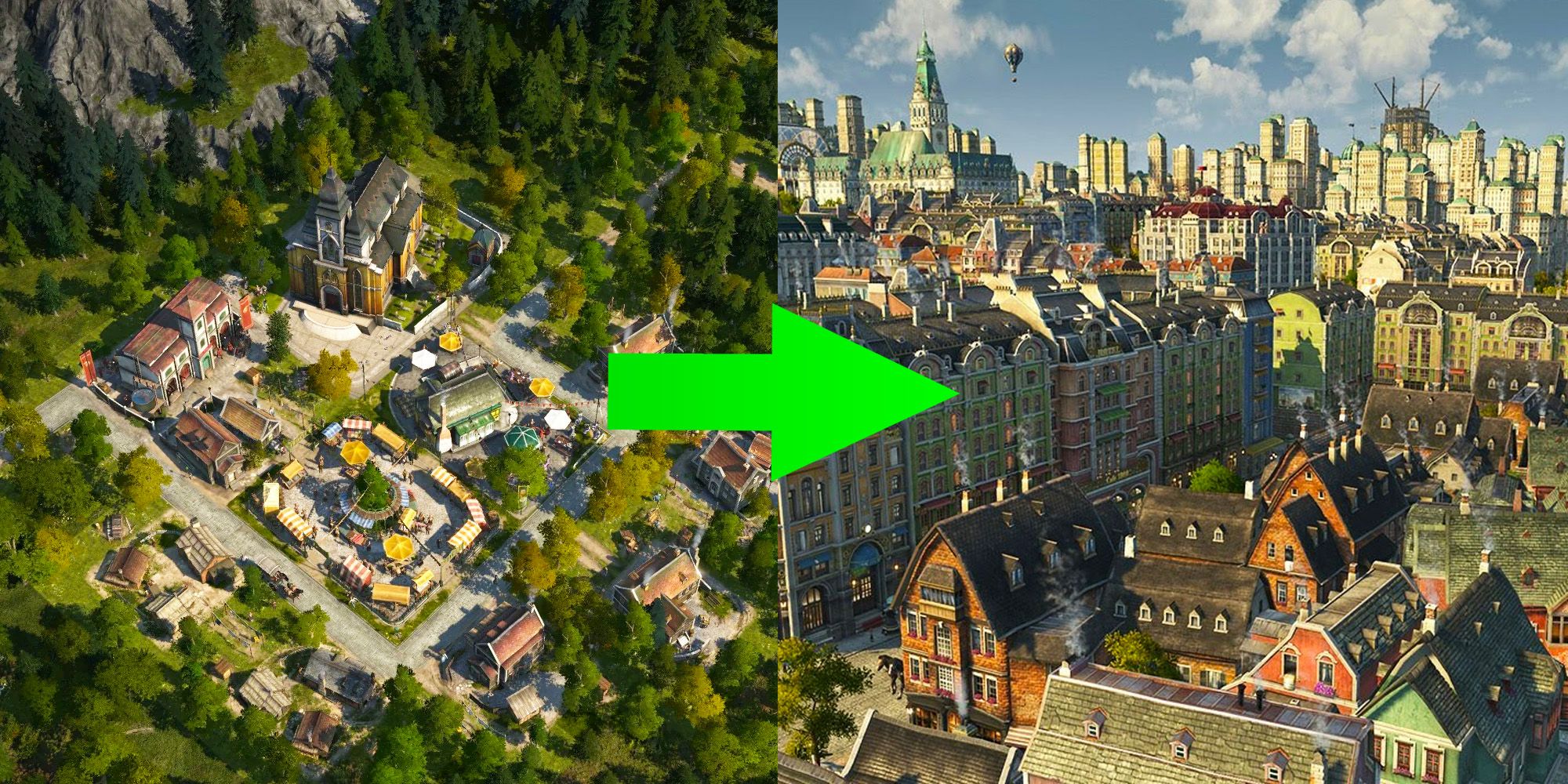
In Anno 1800, the growth and development of your city hinge on effectively managing the evolving needs of your population. Each population tier presents unique demands that increase in complexity as players advance, directly influencing city dynamics, economic health, and overall happiness. Below is a comprehensive breakdown of the population tiers, the evolution of needs within the game, and the related implications for gameplay.
Population Tiers and Their Needs
1. Progression Levels:
– The game categorizes the population into distinct tiers, starting with Workers, then transitioning to Farmers, and progressing through various stages up to Exploited Workers, Artisans, Engineers, and ultimately Investors.
– Each tier’s needs must be met for players to attract new inhabitants and facilitate growth.
2. Needs Fulfillment:
– As players advance through the tiers, the variety of needs increases. While newer titles may add entirely new categories of needs, Anno 1800 enhances the complexity of existing needs, which is essential for driving population growth, enhancing income, and improving happiness levels.
– Fulfilling these needs is not merely beneficial; it’s vital for unlocking new gameplay features and maintaining a healthy economy.
Evolution of Needs
1. Early Game:
– Initially, players focus on fundamental needs: food (such as bread and fish) and housing. Meeting these needs allows players to generate a basic workforce, setting the foundation for economic development.
– Satisfying these initial needs is crucial for the growth of the Workers tier, enabling players to expand their urban landscape.
2. Mid-Game:
– Upon reaching the Farmer tier, additional needs emerge. These include essential goods such as tools and clothing, alongside public services like fire stations and hospitals.
– Fulfilling these new needs is pivotal, as it directly influences the city’s productivity and satisfaction levels, which in turn affects overall economic stability.
3. Late Game:
– As players progress further, higher tiers introduce sophisticated demands that include luxury goods (such as roasted coffee, chocolate, and various crafted items) and advanced services.
– Specialized infrastructure, such as markets and universities, becomes necessary to meet these needs, reinforcing the requirement for a well-planned economy.
Implications for Gameplay
1. Economic Growth:
– Addressing the evolving needs of the population is critical for expanding the city’s workforce. With a growing population, players can construct more buildings and services, unlocking greater economic potential.
– A robust and harmonious balance of fulfilled needs expands the technological and industrial capabilities of the city.
2. Happiness and Satisfaction:
– A happy population is fundamental to maintaining a stable city. Meeting diverse needs boosts contentment levels among citizens, while failure to do so can lead to unrest, protests, and economic decline.
– High levels of happiness also foster a more loyal and productive workforce.
3. Strategic Decision-Making:
– Players must make informed and strategic decisions regarding resource allocation and production chain management. As needs evolve, players must adapt to optimize output and ensure that all tiers are satisfied.
– This strategic layer adds depth to gameplay, as players navigate the complexities of supply, demand, and urban planning.
Conclusion
As players navigate the world of Anno 1800, they must continuously adapt their strategies to meet the increasingly complex needs of their population. While new categories of needs may not be introduced, the game’s design reflects a sophisticated evolution of demands connected to each tier’s advancement. Success in the game hinges on players’ ability to manage resources effectively while maintaining a balance that fosters growth, happiness, and stability. This intricate interplay of needs and strategic resource management is what makes Anno 1800 a compelling simulation experience.


Leave a Reply