
Automating inter-island logistics in Anno 1800 through effective use of charter routes and trade ships is crucial for maintaining resource efficiency and supporting economic growth. Here’s a comprehensive guide to help you streamline your logistics network:
Setting Up Trade Routes
1. Accessing Trade Routes:
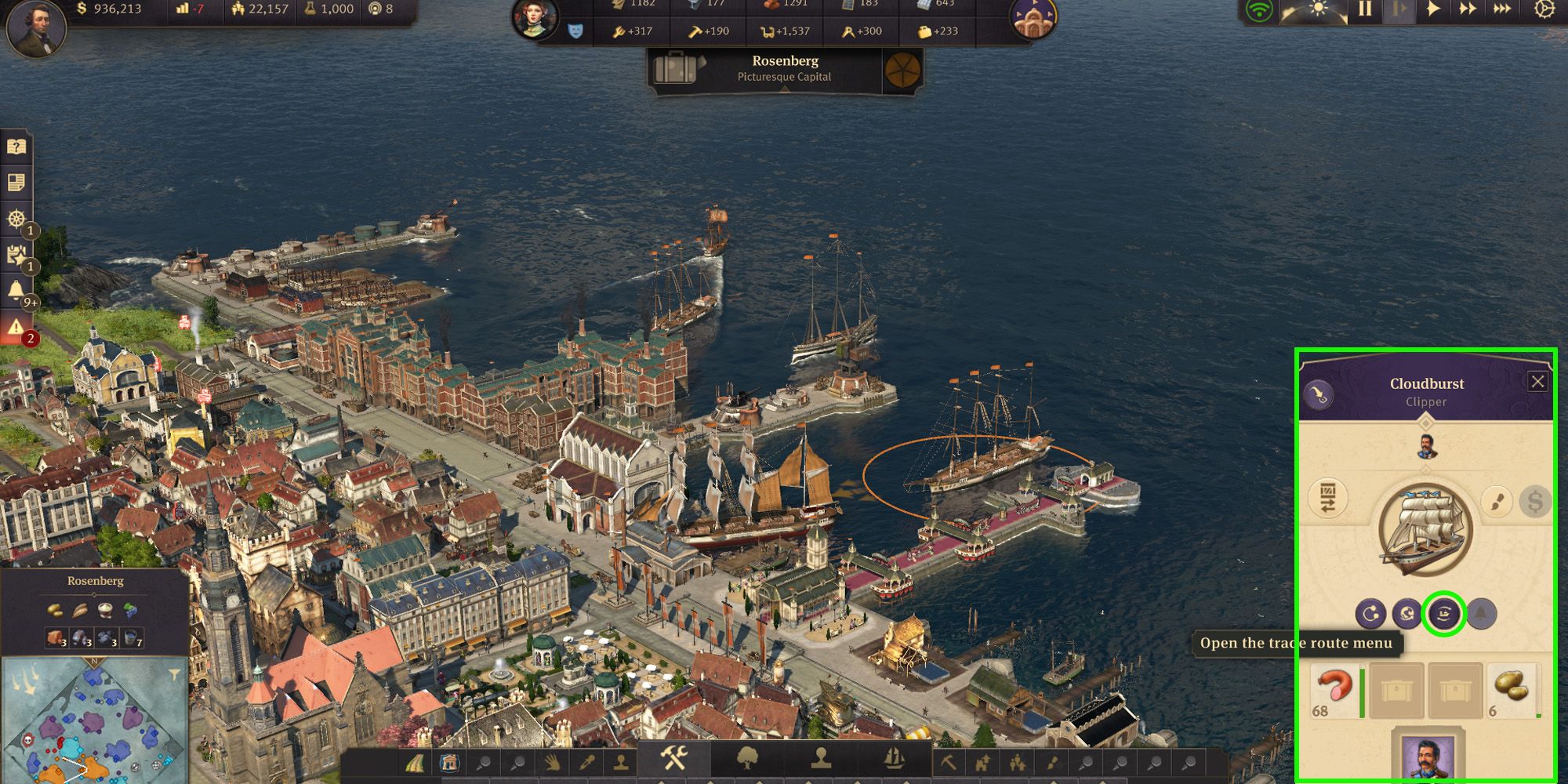
– Navigation: Open the Trade Routes screen by clicking on any allied ship. This user-friendly interface allows you to oversee and manage your trading operations with ease.
2. Defining Routes:
– Custom Routes: Create custom trade routes by assigning specific ships to transfer goods between islands, such as from your Old World islands to your New World territories. This customization allows for targeted resource management.
3. Route Configuration:
– Pickup and Drop-off: For each trade route, choose the specific goods to be picked up from one island and the designated drop-off location. Pay attention to production capabilities and local demand to optimize the flow of resources.
Using Charter Routes and Trade Ships
Regional Hubs and Balancer Routes
1. Establish Regional Hubs:
– Centralized Distribution: Set up regional hubs on major islands where goods can be accumulated. These hubs will streamline the collection of resources from production islands and facilitate redistribution to nearby areas.
2. Implement Balancer Routes:
– Ensuring Supply: Design balancer routes to deliver necessary goods from regional hubs to all islands. This method helps maintain balanced stock levels, ensuring that no island suffers shortages while others have excess stock.
Managing Ship Capacity and Route Optimization
1. Monitor Ship Capacity:
– Assessing Needs: Keep track of trade ship capacities to ensure they are adequately equipped for their routes. If you notice consistent overloading, consider expanding your fleet or upgrading to larger ships to maintain efficiency.
2. Optimize Routes:
– Efficiency in Delivery: Evaluate each trade route for travel time and frequency of delivery. Regular deliveries will help meet island demands effectively, preventing stock issues and improving resource availability.
Pier Management
1. Strategic Pier Placement:
– Minimize Distances: Place piers carefully around your islands to reduce travel times. A well-placed pier ensures that ships will always choose the shortest route, enhancing overall efficiency in your logistics network.
2. Reduce Congestion:
– Avoiding Bottlenecks: Disperse your piers to minimize congestion during ship arrivals and departures. Efficient pier management prevents delays in trade, improving overall throughput.
Additional Tips
– Automation: Utilize the automated trading capabilities within Anno 1800. This reduces the need for manual adjustments and responses, allowing for a more hands-off approach to logistics management.
– Resource Monitoring: Regularly check resource availability to prevent overstock or shortages. Be proactive in adjusting trade routes to align with changes in production rates or market demand.
– Diversification of Goods: Incorporate a variety of goods into your trade routes. This not only stabilizes your economy but also ensures that you can cater to the diverse needs of industries throughout your islands.
Conclusion
By following these comprehensive strategies for automating inter-island logistics, you can create an efficient and responsive trading network in Anno 1800. This not only ensures a steady flow of resources across your empire but also supports sustained economic growth and development. Make data-informed decisions to continuously refine your routes and operations, adapting to the evolving needs of your islands.



Leave a Reply