
In Anno 1800, ensuring that your upper-class residents have a consistent supply of luxury goods is essential for their happiness and the sustainable development of your city. Here’s a structured approach to successfully maintain this supply while enhancing your gameplay experience:
Understanding Luxury Goods
Luxury goods, while optional, play a crucial role in increasing the satisfaction of your upper-class population. Key items typically include:
– Perfume
– Jewelry (e.g., watches)
– Fine Wine
These goods are critical for boosting the overall morale of your citizens, leading to a more prosperous city.
Steps to Maintain a Steady Supply of Luxury Goods
1. Build Production Facilities
– Identify Required Buildings: Construct necessary facilities such as perfume factories or jewelry workshops tailored to the luxury goods you plan to produce.
– Upgrade Infrastructure: Enhance production capacity by upgrading existing facilities when necessary.
2. Manage Resource Input
– Secure Raw Materials: Set up farms, mines, and trade routes to ensure a reliable input of raw materials. For instance:
– Perfume Factory: Requires plants like Jasmine and access to Oil.
– Jewelry Workshops: Need Gold and Silver ores.
– Shortage Prevention: Always have a stock of essential raw materials to avoid production halts.
3. Balance Production and Consumption
– Monitor Supply-Demand Ratio: Regularly check the production and consumption metrics for luxury goods. This can prevent both overproduction, which can lead to waste, and shortages that affect citizen happiness.
– Dynamic Adjustments: Be prepared to adjust your production levels based on consumer needs and storage capacities.
4. Utilize Trade
– Establish Trade Routes: If your production is insufficient, create trade routes to import luxury goods from other islands or players. Engage with AI traders like Archibald for specialized goods.
– Trade Agreements: Form alliances or trade agreements for the steady supply of vital luxury goods.
5. Storage and Logistics
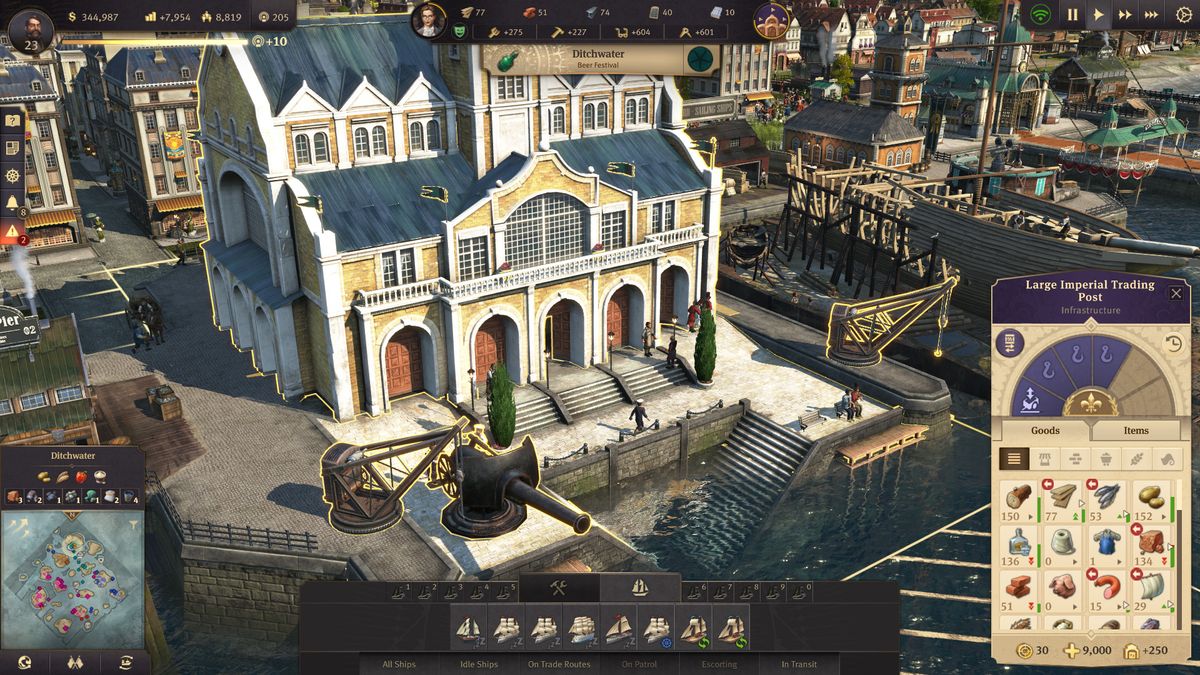
– Expand Storage Facilities: Invest in warehouses and storage units that can accommodate your luxury goods effectively. Having ample storage prevents bottlenecks in production and distribution.
– Logistical Efficiency: Optimize your logistics to ensure that goods are moved quickly and efficiently from production sites to storage and consumer markets.
6. Monitor Citizen Happiness
– Regular Feedback Checks: Keep an eye on citizen happiness indicators. If they lack access to luxury goods, their satisfaction will decline, impacting productivity and growth.
– Address Needs Promptly: Respond swiftly to falling happiness levels by scaling up production or enhancing trade efforts.
7. Expansion and Upgrades
– Plan for Growth: As your city expands, reassess your production needs. Upgrade existing facilities to improve efficiency and capacity.
– Market Adaptation: Be ready to pivot your production strategy based on changes in citizen demands or resource availability as new islands are explored.
Tips for Efficient Luxury Goods Management
– Avoid Overbuilding: Focus on producing goods that are in critical demand while maintaining a reasonable output based on resource availability and production times.
– Monitor Economic Indicators: Keep an eye on profitability, and make adjustments based on which luxury goods are yielding the best returns after considering production expenses and taxes.
– Diversify Economy: Broaden your economic portfolio by producing various goods—not just luxury items. This balance will help sustain your overall economy and ensure continuous income streams.
Conclusion
By implementing these structured steps and thoughtful strategies, you’ll be well-equipped to meet the luxury needs of your upper-class citizens, ensuring their happiness and contributing to the overall growth of your city in Anno 1800. Playing strategically and reacting to economic and social changes will lead to a thriving metropolis that stands the test of time.



Leave a Reply