
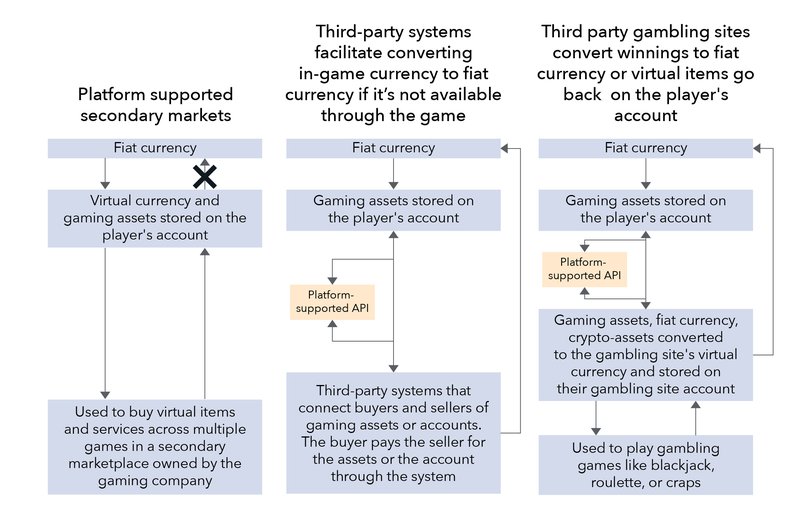
In the realm of gaming, virtual money serves a critical role as in-game currency that players utilize for various transactions, such as purchasing items, enhancing skills, or acquiring new features within the game. This form of currency allows players to engage with the gaming environment more deeply and adds a layer of strategic decision-making regarding resource allocation. The design of in-game economies can significantly influence player experience and engagement, making the management of virtual funds a key aspect of gameplay.
On a broader scale, the concept of money as a medium of exchange extends beyond gaming, embodying both tangible and digital forms in our daily lives. It is categorized into different metrics like M1, M2, and M3, which delineate the varying degrees of liquidity and availability of financial assets. Understanding both virtual and traditional forms of currency is essential for appreciating the economic systems in place, whether within a gaming context or the wider market. If there’s a specific game or context you had in mind regarding money, further details could lead to a more tailored discussion.

:max_bytes(150000):strip_icc()/digital-currency.asp-final-f5ad5fc0a160498ea38abe4e62ac7ec6.png)
Leave a Reply