
Diplomacy in Anno 1800: A Comprehensive Overview
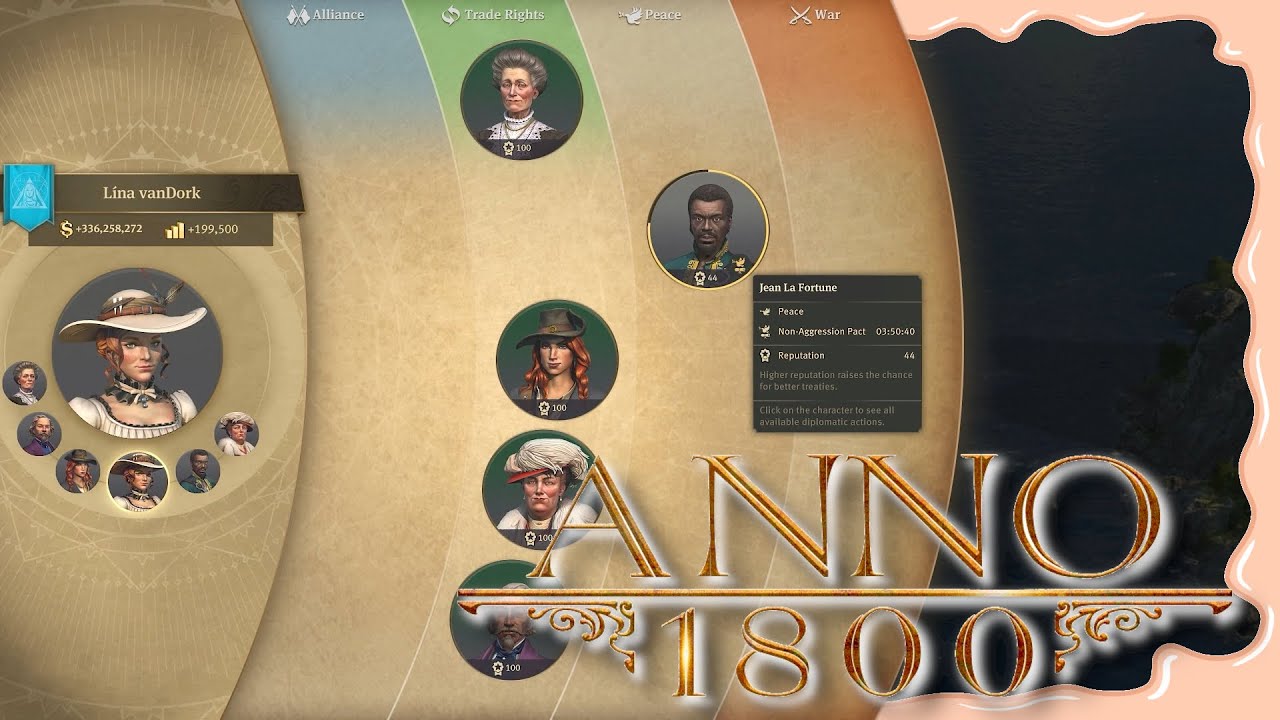
In “Anno 1800,” diplomacy plays a vital role in shaping the player’s interactions with AI-controlled factions, fundamentally influencing not only trade and alliances but also the wider geopolitical landscape of the game. Understanding and strategically leveraging the diplomatic mechanisms can lead to thriving mercantile empires and secure relationships with other factions.
Role of Diplomacy
Diplomacy is your gateway to a range of interactions with other factions, from establishing trading partnerships to initiating conflicts. Building a solid reputation is paramount, as it directly affects how other factions perceive your moves and decisions. A strong, positive reputation may open doors to lucrative alliances and cooperation, while a negative one can lead to distrust, trade restrictions, or outright hostility.
Key Aspects of Diplomacy
1. Reputation System:
– The reputation you cultivate with each faction is fluid and responsive to your actions. Engaging in beneficial trade and positive interactions raises your standing. On the flip side, hostile actions, such as declaring war or breaking trade agreements, can swiftly deteriorate it.
2. Interactions with AI Factions:
– Compliments and Gifts: Building goodwill can often be achieved through compliments and gifts. Presenting valuable items, such as gold, can greatly enhance relationships.
– Insults: While not advisable, insults can be directed at factions to instigate conflict or dissatisfaction, although the ramifications are generally negative.
– Trading and Alliances: Trading acts as a cornerstone of diplomacy, fostering trust. Establishing formal alliances with favorable terms can significantly bolster your position on the map.
3. Quests and Requests:
– AI factions frequently propose quests or tasks. Completing these not only improves your reputation but may also yield unique rewards, enhancing your strategic resources or providing advantages in the game.
4. Military Aspects:
– The display of military might can impact diplomatic relations in a nuanced way. Some factions may respect or even align with a show of strength, whereas others may feel threatened, affecting your standing. It’s important to gauge individual faction preferences and reactions based on their unique characteristics.
Influencing AI Factions
To effectively engage and influence AI factions, consider the following strategies:
– Tailor Your Approach: Each faction has its states of preferences and apprehensions. Understanding these nuances—like Jean La Fortune’s affinity for naval expansion versus Princess Qing’s caution towards military growth—allows you to strategize your diplomatic interactions more effectively.
– Engage in Trade: Trading is often the quickest way to bridge gaps between factions. By frequently exchanging goods, you can foster trust and goodwill, leading to more favorable relations and potential alliances.
– Monitor and Adapt: The diplomacy interface provides a wealth of information about your relationships with other factions. Regularly reviewing these standings enables you to adapt your strategies in response to fluctuating diplomatic climates and shifts in AI behaviors.
Conclusion
Mastering the art of diplomacy in “Anno 1800” can be the key to achieving success in the game. By understanding the dynamics of the reputation system, effectively engaging with other factions through compliments, gifts, trade, and quests, and showcasing military strength judiciously, players can cultivate powerful alliances and expand their influence. Careful monitoring and adaptation to changing relationships are essential in navigating the complex world of diplomacy to achieve your overall game objectives.


Leave a Reply