
In Anno 1800, the economic systems of the Old World and New World are intricately designed, reflecting the historical contrasts between these two regions during the 19th century. Each region requires distinct management strategies due to their differing population structures and production capabilities, impacting overall gameplay and empire building.
Workforce and Population Structure
Old World
The Old World has a more intricate workforce structure comprised of five population tiers: Farmers, Workers, Artisans, Engineers, and Investors. Each tier is associated with specific housing needs and production capabilities, thereby shaping the economic landscape as follows:
– Population Tiers:
– Farmers provide the basic labor and food production.
– Workers serve in factories and transport goods.
– Artisans create higher-end products.
– Engineers manage advanced production processes.
– Investors drive luxury demands and high-value goods.
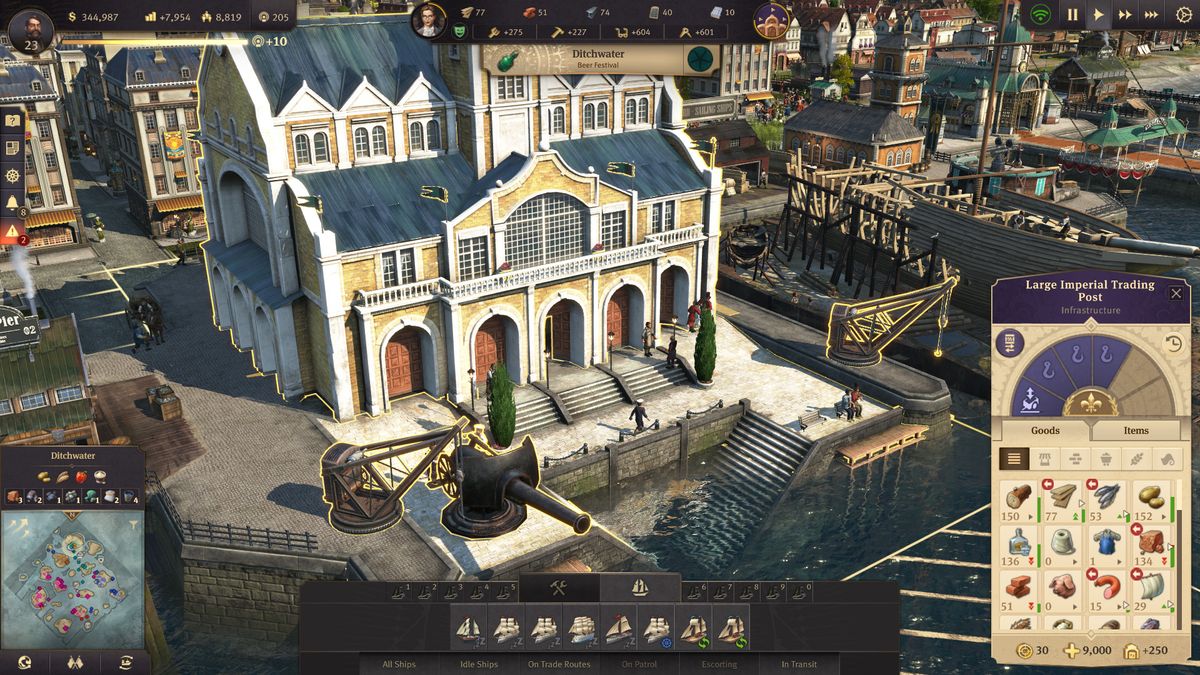
– Production Needs: The Old World has a high demand for a variety of goods, including essentials (bread, sausages, and beer) and more advanced items like sewing machines, coffee, and chocolate. Notably, several goods, such as sugar and cotton, are imported from the New World to meet these demands.
New World
In contrast, the New World’s workforce is more streamlined, consisting primarily of two tiers: Jornaleros and Obreros. This simplicity facilitates different production needs:
– Population Tiers:
– Jornaleros represent the lower labor tier, engaging in basic agricultural and raw material production.
– Obreros represent the higher tier and are responsible for intermediate goods.
– Production Needs: The New World focuses on generating raw materials (like cotton, sugar, coffee, and rum) that are often exported back to the Old World for processing and consumption, thereby playing a crucial role in the overall economy.
Resource and Production Chain Differences
The differences in resource types and production chains between the regions are significant:
| Feature | Old World | New World |
|————————|————————————————–|————————————————|
| Main Resources | Grain, hops, livestock, iron, coal, oil | Cotton, sugar, gold, coffee, cacao, limestone |
| Production Chains | Complex, producing high-tier goods (beer, soap, cannons) | Simpler, focused primarily on raw materials (cotton, sugar) |
| Goods Exported | Manufactured goods (beer, soap, weapons) | Raw materials and specialty goods (rum, coffee) |
| Goods Imported | Sugar, coffee, cotton (from New World) | Finished goods (soap, weapons, manufactured) |
Old World
The Old World’s economic diversity necessitates a variety of factories and intricate supply chains. This region focuses on advanced industries, balancing the production of both high-demand consumer goods and luxury items. This reliance on the New World for specific raw materials underscores the interdependency between the two regions.
New World
The New World’s production is less complex and revolves around supplying raw and semi-processed goods to the Old World. Despite the fewer production tiers, the need for specialized labor remains critical, especially as many resources are crafted into finished goods to be shipped back to the Old World.
Efficiency and Strategy
Strategic management practices differ between the two regions:
Old World
– Mass Production: Players can optimize production efficiency through trade unions and layout planning, crucial in densely populated urban areas.
– Workforce Management: Success requires balancing the needs and benefits across the various population tiers, ensuring that each class has the appropriate supply of resources and products.
New World
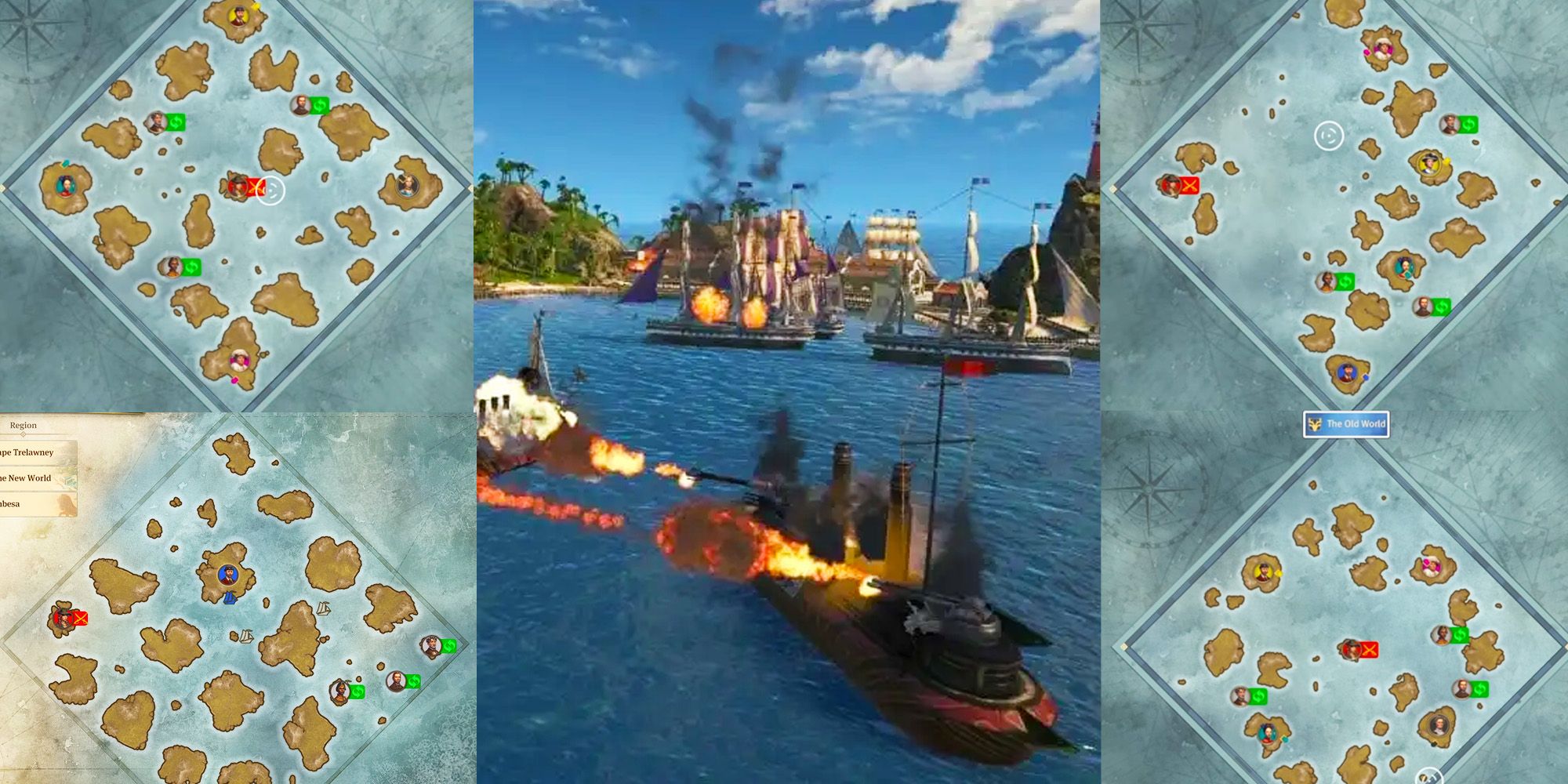
– Scalability: While mass production is possible, it is often constrained by spatial limitations on islands, prompting players to find the most efficient setups.
– Workforce Management: Balancing the workforce is essential to prevent overpopulation. Players must adjust their workforce based on production needs and available land.
– Outsourcing: Players often delegate certain production processes (like beer or schnapps) to specialized islands to streamline logistics and production outputs.
Interdependency
The economic relationship between the Old World and New World is characterized by mutual reliance:
– The Old World relies heavily on imports from the New World to satisfy advanced consumer needs and produce luxury goods. Raw materials such as sugar, coffee, and cotton are indispensable for crafting chocolate, clothing, and other products sought by the higher tiers of population.
– Conversely, the New World depends on certain goods from the Old World to facilitate progress in its production capabilities, though this dependency is not as pronounced.
Summary Table
| Area | Old World | New World |
|—————|—————————————————–|———————————————|
| Workforce | Farmers, Workers, Artisans, Engineers, Investors | Jornaleros, Obreros |
| Main Goods | Manufactured, luxury, advanced goods | Raw materials, basic processed goods |
| Chains | Complex, multi-tiered | Simpler, focused on exports |
| Dependencies | Needs New World raw materials | Needs Old World for some advanced products |
| Strategy | Optimize compact production, balance workforce | Centralize production, minimize excess population |
Conclusion
Navigating the economic intricacies of the Old World and New World in Anno 1800 demands strategic foresight and adaptability. Players must carefully balance the strengths and weaknesses inherent in each region, leveraging the distinct production capabilities while managing the workforce effectively to maintain a prosperous empire.

Leave a Reply