
In Baba Is You, the innovative rule-manipulation mechanics offer players a unique way to tackle puzzles by creating, modifying, and interpreting rules that dynamically alter the game world. While the “Has” keyword doesn’t directly produce objects when others are destroyed, it serves a crucial role in establishing relationships between objects, which can be creatively leveraged in your problem-solving approach.
Understanding Rules in Baba Is You
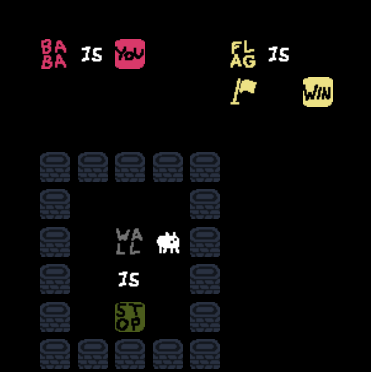
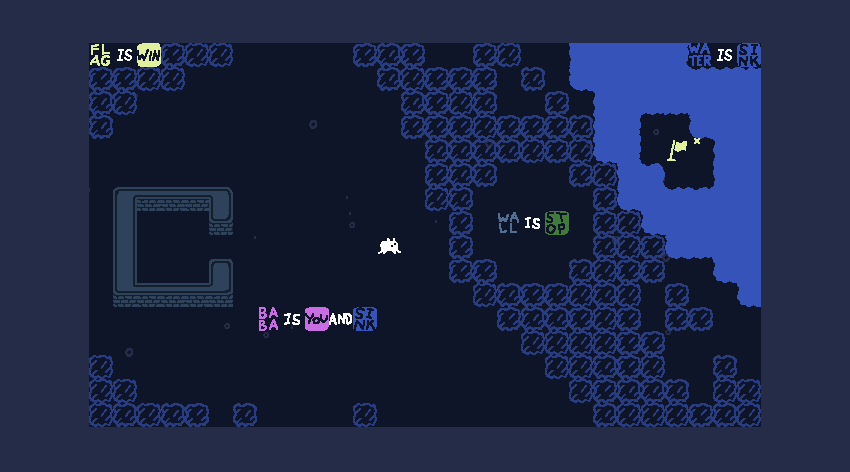
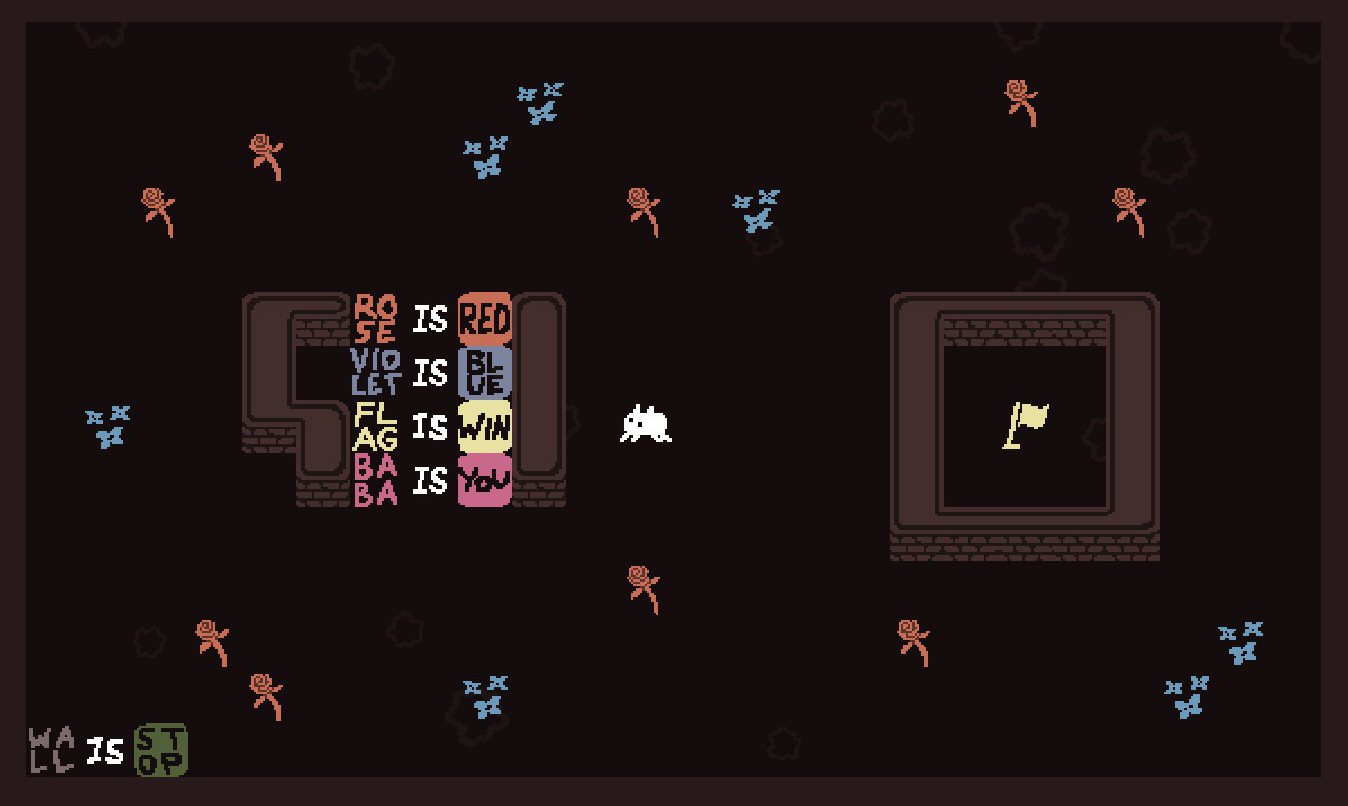
1. Rule Format: The basic format of rules is “X is Y,” where:
– X represents a noun (like “Baba”, “Wall”, “Key”).
– Y represents a property, action, or state (such as “Push”, “Win”, “Has”).
2. Creating and Modifying Rules: Players can create rules by approaching rule statements on the screen. By interacting with these rules, you can update the properties of objects or even redefine what they are. For example, if you manipulate the rule to make “Baba is Win,” you immediately transform Baba into the winning condition.
3. Rule Prioritization: The positioning of rules is vital; rules that are later in the order take precedence over earlier ones when conflicts arise. This priority-setting allows players to control outcomes strategically.
Using Rules to Manage Objects
To generate new objects in place of destroyed ones, you must think laterally and employ combinations of existing rules creatively. Here’s a structured approach to achieving this:
1. Identify the Desired Outcome: Establish what you want to happen after an object is destroyed. For example, if you want to replace a “Rock” with a “Flag,” you need to define a plan that facilitates this transition.
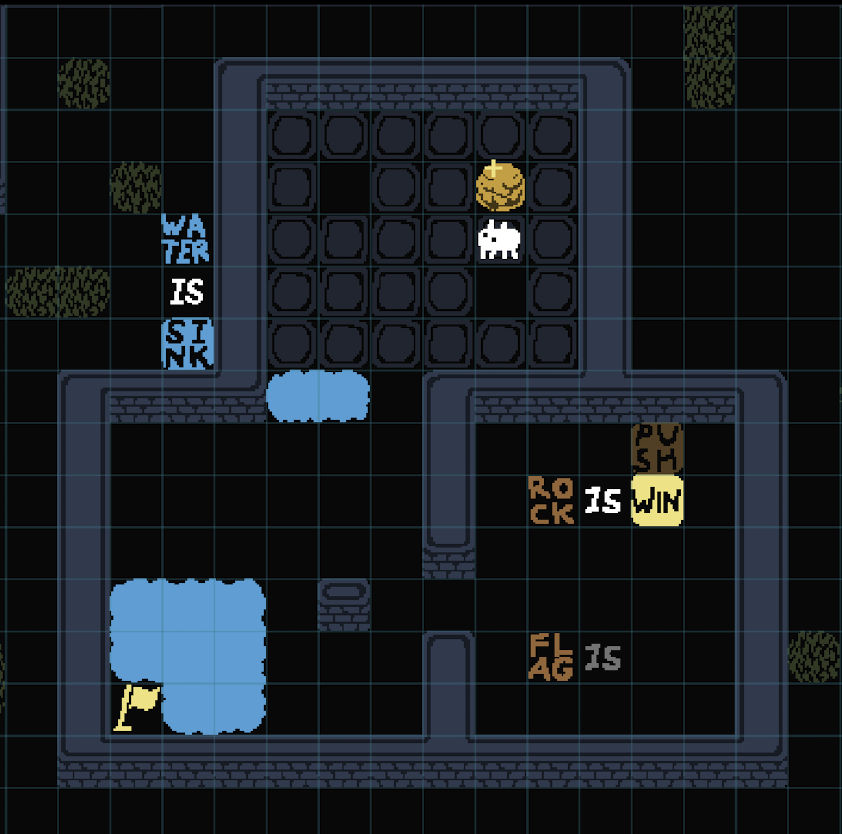
2. Set Up Initial Conditions: Before destroying any object, ensure that the relevant rules are set up to manage the change you want to create. This could include having rules like “Rock is Push” and “Flag is Has” defined in a way that they can interact when the “Rock” is eliminated.
3. Dynamic Rule Manipulation: Given the nature of Baba Is You, you can adjust rules dynamically based on interactions:
– Use a clause like “Rock is Push” to clear or move the Rock when needed.
– Introduce conditions such as “Flag is Has” so that once the Rock is removed, any other mechanism (like an adjacent rule or environment interaction) can produce or reveal the Flag based on the previous state of having the Rock.
4. Experimentation and Creativity: The essence of Baba Is You is built around trial-and-error. Tinker with various setups to find unexpected rule interactions that lead to the creation or appearance of new objects. Utilize the existing mechanics in innovative ways—think outside of conventional solutions.
Direct Approach to “How to Use ‘Has’ to Produce Objects”
While “Has” directly does not equate to producing new objects upon destruction, it can define states that allow objects to exist under certain conditions. The gameplay revolves around logical thinking and connections, where manipulating “Has” can set the stage for object appearances through the rules you establish or alter.
If you find yourself stuck, consider examining your current rules and rethinking how they might interact with the object you’re trying to control. The flexibility of the rule system means that, with a bit of creativity and persistence, almost any outcome might be achievable.
Conclusion
While Baba Is You may not explicitly permit direct object generation through the “Has” keyword upon destruction, understanding and manipulating rules is the key to creative problem-solving in the game. By strategically experimenting with rule combinations and prioritization, you can indeed create scenarios where the destruction of one object leads to the appearance of another, effectively achieving your goal without direct support from the game’s mechanics. Keep exploring and experimenting, as each puzzle provides an opportunity for new insights and creative solutions.

Leave a Reply