
In Baba Is You, the concept of rule layering is integral to the gameplay mechanics, allowing players to dynamically manipulate the puzzles through a sentence-based rule system. This unique approach not only enhances the complexity of the puzzles but also invites creative solutions as players learn to navigate and combine the rules that govern their interactions with various game elements.
Understanding Rule Layering
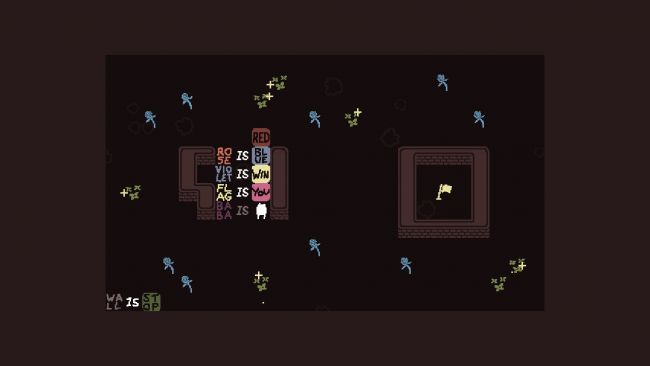
1. Basic Rule Structure: The fundamental structure of the game is built on simple declarative sentences such as “Baba is you” or “Wall is stop.” Each sentence corresponds to a specific property or behavior attributed to an object within the game world.
2. Layering Rules: The positioning and arrangement of these sentences on the game board are pivotal. They dictate how the behavior of objects can change based on which rules apply at any given time. For example, when “Baba is you” is active, the player controls Baba, while “Wall is stop” signifies that walls obstruct movement.
Effects of Multiple Rules
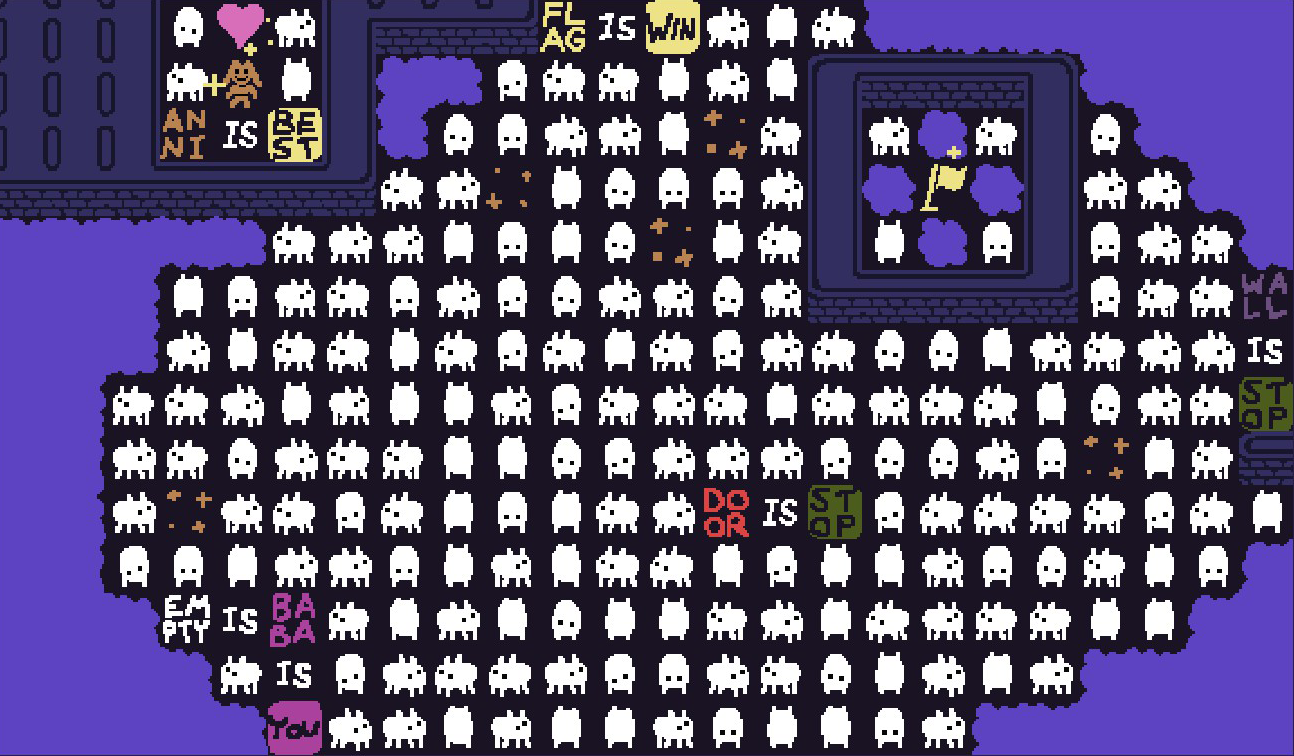
1. Overwriting Rules: Conflicting rules can lead to interesting dynamics, where the positioning of the rules determines which takes precedence. For instance, when “Wall is stop” and “Wall is you” coexist, the latter can replace the former, allowing walls to be manipulated as player characters if set up correctly. Conversely, if “Wall is stop” is more effectively aligned, it will enforce its blocking mechanic, restricting movement regardless of the active character.
2. Combining Rules: When multiple non-conflicting rules are present, they can work in tandem to yield more complex interactions. If both “Baba is you” and “Wall is you” are active, players can alternate between controlling Baba and walls, presenting unique strategic possibilities for solving challenges.
Example Scenario
Let’s break down a practical application of these concepts in a scenario:
– Active Rules:
– “Baba is you”
– “Wall is stop”
– “Wall is you”
In this situation, the player can move walls due to the presence of “Wall is you,” allowing for the creative manipulation of the game environment. However, walls will still behave as barriers unless they are being controlled by the player. If the player rearranges these rules to emphasize “Wall is you,” they can assume control over a wall at the cost of Baba’s agency. This illustrates how repositioning rules can lead to different gameplay experiences and puzzle-solving strategies.
Order of Operations
The sequence in which the game evaluates objects and rules is pivotal for effective gameplay. Objects are processed in a left-to-right and top-to-bottom order, meaning that players must consider how rules interact with the layout of the board. Understanding this order can provide strategic insights, allowing players to layer rules in a way that maximizes their potential.
Conclusion
In Baba Is You, rule layering serves as a compelling mechanic that allows for a rich tapestry of gameplay possibilities. By mastering the interactions of rules and their positioning, players can unlock innovative solutions to the game’s puzzles, fostering a deeper engagement with the game’s design. A meaningful grasp of how rules apply and overlap is essential for success in navigating the challenges presented throughout the game. This intricate relationship between rules not only enhances the complexity of Baba Is You but also makes every puzzle a unique intellectual endeavor.


Leave a Reply