
Dealing with powerful vassals who harbor animosity towards you in Crusader Kings III necessitates a calculated, multifaceted strategy. Maintaining stability within your realm and averting potential uprisings requires a blend of diplomacy, gift-giving, and, at times, intimidation. Below are various methods to manage discontented vassals effectively:
1. Lower Crown Authority
One of the most straightforward ways to appease disenchanted vassals is by lowering crown authority. By doing this, you grant vassals greater autonomy, reducing their feelings of being overruled. This reduction in your control can foster a sense of independence among your vassals, which may deter them from forming factions against your reign and ultimately lead to a substantial decrease in dissatisfaction.
2. Marriage Alliances
Marrying off family members to powerful vassals is another effective method of solidifying your position. Such marital alliances can forge new bonds and make it less likely for vassals to oppose your authority. Beyond political gain, these familial ties often enhance personal relationships, leading to an improved opinion of you among your vassals.
3. Host Feasts and Befriend Vassals
Social events like feasts provide a platform to enhance relationships with your vassals. By hosting feasts, you create a positive environment that can directly boost vassal satisfaction. Additionally, actively working to befriend vassals can foster loyalty and reduce the likelihood of rebellion. The investment of time and resources into these social gatherings can have significant long-term benefits for stability.
4. Use Titles and Rights Strategically
Careful manipulation of titles and rights can reshape the power dynamics within your realm. Revoking titles from problematic vassals can lessen their military capabilities and influence, while granting them additional rights, such as seats on the council, can foster goodwill. It’s crucial to balance these actions to avoid inciting further unrest.
5. Imprisonment and Hooks
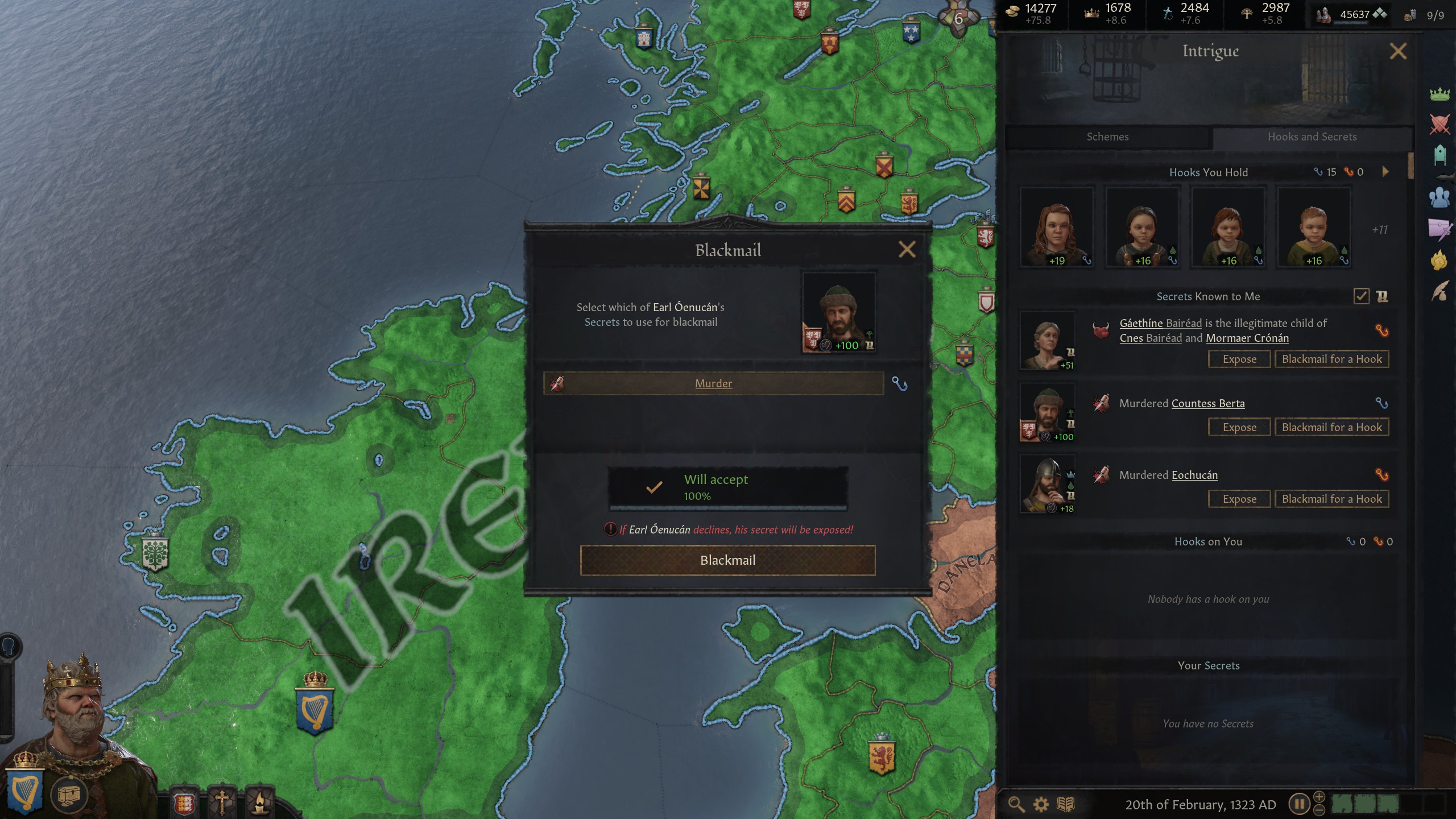
For particularly troublesome vassals, leveraging hooks to control their behavior may be necessary. Imprisonment or blackmail, though potentially taxing on your reputation, can neutralize threats before they incite rebellion. Exercise caution with this approach, as it can lead to tyranny and further resentment if not managed carefully.
6. Ruling through Fear
If diplomacy fails, instilling fear can be an alternative strategy. Adopting traits such as Arbitrary, Wrathful, or Sadistic may deter rebellious behavior, as vassals may think twice before challenging an authority that is willing to act ruthlessly. However, this tactic can lead to a range of consequences, including further alienation of your vassals over time.
7. Diplomatic and Economic Gifts
Lastly, utilizing gifts—be it gold or valuable items—can work wonders in mending weak relationships. Economic incentives not only improve vassal loyalty but can be used strategically alongside other methods to establish an atmosphere of mutual respect and trust.
Conclusion
In summary, managing powerful vassals with discontent in Crusader Kings III involves a careful balance of various approaches: diplomacy, social engagement, strategic manipulation of titles and rights, and potentially fear-based methods. By employing these strategies in tandem, you can cultivate a stable realm and avert rebellions, ultimately promoting a more harmonious rule.



Leave a Reply