
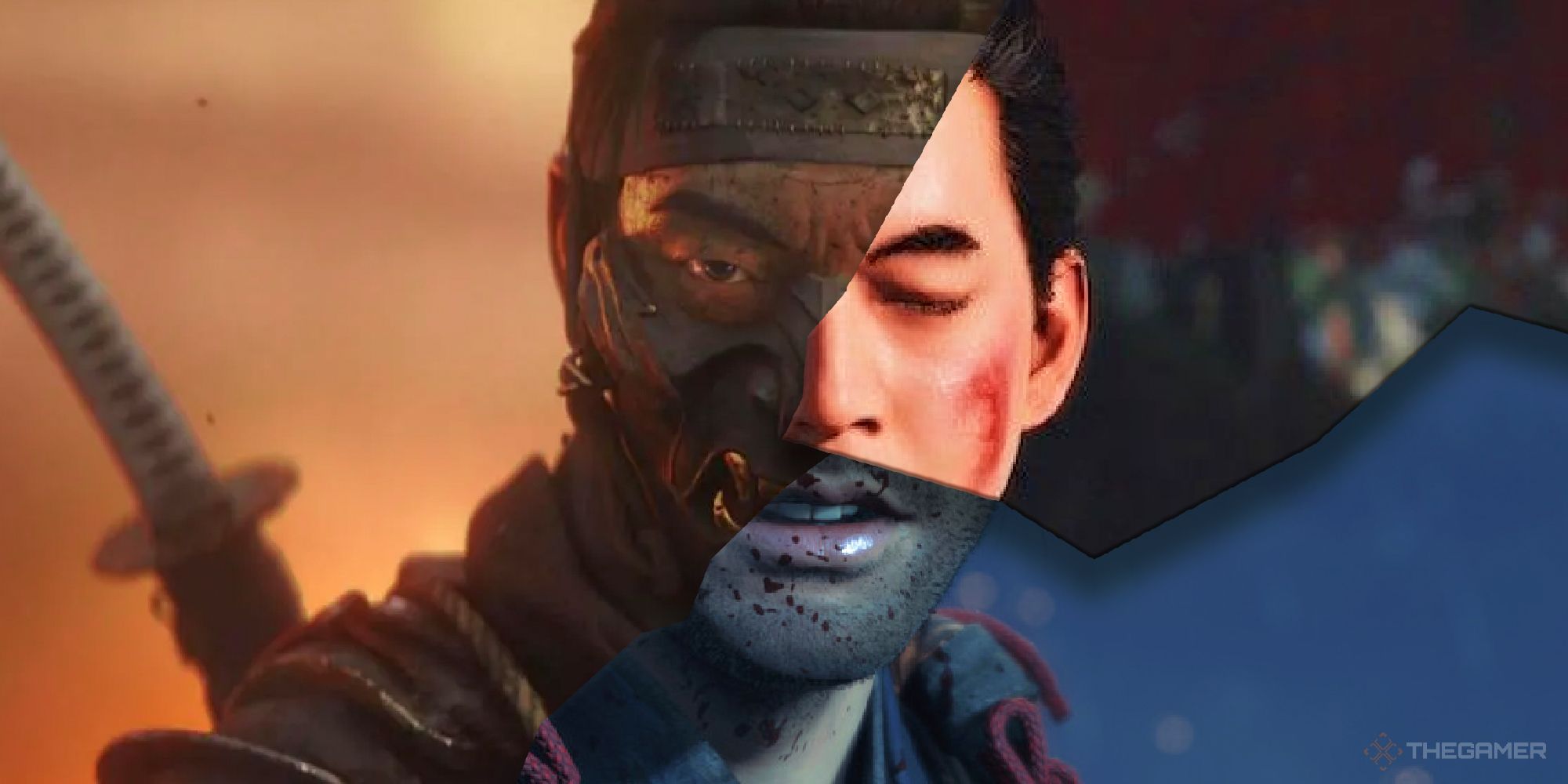
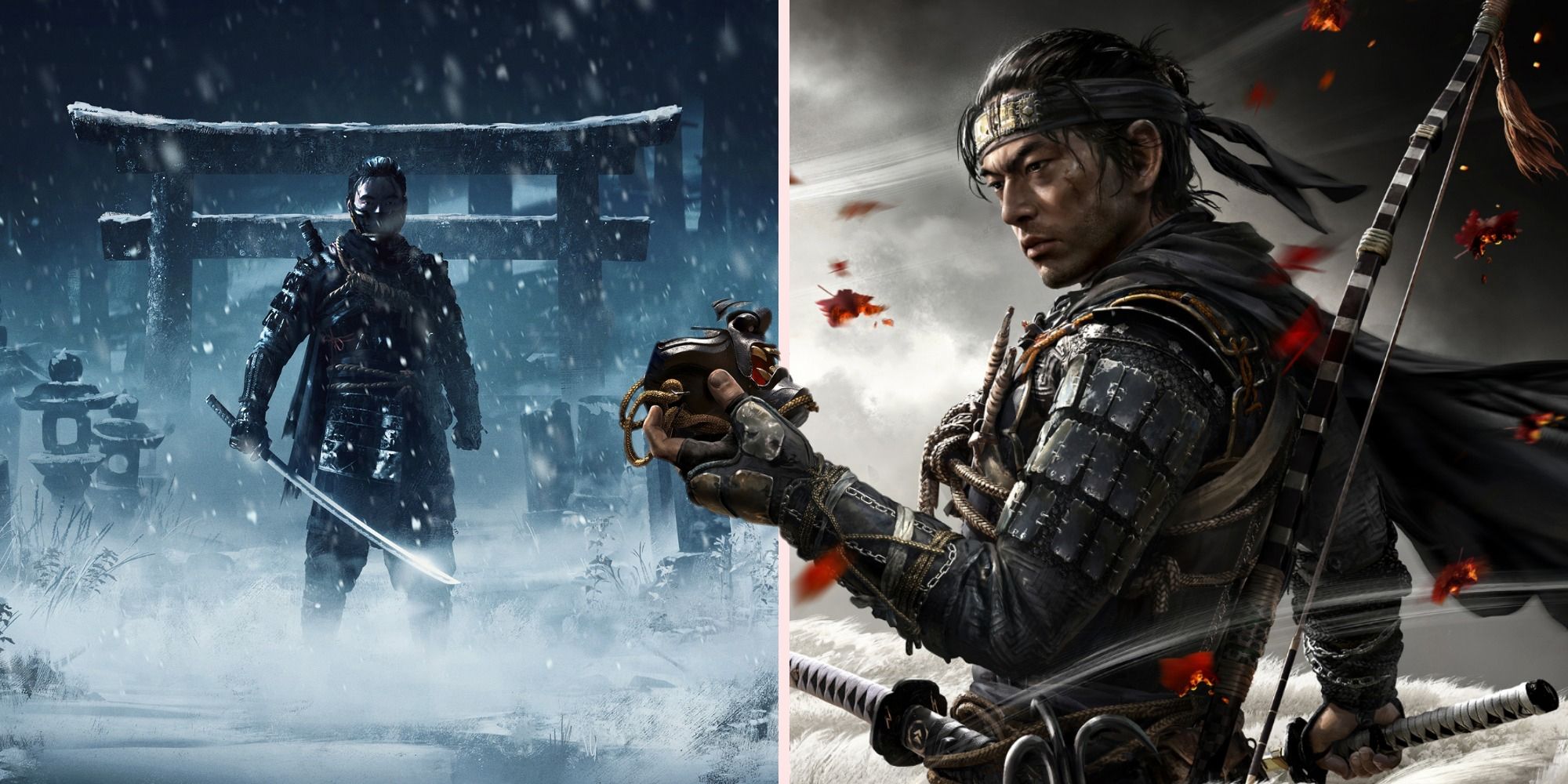
In “Ghost of Tsushima,” Jin Sakai’s character development presents a compelling exploration of honor, identity, and moral complexity against the backdrop of feudal Japan during the Mongol invasion. Initially, Jin embodies the ideals of bushidō, the samurai code that emphasizes loyalty, honor, and face-to-face combat. These values are instilled in him by his uncle, Lord Shimura, who serves not only as a mentor but also as a staunch protector of tradition. This adherence to a rigid code of conduct shapes Jin’s approach to warfare and his understanding of what it means to be a samurai.
However, as the narrative unfolds following the catastrophic defeat at Komoda Beach, Jin is forced to reassess the practicality of these traditional values. The brutal reality of the Mongol onslaught reveals the limitations of a code that does not adapt to the evolving nature of warfare. In a stark contrast to the samurai’s honorable engagements, the Mongols employ ruthless and unpredictable tactics. This clash ignites a profound internal conflict within Jin, leading him to adopt guerrilla warfare strategies and embrace skills traditionally deemed dishonorable, such as stealth and deception. Under the moniker “The Ghost,” Jin becomes a symbol of fear for the Mongol forces, effectively using tactics that are both strategic and psychologically unsettling for his enemies.
Jin’s transformation reflects a broader existential struggle: he must navigate the chasm between his samurai upbringing and the reality of his circumstances. On one hand, he believes in the essential need to protect his home and people, which necessitates employing methods his upbringing denounces. On the other hand, this shift toward a more pragmatic approach puts him at odds with the very principles that define his identity as a samurai. His interactions with Lord Shimura serve as a poignant highlight of this internal conflict; Shimura views Jin’s actions not only as a betrayal of the samurai code but also as a threat to the very essence of their way of life. His insistence on the importance of honor and a “good death” underscores a generational divide in their understanding of what it means to fight for one’s values.
As Jin wrestles with these conflicting identities, he begins to redefine honor for himself. He ultimately recognizes that honor may be less about conformity to a strict code and more about the outcomes of one’s actions—specifically, the lives saved and the people protected. This shift prompts a nuanced understanding of honor that challenges the traditional narrative of samurai ethics, suggesting that adaptability in the face of tyranny might be a greater virtue than rigid adherence to outdated codes.
Moreover, the game reflects a historical perspective that provides depth to Jin’s journey. While “Ghost of Tsushima” romanticizes aspects of samurai culture, it also acknowledges that historical samurai were not always bound by a strict moral code. Historical accounts often reveal that survival sometimes took precedence over adherence to an idealized form of honor. This tension between historical realism and mythic representation allows for a richer narrative, where Jin’s evolution is grounded in both a personal and a wider cultural context, ultimately portraying him not only as a warrior but as a hero navigating the complexities of honor, duty, and morality in a time of crisis.
In conclusion, “Ghost of Tsushima” serves as a narrative vehicle that explores significant themes of identity, honor, and the morality of warfare. Jin Sakai’s evolution from a traditional samurai to the mystical figure of “The Ghost” encapsulates the struggle between adhering to tradition and responding to the harsh realities of conflict. This transformative journey challenges players to reflect on the meaning of honor and the choices we make in pursuit of what is right, especially in times of overwhelming adversity.

Leave a Reply