
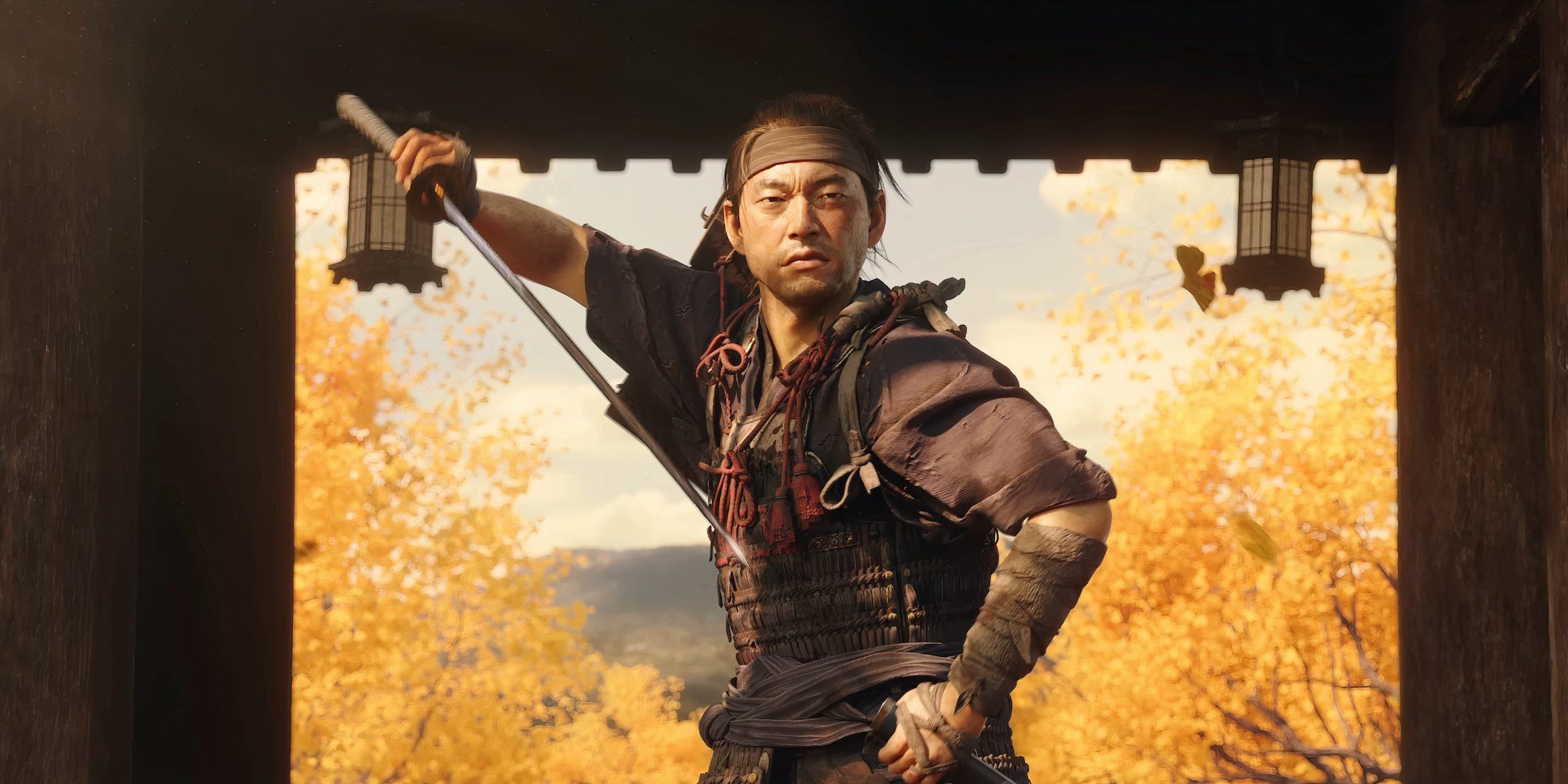
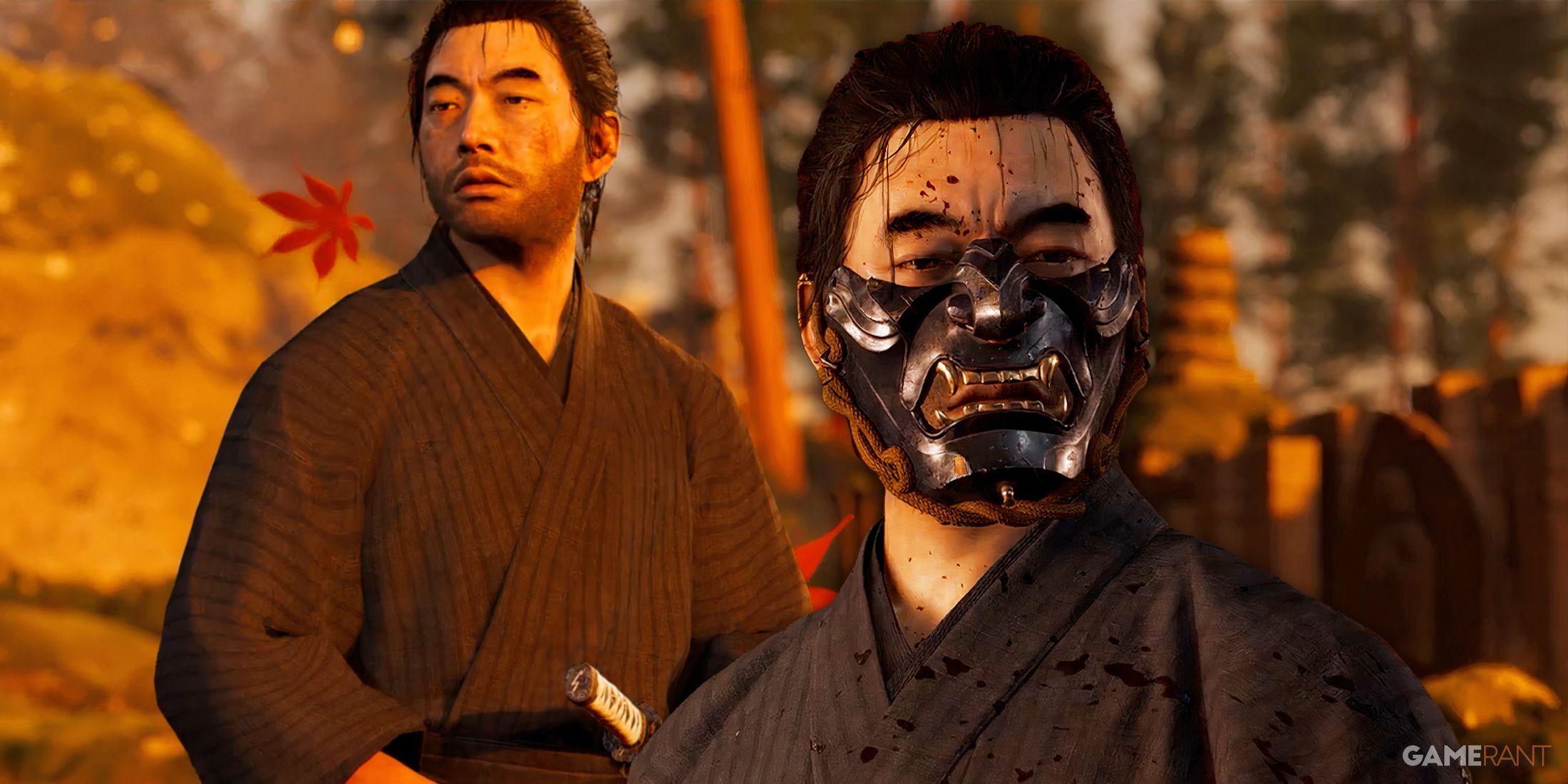
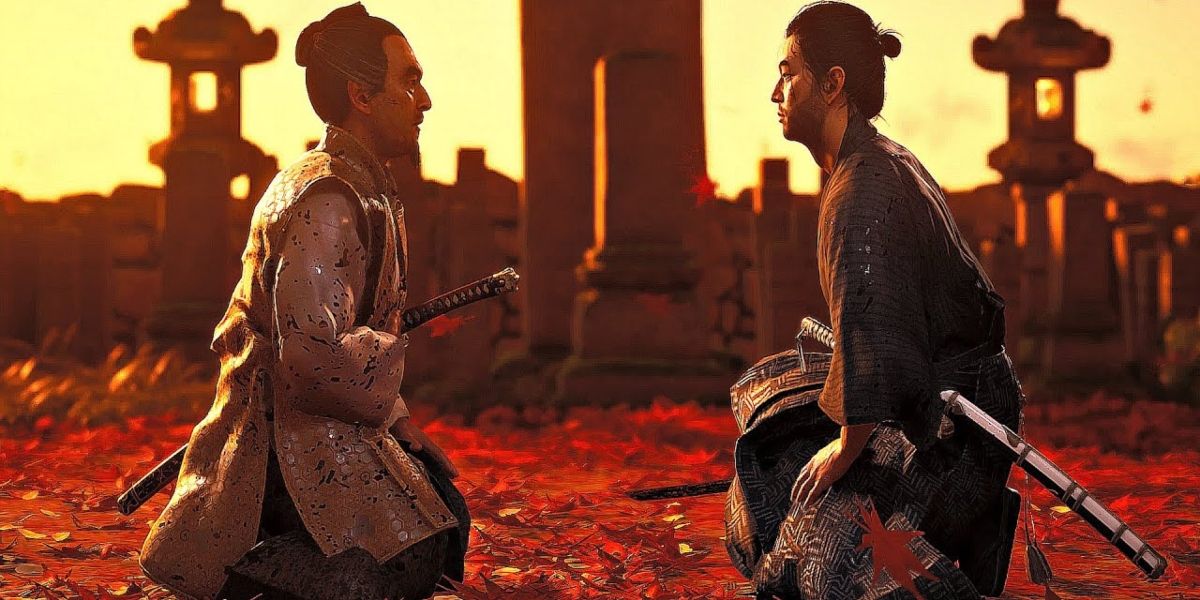
In Ghost of Tsushima, the player’s choice at the conclusion of the game plays a pivotal role in shaping the narrative arc and the evolution of the protagonist, Jin Sakai. The game presents two distinct endings, each laden with thematic weight and profound implications for Jin’s character and the overarching story.
1. Killing Lord Shimura (Honorable Path)
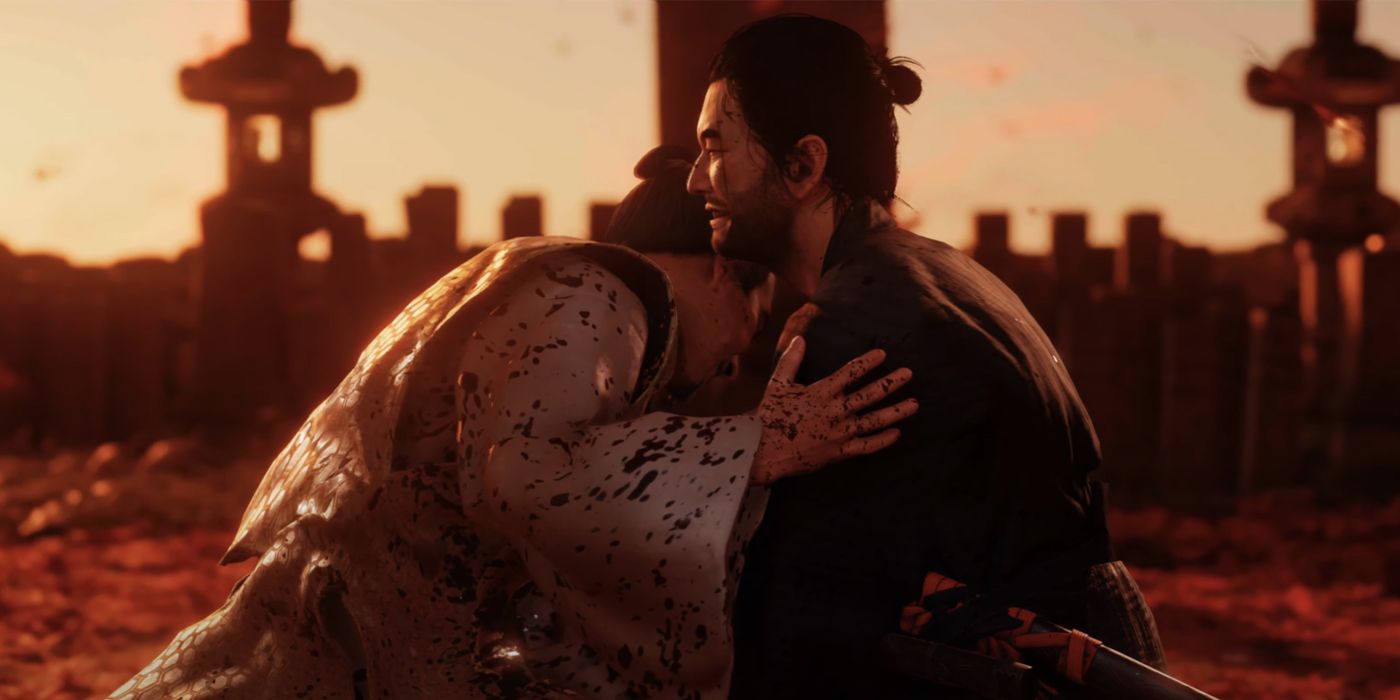
– Story Impact: By opting to kill Lord Shimura, Jin embodies the traditional principles of samurai honor. This choice acknowledges Shimura’s desire for an “honorable death,” symbolizing Jin’s acceptance of the burdens that come with his transformation into “The Ghost.” The act serves as a poignant farewell to his past life and familial ties, marking a significant transition from samurai to a more complex and morally ambiguous figure.
– Character Development: This decision catalyzes Jin’s internal conflict, forcing him to reckon with the loss of his family and the ideals he once held dear. The moment is crucial in Jin’s identity shift; he becomes not only a warrior for his people but also a ghostly figure who operates outside the confines of honor and tradition, emphasizing the sacrifices he must make to protect Tsushima.
– Rewards: Players who choose this path are compensated with the Righteous Punishment dye for the Ghost Armor set and access to Dawn Refuge, a new home for Jin Sakai, which reinforces the rewards of his sacrifice and commitment to his new identity.
2. Sparing Lord Shimura (Dishonorable Path)
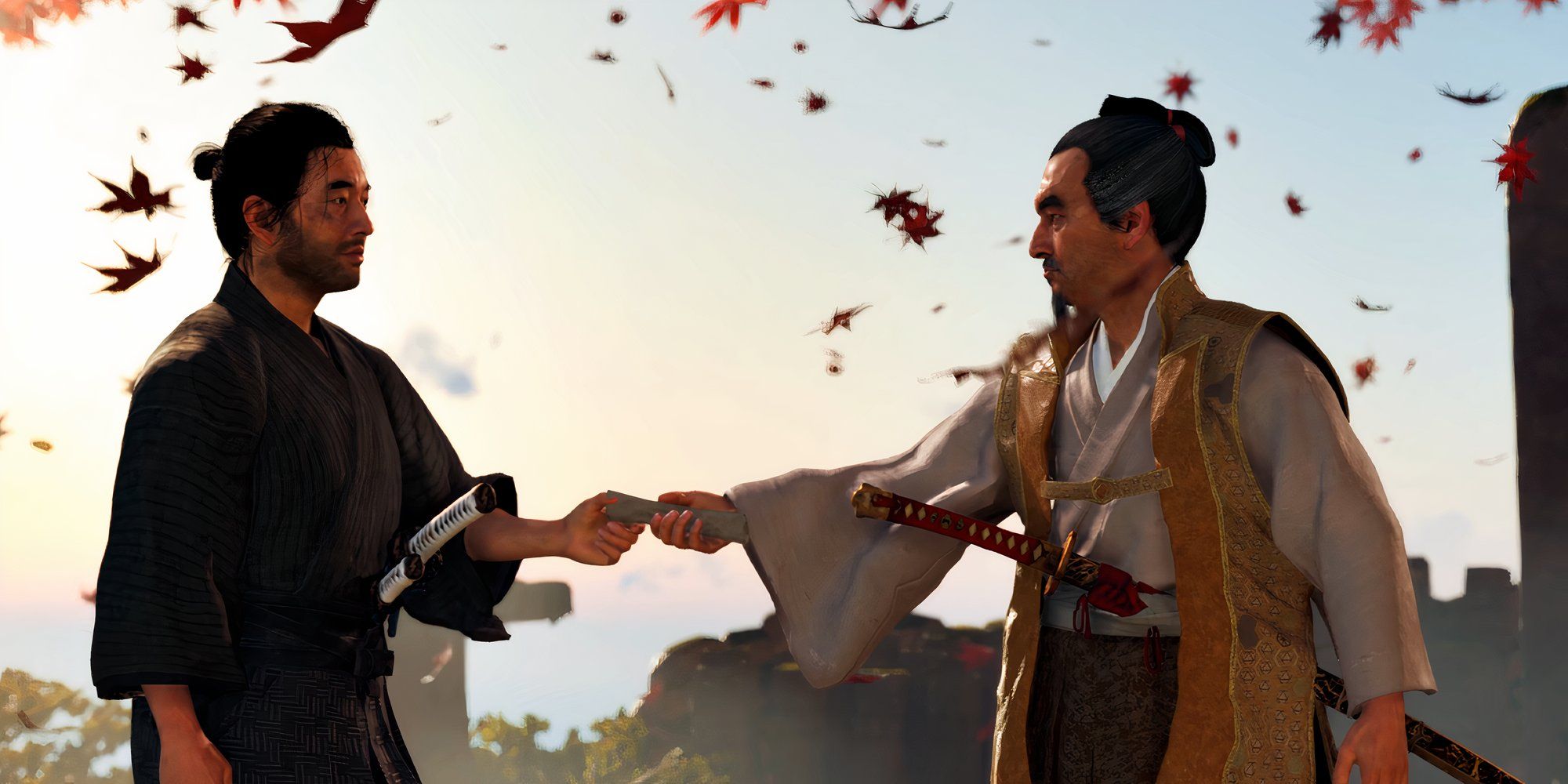
– Story Impact: Choosing to spare Lord Shimura marks a clear departure from traditional samurai values, showcasing Jin’s commitment to forging a new path for himself. This choice leads to his being hunted, emphasizing his isolation and the notion that he is seen as a traitor to the samurai code. It underscores the cost of transformation and the sense of disconnect from his former life.
– Character Development: By sparing his uncle, Jin fully embraces his identity as “The Ghost,” rejecting the past in favor of a future steeped in solitude and the unknown. This choice illustrates a complete repudiation of his previous identity, highlighting his journey towards a new understanding of purpose and power, significantly impacting his character continuity.
– Rewards: Players receive the Vow of Vengeance blood-red dye for the Ghost Armor, along with a new starting point in Tradition’s End. This location serves as a reflective space for Jin, filled with items from his journey, and features nuanced dialogue that adapts to his choice, reinforcing the narrative’s responsiveness to player decisions.
Overall Impact on the Story
– Thematic Focus: Both endings provide a rich exploration of themes like honor, identity, and loyalty. They delve deeply into the complexities of sacrifice and transformation, forcing players to confront the balance between duty and personal ambition. Jin’s paths resonate with the moral ambiguities inherent in times of war, illuminating the struggles faced by individuals caught between tradition and necessity.
– Canon Continuity: Although neither ending is explicitly established as canon for potential sequels, the implications of sparing Lord Shimura could offer more narrative opportunities. This choice reflects Jin’s ultimate transformation into “The Ghost,” setting up intricate dynamics with the Shogun and potential conflicts that can carry forward into subsequent stories.
In conclusion, the ending selection in Ghost of Tsushima has profound ramifications for Jin’s character and the broader narrative landscape. Whether he chooses to kill or spare Lord Shimura fundamentally alters his identity and future direction, enriching the game’s emotional and thematic depth as it explores the cost of honor and the complexities of self-discovery. The choices made resonate with players, inviting a deeper reflection on the nature of courage, legacy, and the multifaceted nature of heroism.
Leave a Reply