
In Ghost of Tsushima, the choice to employ stealth rather than direct combat adds significant depth to gameplay and allows players to engage with the game’s world in a more tactical manner. Below are the key advantages of using stealth mechanics in the game, along with insights into available techniques and tools that enhance this approach.
Benefits of Stealth
1. Reduced Risk of Detection and Engagement
– Utilizing stealth enables players to navigate through enemy-infested areas without alerting foes. This is especially advantageous in regions populated by numerous adversaries or when the player’s health and resources are low, providing a safer option for exploration and mission completion.
2. Silent Takedowns
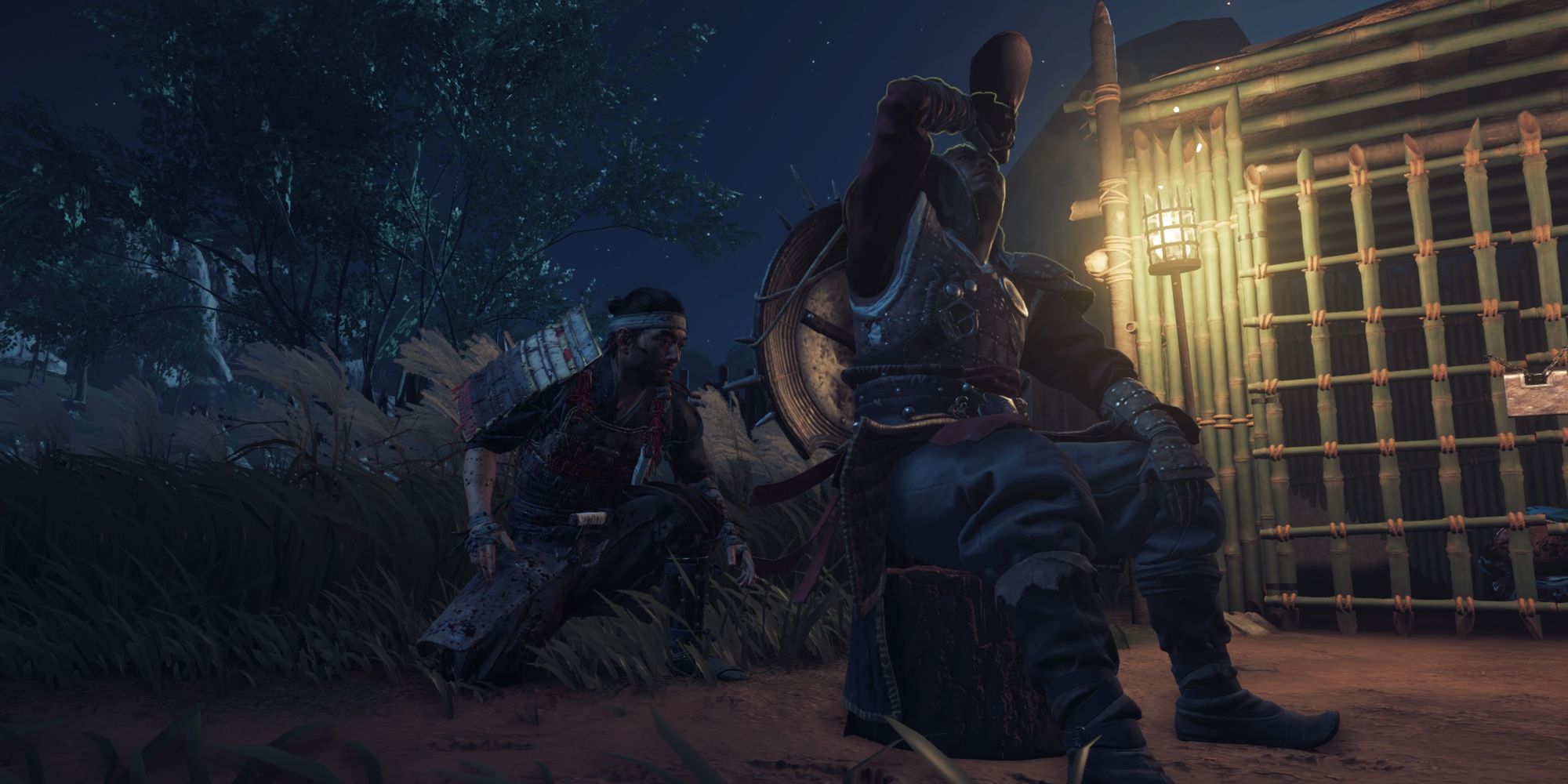
– Players can leverage Jin’s tanto for stealthy eliminations, dispatching enemies quietly and maintaining control of the situation. Targeting key opponents without raising alarms allows for strategic area clearances, preventing reinforcements and minimizing chaos.
3. Buildup of Resolve
– Stealth gameplay fosters the accumulation of “Resolve,” a crucial mechanic that enhances combat capabilities. By remaining undetected longer, players can enter combat scenarios better prepared, boosting the chances of success if they decide to engage enemies.
4. Conservation of Resources
– Stealth tactics typically require fewer resources than open combat engagements. By avoiding confrontations, players conserve arrows, tools, and consumables, allowing for enhanced strategic planning and preservation for challenging encounters later in the game.
5. Unlocking Advanced Stealth Abilities
– As players advance through the game and complete specific challenges, they can unlock powerful stealth abilities, such as chained assassinations. These skills facilitate quick and efficient takedowns of multiple enemies, enhancing the effectiveness of stealth strategies.
6. Immersive Experience
– The integration of stealth amplifies the immersive quality of the game, as it demands careful planning and execution. The added tension of sneaking past foes and executing moves without detection fosters a rewarding gameplay experience, rewarding players for their caution and strategy.
7. Story Freedom
– Although the overarching narrative may not hinge on stealth, it affords players the freedom to approach missions according to their preferences. Whether opting for a stealthy infiltration or engaging in head-on combat, players can tailor their experience, influencing their engagement with the story.
Stealth Techniques and Tools
– Focused Hearing: This mechanic heightens the player’s awareness of enemy movements and ambient sounds, providing cues for navigation and avoiding detection.
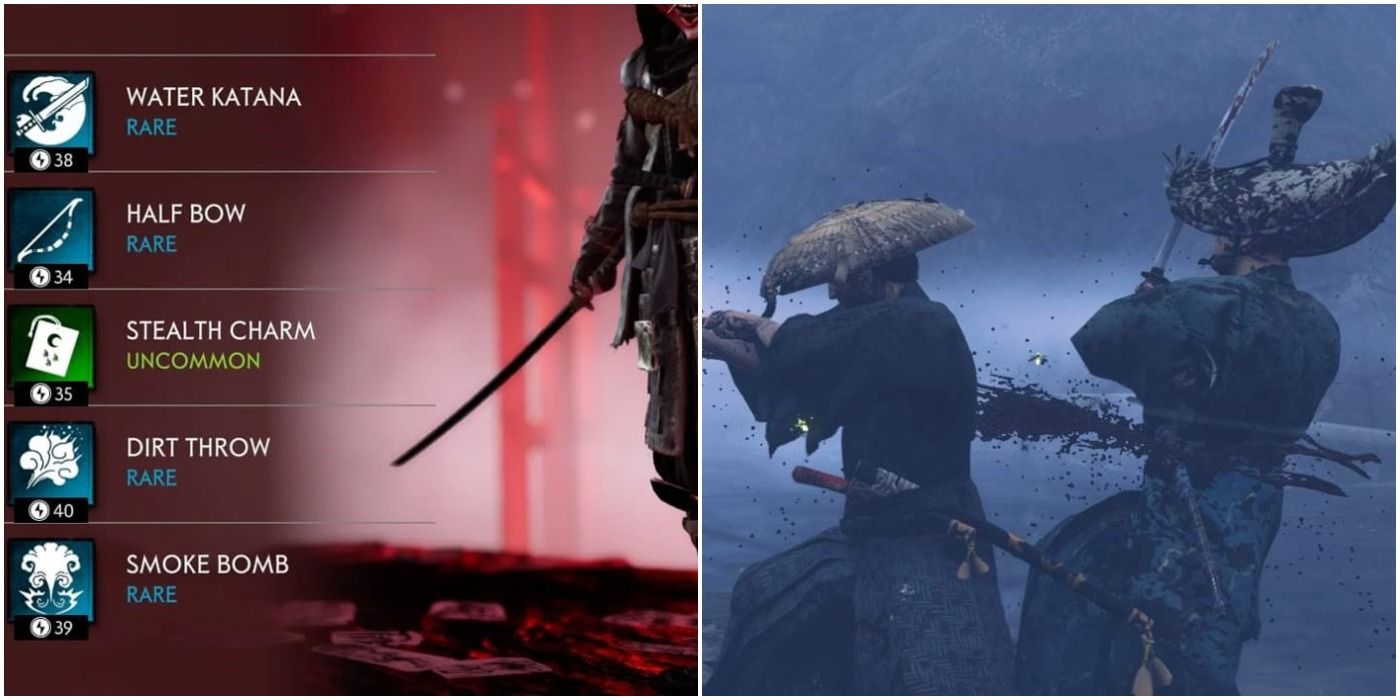
– Ghost Weapons: Players can utilize a variety of stealth-based tools, like smoke bombs and Kunai, aiding in distraction and disorientation of enemies. These weapons complement stealth strategies, offering creative avenues to engage or evade foes.
Conclusion
While Ghost of Tsushima is designed to facilitate both stealth and direct combat, the incorporation of stealth mechanics presents players with a strategic, resource-conscious, and immersive way to traverse the game’s richly crafted world. The breadth of options available allows players to choose their preferred method of engagement, enriching their overall experience and contributing to the game’s dynamic gameplay. Stealth is not merely an alternative; it is a powerful tool that can drastically alter the approach to challenges within the game.
Leave a Reply