
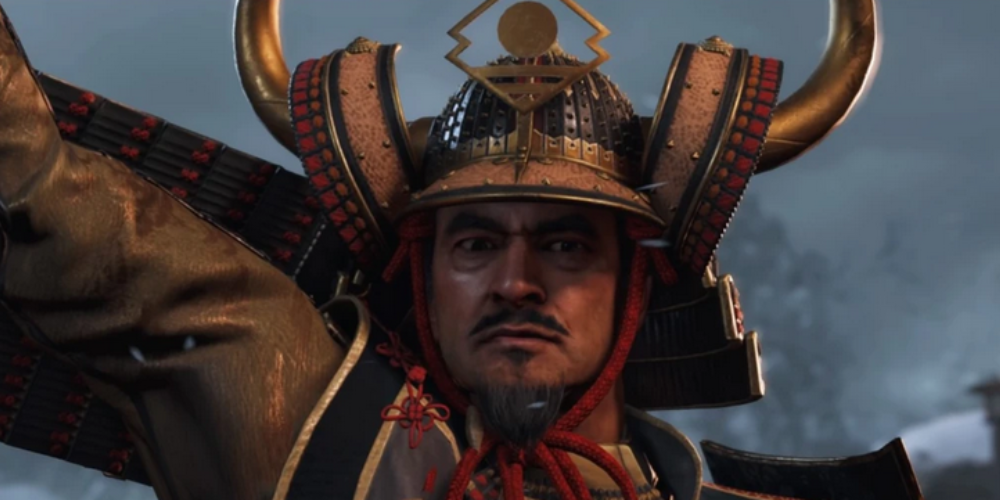
In Ghost of Tsushima, the climactic choice regarding Lord Shimura serves not only as a pivotal moment in the narrative but also as a linchpin for the game’s underlying themes of honor, duty, and transformation. As players guide Jin Sakai through his tumultuous journey, the decision to either kill or spare Lord Shimura, who is both his uncle and adoptive father, underscores significant emotional and thematic implications.
The Climactic Choice: Kill or Spare Lord Shimura
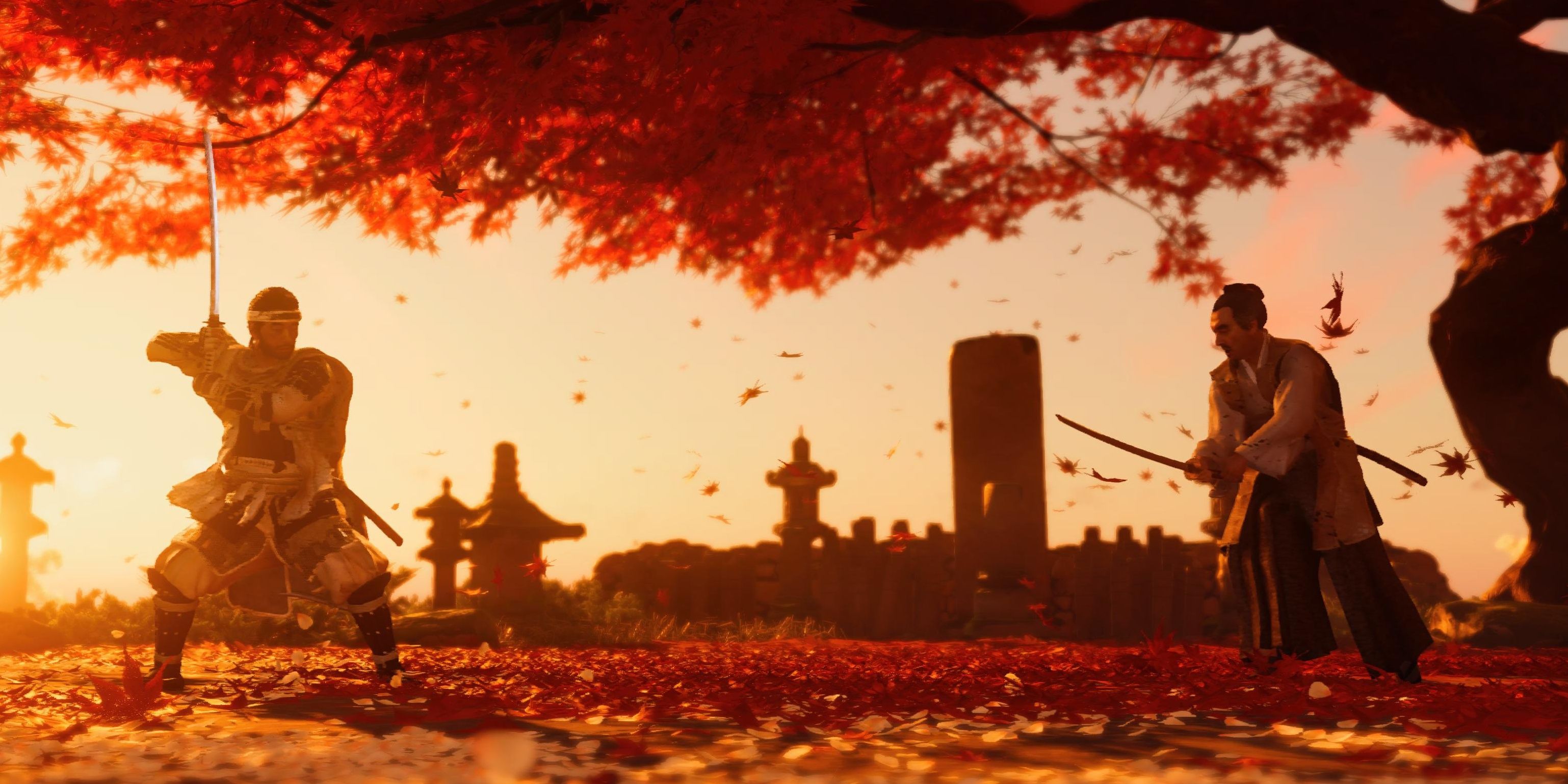
At the game’s conclusion, Jin faces an agonizing decision: follow through with killing his uncle at the behest of the Shogun, or reject this path and spare Shimura.
1. Kill Lord Shimura
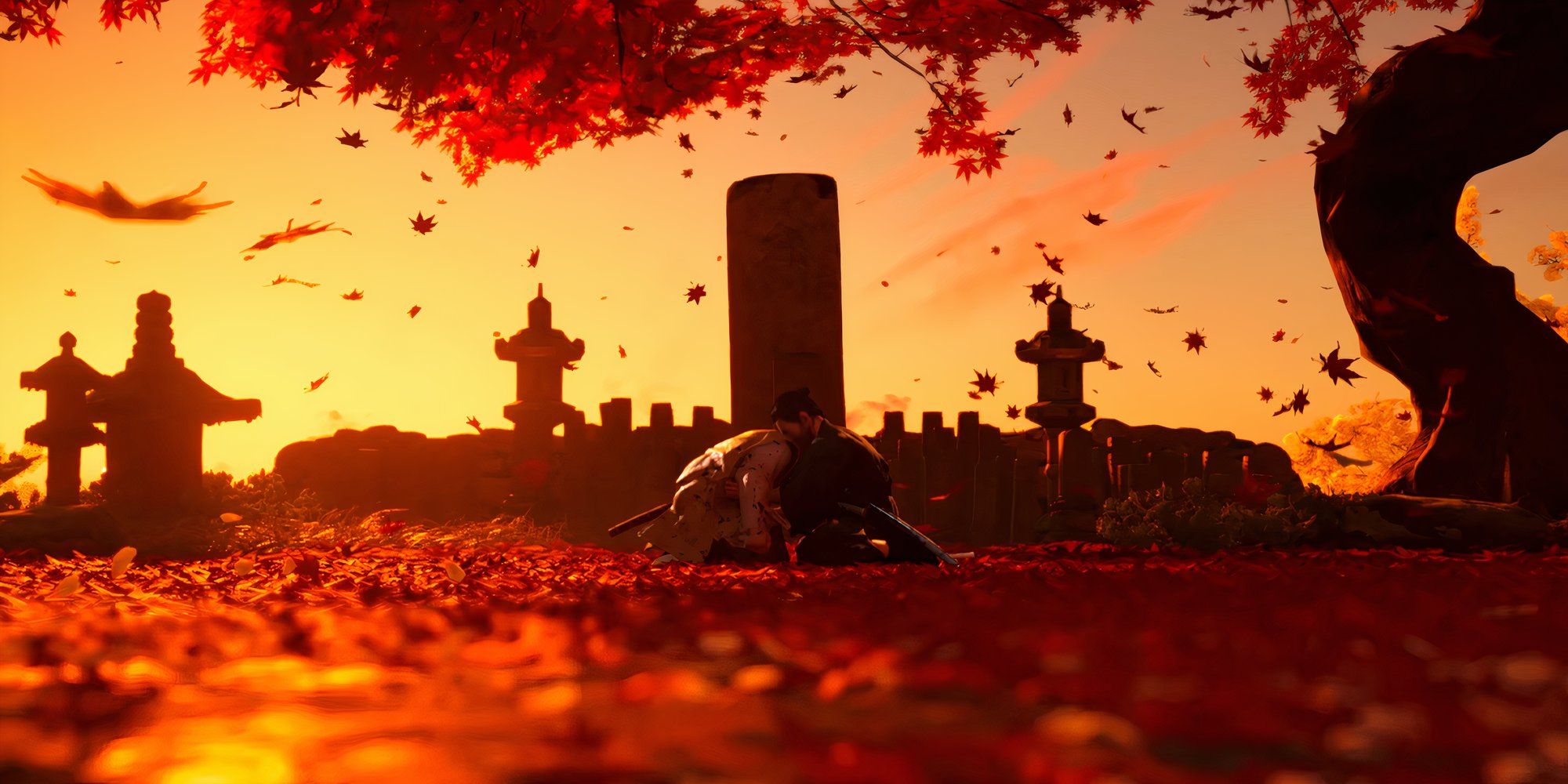
– Narrative Impact: Choosing to kill Shimura allows Jin to grant his uncle a warrior’s death, honoring the samurai code and fulfilling Shimura’s wish for a death befitting a samurai. This act is steeped in respect and a profound sense of duty.
– Emotional Impact: The moment is laden with grief and sorrow, with Shimura expressing gratitude before his passing. This final interaction emphasizes Jin’s internal conflict and the sorrow of familial ties frayed by war.
– Thematic Significance: This choice epitomizes the preservation of honor and tradition, as it solidifies Shimura’s legacy as a true samurai, upholding values that Jin grapples with throughout the game.
2. Spare Lord Shimura
– Narrative Impact: By sparing Shimura, Jin actively rejects the samurai code, symbolizing his transformation into “the Ghost.” This act represents a fundamental shift in his identity and morals.
– Emotional Impact: This choice is heart-wrenching for both characters. Jin’s decision leads to Shimura’s heartbreak, as it signifies a rejection of Shimura’s teachings and values. The somber nature of their final exchange reflects the tragedy of their fractured relationship.
– Thematic Significance: Sparing Shimura highlights Jin’s evolution and his acceptance of a more nuanced approach to warfare, prioritizing the sanctity of life over traditional codes of conduct.
Consequences in the Game World
Both choices culminate in similar world states, reflecting the ongoing complexities of Jin’s battle against the Mongol invaders and the Shogun’s authority.
– Jin’s Status: Regardless of the decision made, Jin remains an enemy of the Shogun, indicating that his journey as a protector of Tsushima is far from over.
– Gameplay Impact: The choice does not significantly alter the gameplay experience post-conclusion. Players maintain the ability to explore open-world activities, side quests, and collectibles, regardless of which path they choose for Shimura.
– Storytelling Perspective: Ultimately, the choice serves as a powerful narrative tool, encapsulating the growth of Jin’s character and his dynamic relationship with Shimura.
Minor Leadership Choices
Throughout the game, players encounter opportunities to engage with minor enemy leaders. However, these encounters lack the profound narrative weight of the Shimura choice:
– Consequences: Options to kill or spare minor leaders lead only to minor dialogue variations and some immediate mission outcomes, but do not affect the overarching storyline or world state positively or negatively.
– Gameplay Interaction: Players can adopt various strategies, such as stealth or open confrontations, but these decisions do not contribute notably to narrative depth or character development.
Summary Table
| Choice | Narrative & Emotional Impact | Thematic Impact | Gameplay/World Impact |
|———————–|———————————————–|—————————————|—————————-|
| Kill Shimura | Grants warrior’s death; honors tradition | Upholds samurai code | None (world unchanged) |
| Spare Shimura | Rejects code, hurts Shimura, embraces Ghost | Embraces new identity as Ghost | None (world unchanged) |
| Minor Leader Choices | Dialogue/mission variations | No significant story change | None (world unchanged) |
Conclusion
The decision to kill or spare Lord Shimura is central to the narrative arc of Ghost of Tsushima, encapsulating the tensions between honor and innovation, as well as personal loyalty and duty. This moment serves as a powerful narrative conclusion to Jin’s journey, highlighting the game’s exploration of complex themes. Conversely, the choices involving minor enemy leaders lack lasting narrative significance or impact on the world state, primarily affecting gameplay style and immediate mission outcomes. This structuring emphasizes the importance of significant choices in shaping both character and narrative development in the game.
Leave a Reply