
In Hunt: Showdown, the dynamic of third-party engagements adds a significant layer of strategy to the gameplay. Here’s an overview of effective tactics to both prevent these encounters and manage them if they arise.
Preventing Third-Party Engagements
1. Map Awareness and Movement
– Monitor Audio Cues: Sound is a critical element in Hunt: Showdown. Be vigilant for gunshots, explosions, and footsteps, which signal nearby activity. This awareness allows you to preemptively avoid entering crossfire zones and makes it easier to plan routes away from threats[^1].
– Control Rotations: Navigate the map with care. Predictable paths make you an easier target for ambushers. In anticipation of a possible third party, plot escape routes and choose positions that limit vulnerability—this could involve traversing the terrain creatively or taking cover along walls[^1].
– Avoid Hotspots Early: Certain locations, especially at the beginning of the match, attract multiple teams. Delay your approach to these known hotspots or approach from less anticipated angles to decrease your chances of a nasty surprise[^2].
2. Engagement Tactics
– Quick, Decisive Fights: Lengthy gunfights can attract unwanted attention. Aim to resolve conflicts swiftly to avoid lingering in an exposed position[^5].
– Pick Your Fights: Assess the situation carefully. Consider whether to engage or back off based on enemy posture, available cover, and your team’s health and resources. A strategic retreat sometimes outweighs the risk of being outnumbered[^1].
– Limit Noise: Stealth can be your ally; using silent weapons or melee attacks against AI enemies can help maintain a low profile and reduce your visibility on the map[^3].
Recovering from Third-Party Fights
1. Situational Awareness During Combat
– Assess the Battlefield: Always be alert for new threats during engagements. If you notice new gunfire or movement, be ready to reposition and reassess rather than commit to the fight at hand[^1].
– Rotate to Advantageous Positions: Gaining higher ground or better cover can provide not only strategic advantage but also situational awareness to spot new threats. This positioning can guide whether to engage or retreat[^1].
– Watch for Wounded Enemies: Opportunistic players often target weakened teams. Be mindful of your health and that of your enemies; if they are injured, it could be a trap laid for unwary teams[^1].
2. Resource Management
– Conserve Tools and Consumables: Keep track of your ammunition, throwables, and healing items. Using them sparingly ensures you’re prepared for further surprises should a third party arrive mid-fight[^1].
– Revive with Caution: When reviving a teammate, weigh the risks involved. A hasty revive under pressure can lead to immediate punishment by incoming teams[^4].
3. Adaptive Strategies
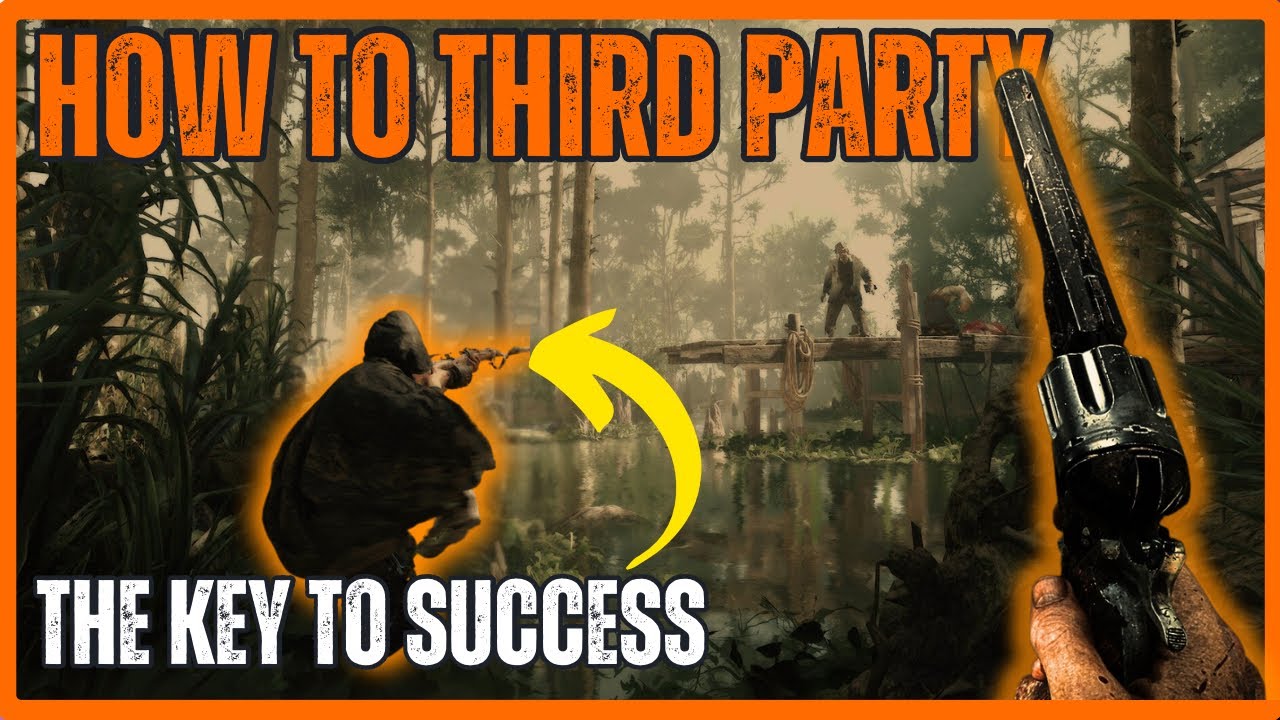
– Become the Third Party: If you encounter an ongoing skirmish between two teams, consider letting them weaken each other before you engage. This tactic allows you to strike at a moment of vulnerability, effectively putting you in a position of power[^1].
– Disengage and Reset: Should a third party interrupt your fight while you have the disadvantage, prioritize retreat. Heal and reposition to mount a counterattack or find an extraction point[^5].
– Boss-Related Tactics: When at a boss lair, be particularly cautious. Extended boss encounters and the subsequent banishments draw other players. Clear the surrounding area first or set up ambush points for other teams as they converge[^1].
Psychological and Team Coordination
– Stay Calm and Communicative: Maintaining a level-headed approach and clear communication can prevent confusion during skirmishes. Inform your team about enemy locations and third-party threats to stay organized under pressure[^5].
– Play to Your Strengths: Understanding your team’s composition and individual playstyles is key. Position your team to exploit advantages in either close-quarters or long-range engagements to avoid falling into a disadvantageous position against multiple teams[^5].
Summary Table: Key Tactics
| Tactic | Prevent Third-Party | Recover from Third-Party |
|—————————–|——————–|————————–|
| Map & Audio Awareness | ✔ | ✔ |
| Quick Engagements | ✔ | |
| Resource Management | ✔ | ✔ |
| Rotate to Advantage | | ✔ |
| Disengage/Reset | | ✔ |
| Become the Third Party | | ✔ |
By mastering these tactics, players can significantly improve their chances of survival and success amidst the chaos of multi-team engagements in Hunt: Showdown[^1][^5][^2].

Leave a Reply