
Breeding animals in Planet Zoo is an intricate process that requires attention to multiple facets, ensuring both animal welfare and genetic enhancement. Here’s a detailed guide on how to breed animals effectively and manage their genetics to produce stronger offspring:
How to Breed Animals in Planet Zoo
1. Requirements for Breeding:
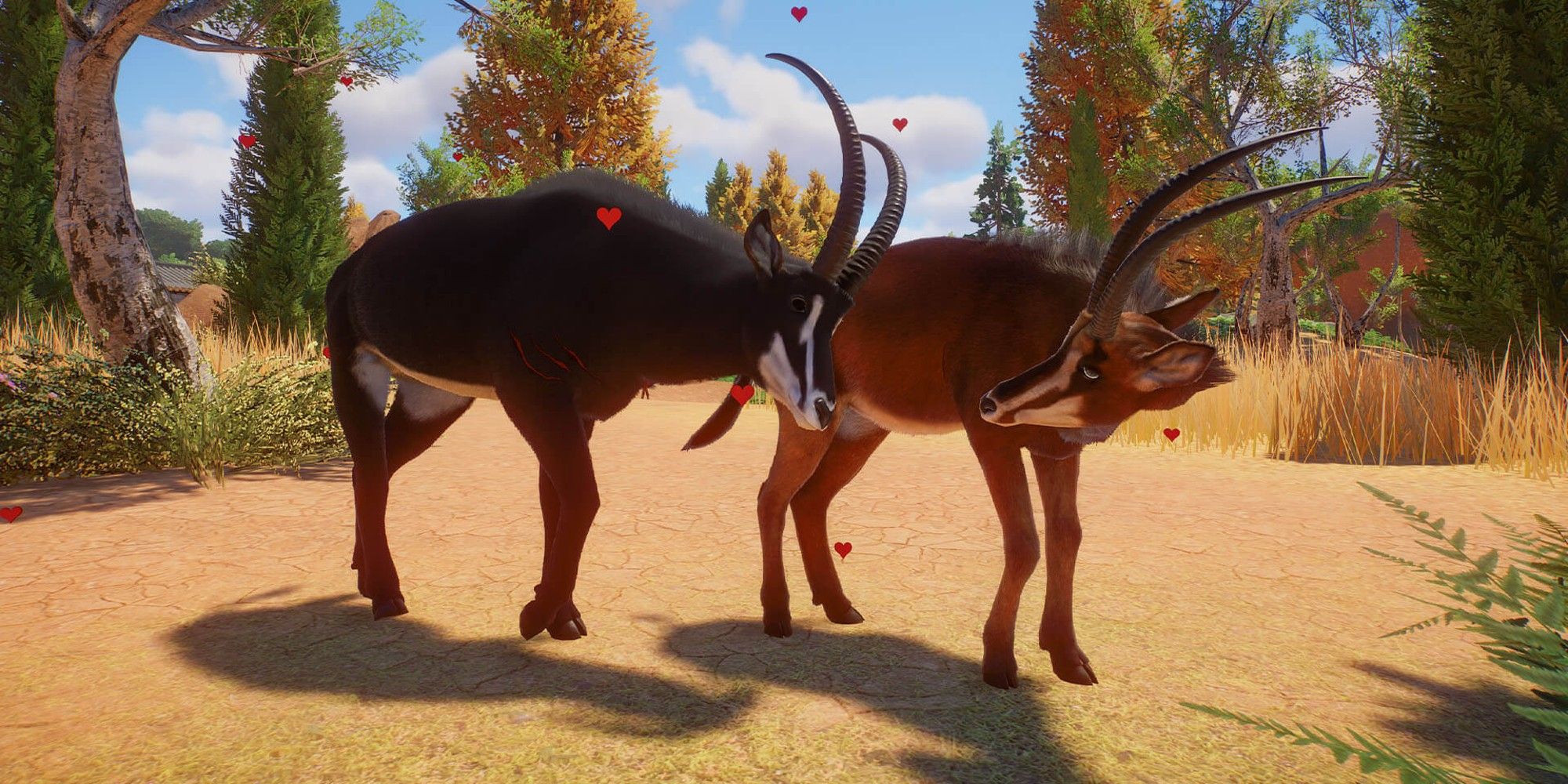
– Breeding Pair: Ensure you have at least one fertile male and one fertile female of the same species. Their enclosure should meet all necessary needs, including social interaction, food, and water, to create a conducive environment for mating.
2. Habitat Setup:
– Dedicated Breeding Habitat: Designate a specific area for breeding that is accessible only to zookeepers. This habitat should be spacious enough to accommodate a male and the optimal number of females based on the species’ Zoopedia information under the “Lifecycle” section.
– Welfare Standards: Maintain a high welfare rating (above 80%) in the habitat. This involves providing appropriate food, enrichment items (toys, climbing structures), suitable shelters, and ensuring that the assigned keeper is attentive to their needs.
3. Focus on Animal Welfare:
– Ensuring high levels of animal welfare is critical. Providing quality food and enrichment, as well as a clean, spacious habitat, encourages mating behavior. Happy animals are more likely to breed effectively.
4. Research and Development:
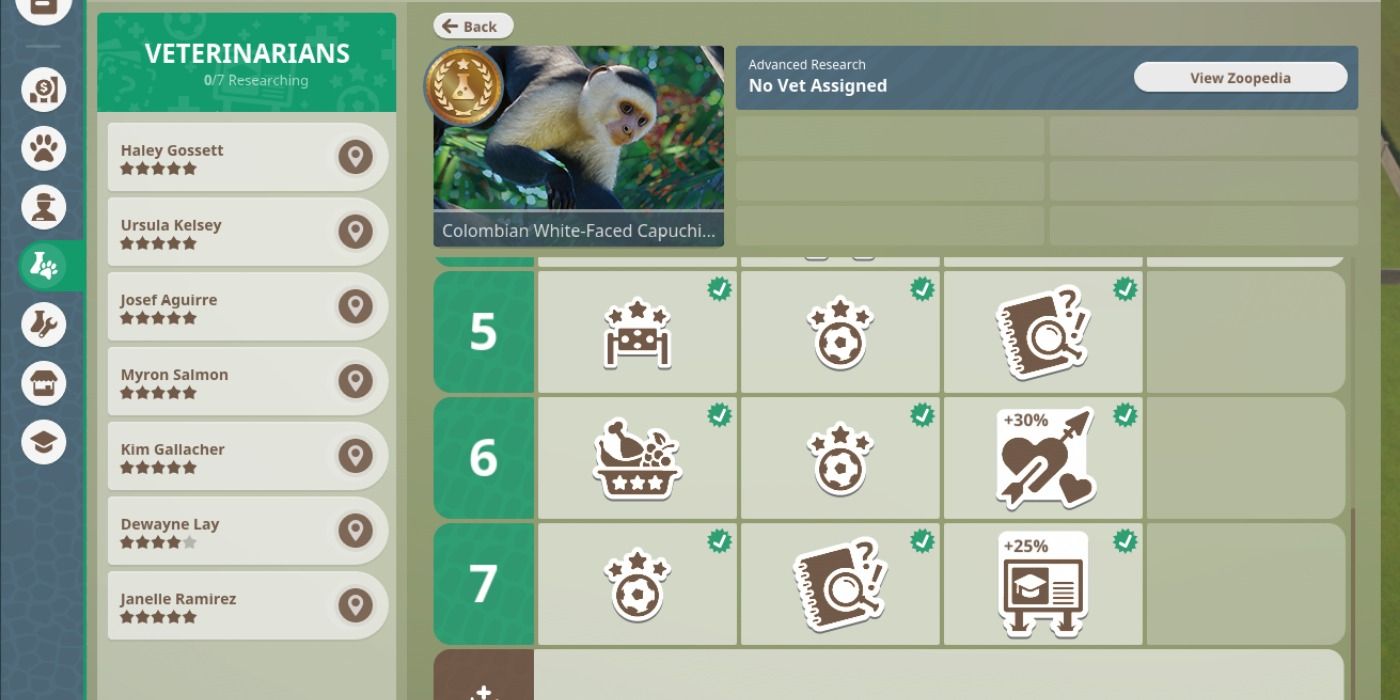
– Hiring a Researcher: Appoint a researcher specifically for the breeding species. Their work enhances the animals’ fertility stats through research, significantly increasing the likelihood of successful mating—by as much as 60%. Plus, this research contributes positively to overall welfare and breeding success.
5. The Breeding Process:
– Once all preparations are completed, simply wait for the female animals to enter gestation and give birth naturally. Monitor their health and needs during this period to ensure successful births.
Managing Genetics for Stronger Offspring
1. Target Key Genetic Traits:
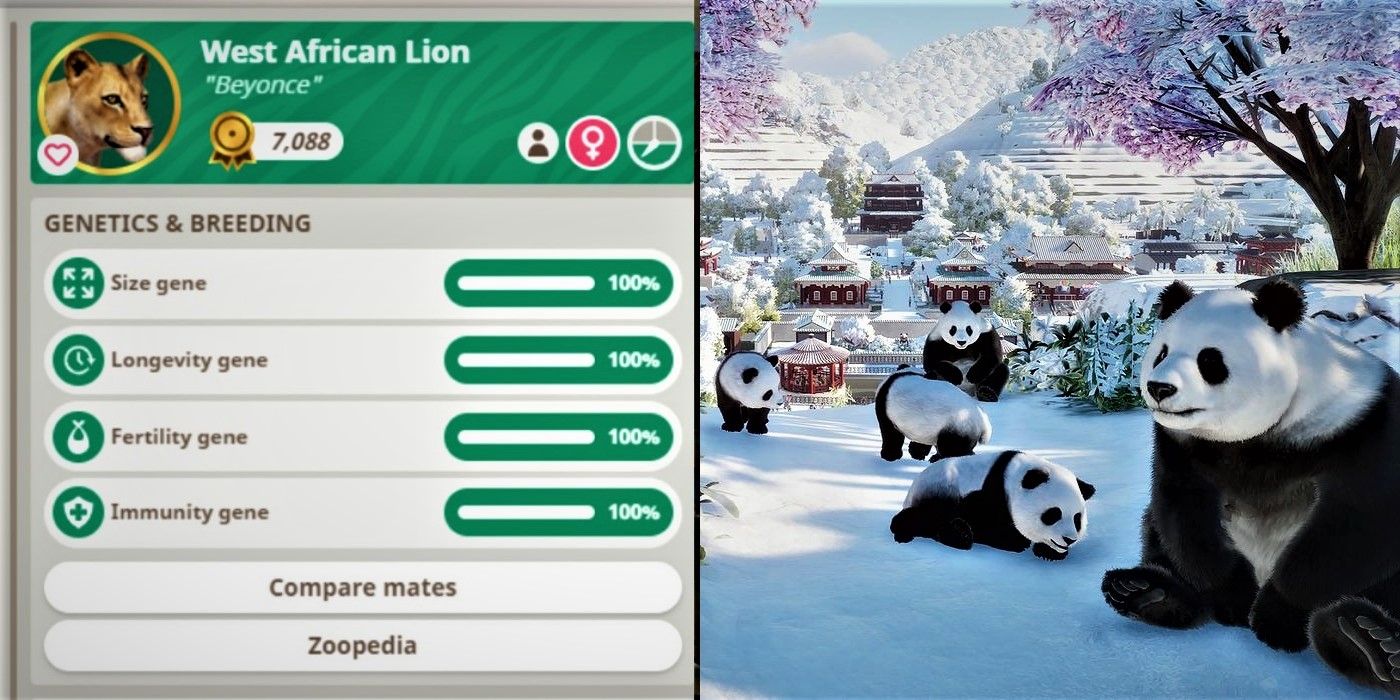
– Focus on Size, Longevity, Immunity, and Fertility: Initially, prioritize enhancing size and longevity, as these traits are more easily influenced and yield visibly stronger offspring. Upscaling these attributes can lead to healthier and more resilient animals.
2. Selective Breeding Practices:
– Initiate selective breeding by consistently pairing animals with the best genetic attributes. The offspring will likely inherit favorable characteristics, and by repeatedly selecting high-stat individuals for breeding, you can incrementally improve these traits.
3. Balanced Male-to-Female Ratios:
– Maintain an effective male-to-female ratio within your breeding habitat. In species where one male can mate with multiple females, this approach allows for maximized offspring production. Once a male has fulfilled his role, consider trading or selling him to introduce new genetic material, which helps prevent inbreeding and keeps the genetic pool robust.
4. Record Keeping and Analysis:
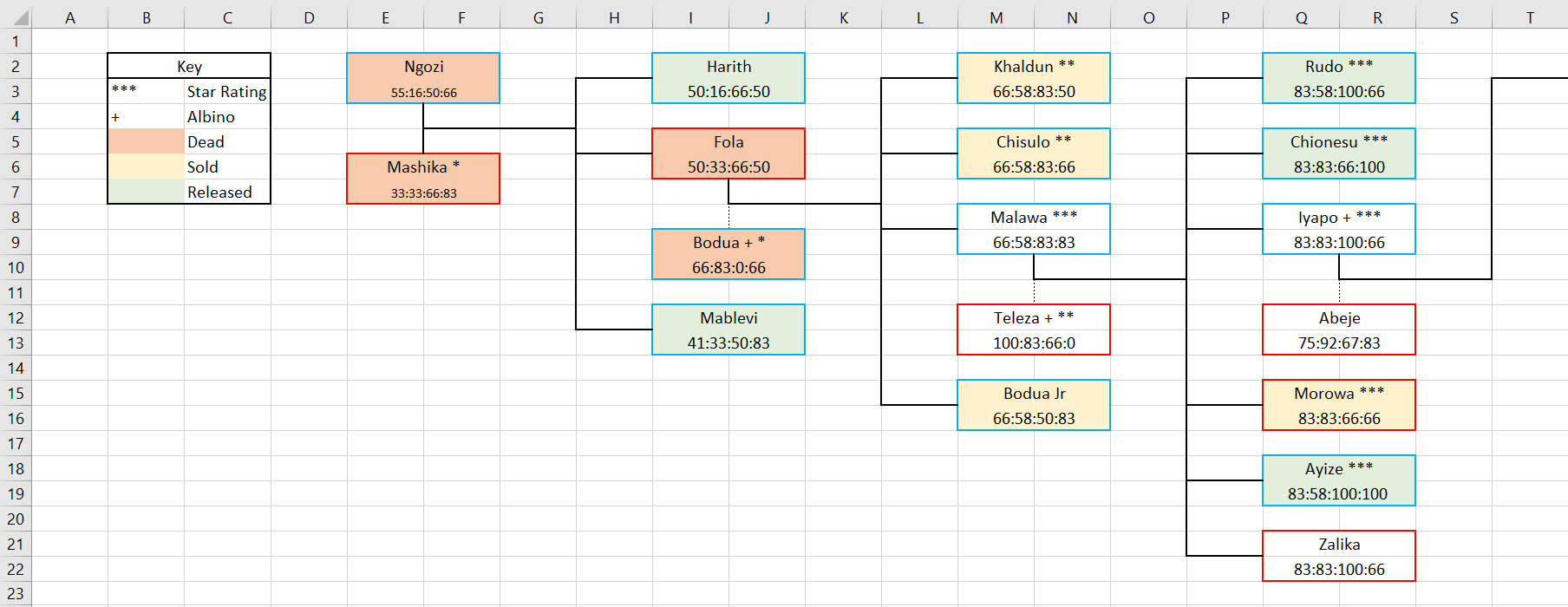
– To better track genetic lineage and manage breeding success, consider using external tools or spreadsheets. This is particularly useful in franchise or multi-zoo setups where keeping tabs on multiple animals becomes essential.
Conclusion
By diligently combining high animal welfare standards, well-structured habitats, dedicated research, and a strategic focus on selective breeding, players can breed animals effectively in Planet Zoo. Not only does this approach lead to stronger, healthier offspring, but it also enriches the gameplay experience, allowing players to see the tangible results of their efforts in wildlife management and conservation.

Leave a Reply