
To implement an efficient quarantine and veterinary system in Planet Zoo, it’s crucial to follow a structured approach that prioritizes animal health and mitigates the risks of disease outbreaks. Below is a detailed guide outlining essential steps and considerations.
Quarantine System
1. Purpose of Quarantine
– Quarantine serves as a critical measure to isolate new and potentially sick animals from the rest of the zoo. This strategy protects healthy animals by preventing the spread of infectious diseases. It also allows for careful monitoring and treatment of the newcomers before their introduction to permanent enclosures.
2. Placing Animals in Quarantine
– Upon acquiring new animals, the first step is to send them to a designated quarantine enclosure. This essential process helps identify and address any unknown illnesses, ensuring that animals are healthy before integration into their permanent habitats.
3. Quarantine Enclosure Size
– Baseline Quarantine: For early game or smaller zoos, a 4×4 grid quarantine enclosure can accommodate up to 8 animals. This size can be sufficient for managing initial entries.
– Large Quarantine: A more extensive system is advisable for larger zoos or those that experience frequent disease outbreaks. A larger enclosure capable of housing up to 24 animals is recommended, especially for species such as flamingos or hoofstock, which are vulnerable to illnesses linked to poor habitat cleanliness.
4. Design Considerations
– Isolation: Ensure the quarantine enclosure is physically separated from active animal habitats to eliminate risk of disease transmission.
– Comfort: Equip the enclosure with necessary features such as adequate shelter, clean water sources, and basic amenities to maintain the well-being of the animals during their quarantine period.
Veterinary System
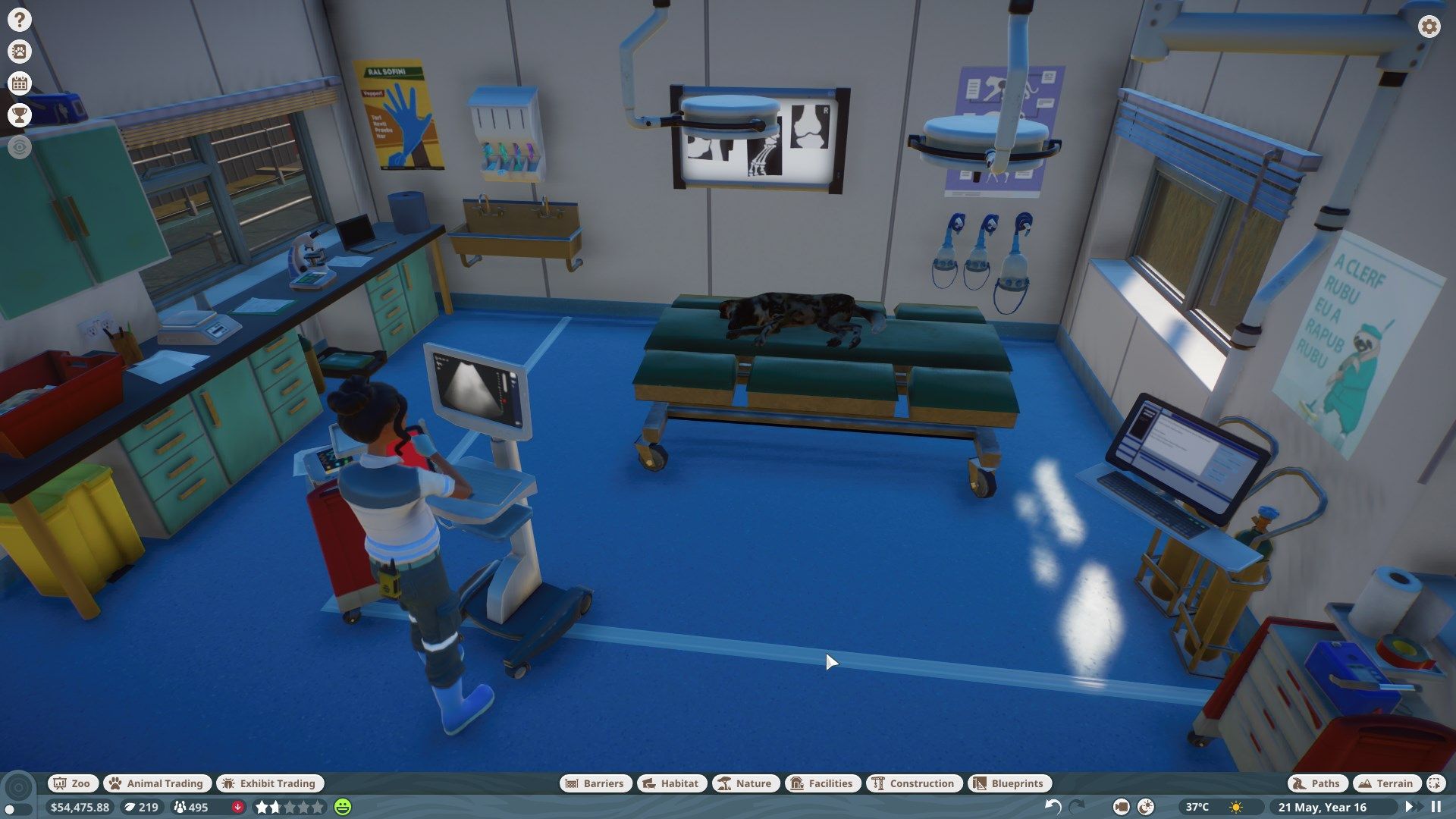
1. Vet Clinic Setup
– Constructing a Veterinary Clinic is vital for diagnosing and treating the animals. The clinic’s design should facilitate easy access by quarantined animals to ensure prompt medical attention when necessary.
2. Vet Staff Management
– Hiring Vets: Be sure to hire enough veterinary staff based on the size and variety of the animal population within your zoo.
– Research and Upgrades: Invest in research for vet clinic upgrades, including small and large research facilities. These enhancements allow for efficient handling of animal care — a small facility accommodates 1 vet, while a large one can support up to 6 vets.
3. Efficient Workflow
– Proximity: Place your quarantine enclosure close to the Veterinary Clinic to reduce travel time for vets, ensuring that they can respond quickly to any health issues that arise.
– Staff Welfare: Provide good break areas for your veterinary staff. This is especially important in higher difficulty settings where managing staff fatigue is critical to maintaining an effective healthcare system.
Summary
Creating a robust quarantine and veterinary system involves several strategic steps:
– Use quarantine enclosures to effectively isolate both new and sick animals, minimizing potential disease spread.
– Select the appropriate size for your quarantine needs to align with your zoo’s scale and animal diversity.
– Establish and continually upgrade vet clinics for effective diagnosis and treatment capabilities.
– Maintain closeness between quarantine areas and veterinary facilities for streamlined operations.
– Adequately manage veterinary staff, enabling them to conduct thorough research and provide optimal animal care.
By implementing this comprehensive quarantine and veterinary system, you will significantly reduce the frequency of animal illnesses and contribute to a healthy and vibrant zoo environment, ensuring the well-being of your animal populations and the satisfaction of your zoo visitors.


Leave a Reply