
The Last of Us Part II innovatively transforms the gameplay experience through its focus on verticality and advanced traversal mechanics. This evolution enriches both exploration and combat, significantly elevating the design and player engagement compared to its predecessor.
Verticality in Exploration
Expanded Environments and Climbing Mechanics
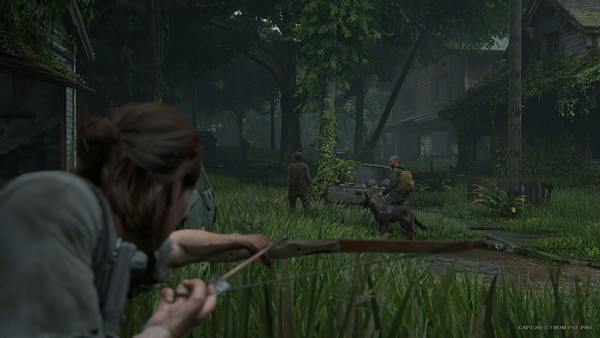
The sequel’s environments are notably more expansive and vertically dynamic, as seen in the diverse landscapes of Seattle. Players navigate through towering high-rises, intricate multi-leveled interiors, flooded streets, and closely packed urban settings. Ellie’s improved movement capabilities—such as climbing, mantling, jumping across chasms, and utilizing ropes—facilitate access to previously unreachable areas. This not only rewards exploration but also enhances the player’s sense of adventure as they uncover new resources, side missions, and narrative threads that might have been overlooked in a more linear setting.
Non-Linear Level Design
The game’s level design significantly contributes to a rich, non-linear exploration experience. Unlike the more direct pathways typical in action or stealth titles, The Last of Us Part II offers various traversal methods within its levels. While drawing influence from Naughty Dog’s Uncharted series, the vertical mechanics are integrated with a survival horror focus, rewarding players who are curious and willing to experiment. Returning to areas to explore them differently on multiple playthroughs allows for the unveiling of new secrets and narrative nuances, keeping the gameplay fresh and exciting.
Impact on Enemy Encounters
Vertical Combat and Tactical Advantages
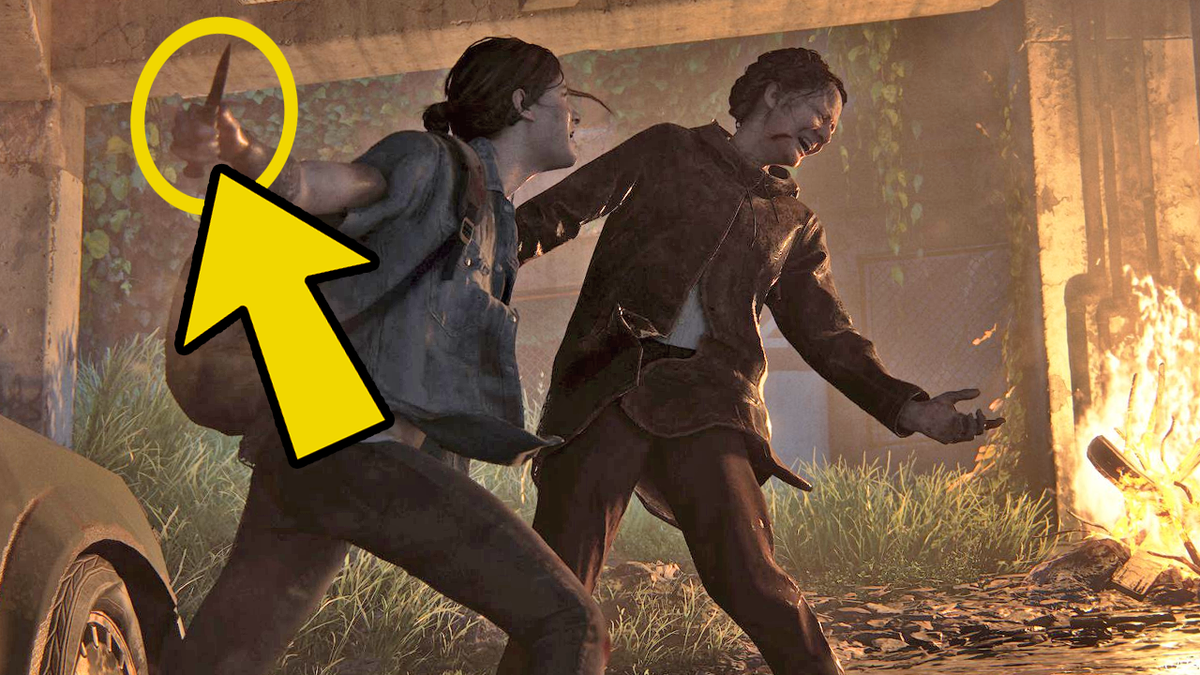
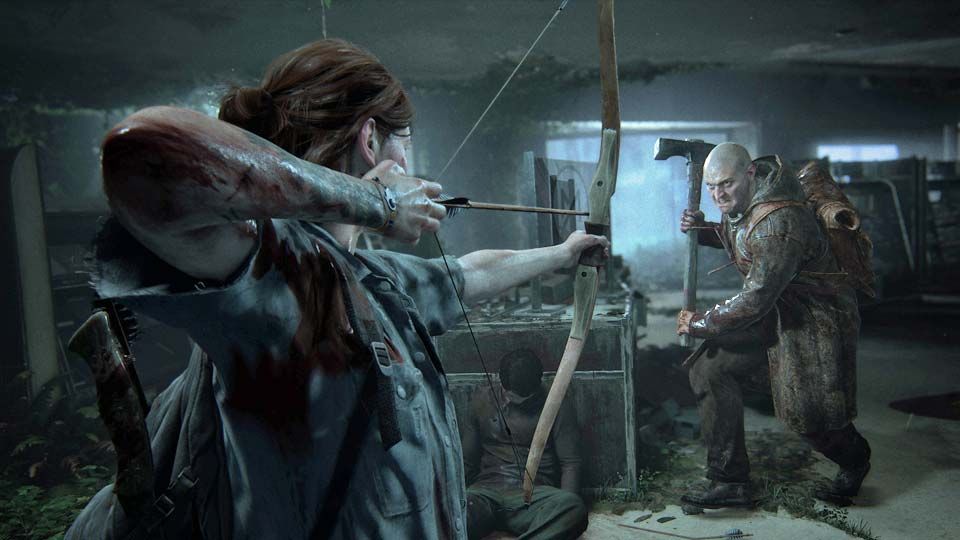
The introduction of heightened verticality in combat allows players to engage with enemies in innovative ways. By utilizing higher ground, players can choose to ambush enemies, evade threats, or even bypass combat situations entirely. With the inclusion of a dedicated jump button and aerial kill mechanics, players can participate in dynamic, multi-layered fights. This combat approach retains the brutal realism characteristic of The Last of Us while integrating more fluid, action-oriented elements reminiscent of the Uncharted series.
Enemy AI and Multi-Level Interactions
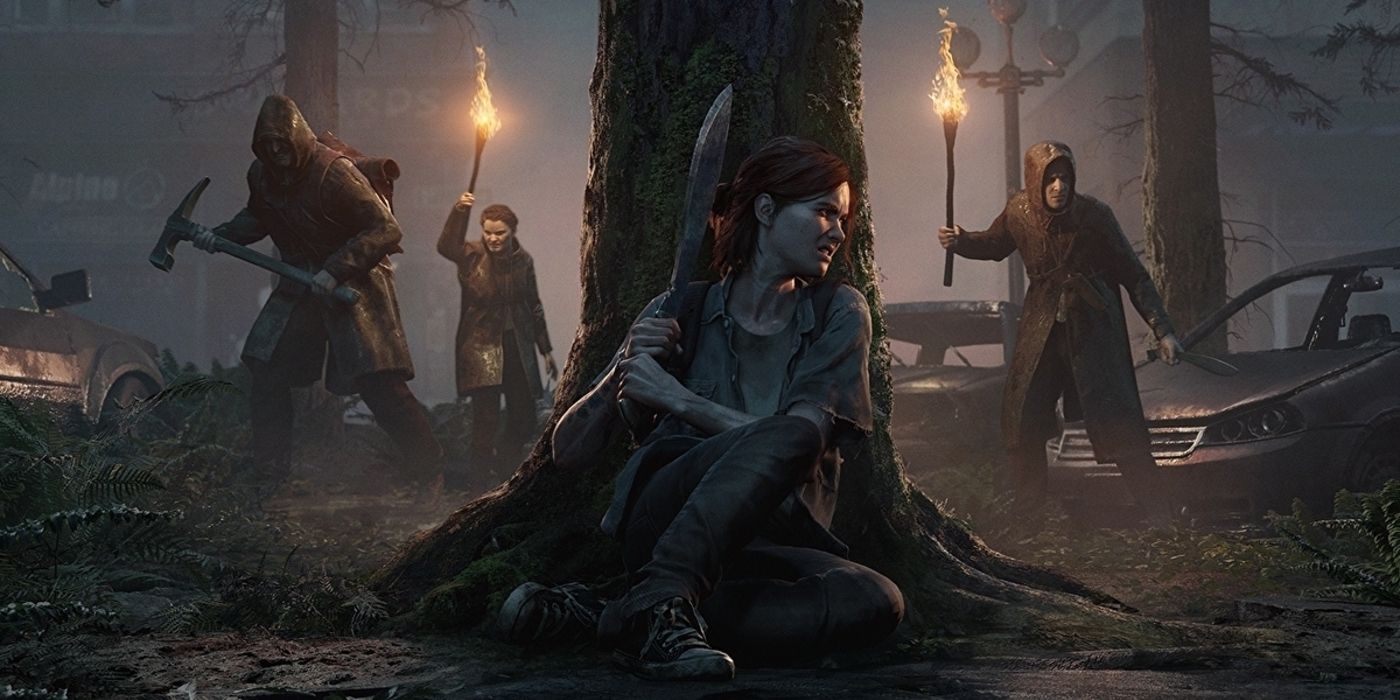
Enemy AI has been tailored to exploit the game’s verticality, engaging in strategic behaviors such as flanking and ambushing from higher platforms. This design choice creates unpredictable and intense encounters, compelling players to maintain awareness of their surroundings in three-dimensional space. As a result, players must constantly adapt to the evolving threats posed by enemies who navigate vertically, enhancing the immersion and complexity of combat encounters which ultimately results in a more strategic and engaging gameplay experience.
Summary Table
| Feature | Exploration Impact | Enemy Encounter Impact |
|—————————-|———————————————-|————————————-|
| Vertical Environments | Access to more areas, discovery of secrets | Opportunities for ambush and evasion|
| Climbing/Scaling | New resources and narrative paths available | Enhanced tactical positioning |
| Jumping/Mantling | Expedite traversal and promote non-linear play| Aerial kills and quick escapes |
| Ropes/Swings | Reach distant or elevated locations | Unpredictable enemy tactics |
Conclusion
In summary, The Last of Us Part II employs verticality and enhanced traversal mechanics to create an exploration experience that feels both rewarding and immersive. As players navigate through multifaceted environments, they encounter greater freedom in their movement choices and depth in combat scenarios. This multifaceted approach ensures that every encountered space is filled with opportunities and challenges, immersing players in a world alive with danger and discovery in all dimensions.

Leave a Reply