
In The Last of Us Part II, the advancements in enemy AI significantly enhance the gameplay experience, particularly regarding how enemies respond to the environment and player actions. The behaviors observed in enemy responses to both visual and auditory stimuli create a dynamic and immersive atmosphere that challenges the player’s strategic thinking during encounters.
Reaction to Spotting Bodies
One of the notable improvements in The Last of Us Part II is how enemies react upon discovering dead bodies. Unlike the first game, where enemies often immediately located the player when a body was spotted, the sequel introduces a more nuanced approach. Enemies enter a heightened state of awareness—recognizing the presence of a dead body but not necessarily pinpointing the player’s location right away. This mechanic encourages players to think strategically about how and when to eliminate foes.
Moreover, upon discovering a fallen ally, enemies engage in realistic communication. They alert each other about the body’s location, actively search the last known position of the player, and coordinate their actions with a sense of urgency. This not only increases the level of challenge but also immerses players in the game’s emotional weight, as enemies shout out names of their comrades and display emotionally driven reactions such as fear and caution during combat.
Reaction to Hearing Sounds
The AI in The Last of Us Part II also exhibits impressive auditory sensitivity. Enemies are alert to a variety of sounds—gunfire, footsteps, and environmental disturbances—and will investigate these cues. When a sound is detected, enemies transition from passive states to more alert or defensive postures, showcasing a behavioral shift that echoes realistic military tactics.
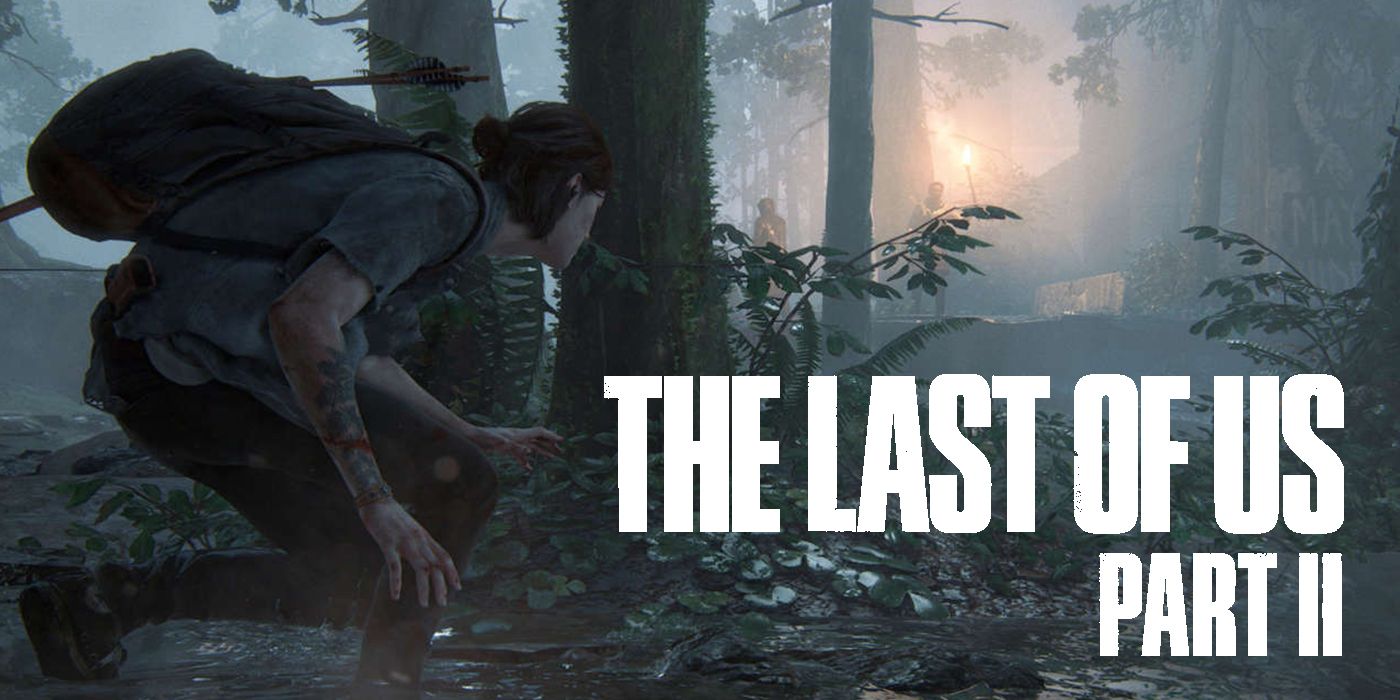
A particularly intriguing aspect is how the game handles stealth combat. For instance, when using suppressed weapons such as bows or silencers, enemies do not immediately discern the player’s location; instead, they enter a state of alertness and begin searching for the source. This mechanic emphasizes strategic stealth gameplay, as players must carefully consider their methods of engagement.
Furthermore, enemy AI showcases coordinated tactics including flanking, bounding overwatch, and suppressive fire. These strategies are dynamically adjusted based on the player’s actions and the sounds they produce, further deviating from linear or scripted responses. This adaptability ensures that every encounter feels fresh and unpredictable, compelling players to continuously refine their strategies.
Additional AI Characteristics
The differentiation between enemy factions—namely the Washington Liberation Front (WLF) and the Seraphites—adds another layer of complexity. Each faction employs its unique communication methods and tactical approaches: the WLF often utilize military strategies, while the Seraphites communicate through whistles to coordinate actions. This diversity in tactics enhances the player’s experience by introducing varied confrontations that require different approaches.
Moreover, friendly AI in The Last of Us Part II has also seen significant improvements. Allies move stealthily and intelligently, avoiding unnecessary detection while assisting the player effectively. This enhancement not only adds to the overall challenge posed by enemy AI but also supports a cooperative gameplay experience where allies contribute meaningfully to encounters.
Conclusion
In conclusion, The Last of Us Part II revolutionizes the experience of stealth and combat encounters through its sophisticated enemy AI. By creating realistic reactions to visual and auditory stimuli, the game elevates both tension and engagement, transforming each encounter into a unique challenge. Whether through emotional responses to fallen comrades or tactical adaptations based on sound, the enemy AI enriches gameplay by fostering a sense of immersion and realism that keeps players constantly engaged and on their toes.


Leave a Reply