
The ending of The Last of Us Part II poignantly encapsulates the game’s exploration of vengeance, loss, and the emotional fallout from cycles of violence. As players traverse Ellie’s harrowing journey fueled by the desire to avenge Joel’s death at the hands of Abby, they are drawn into a narrative rich with moral ambiguity, where the lines between hero and villain become increasingly blurred.
From the outset, Ellie’s singular focus on revenge drives the gameplay and story progression, highlighting the brutal reality of her quest. Throughout the game, players witness the intensity of her rage and the violent repercussions of her actions on those around her. The emotional gravity of her mission culminates in the climactic confrontation with Abby at the Rattler stronghold. However, in a powerful moment of introspection, Ellie chooses compassion over vengeance — she spares Abby’s life. This choice is significantly influenced by her memories of Joel, allowing Ellie to confront the repercussions of his past decisions and their contribution to the cycle of violence.
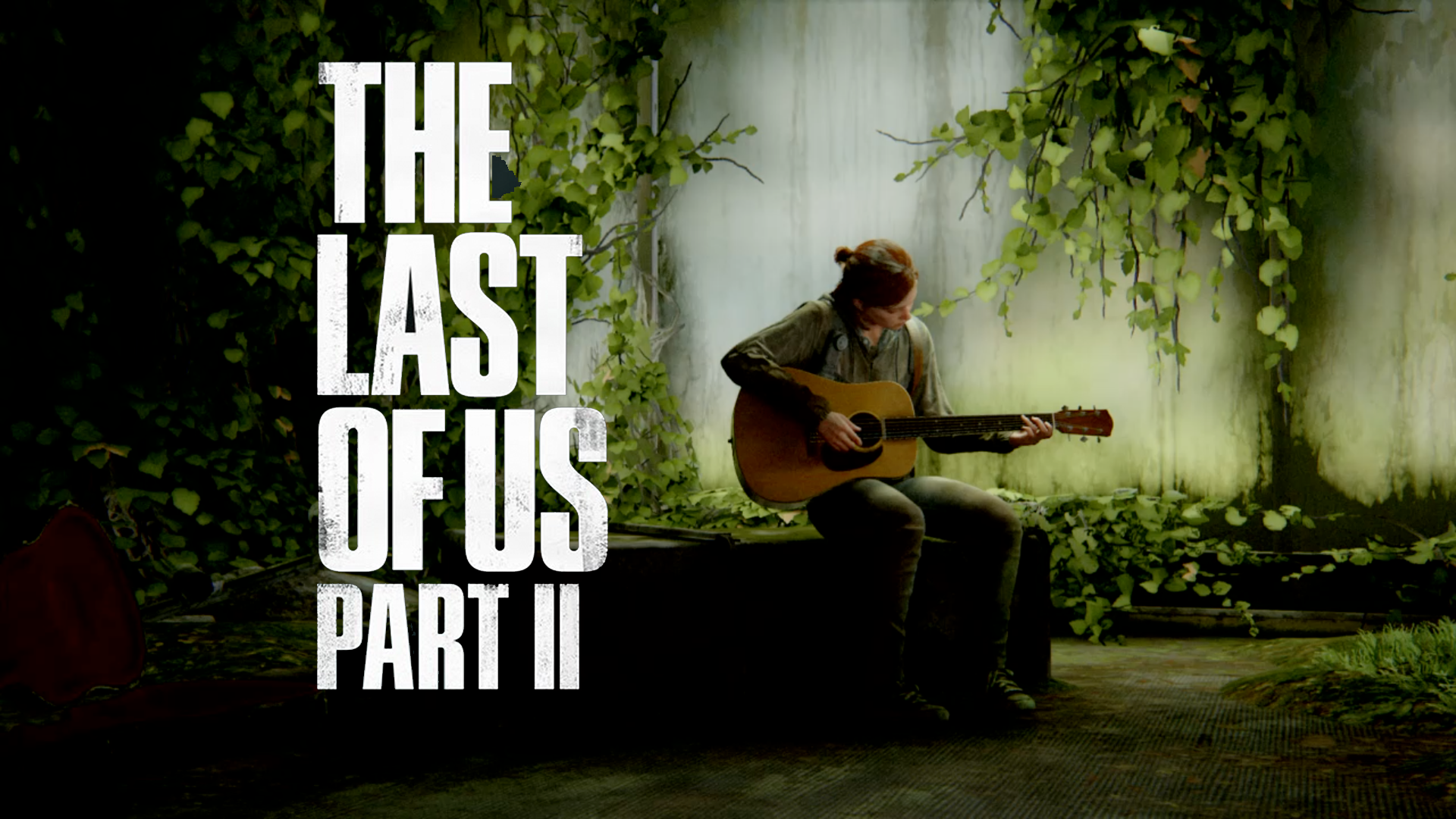
Returning to her farmstead, Ellie confronts the desolation that her quest has wrought. The abandonment of her home symbolizes the heavy cost of her relentless pursuit; she is left with nothing but the echoes of her past and the haunting realization that her thirst for revenge has eradicated her sense of family and belonging. The physical toll of her confrontation with Abby, evident in her attempt to play the guitar — a representation of her connection to Joel and her lost innocence — serves as a poignant metaphor for her emotional scars.
The game’s conclusion is intentionally left unresolved, mirroring the complexity of human emotions regarding forgiveness and the irreparable damage caused by acts of violence. By letting Abby go, Ellie arrives at a profound, albeit painful, understanding: revenge does not equate to closure. Instead, it perpetuates a cycle of suffering that only leads to further loss. The outcome challenges the player’s expectations; it refrains from offering a clear resolution or cathartic reward for Ellie’s harrowing journey. Rather, it invites reflection on the themes of grief, the burdens of vengeance, and the challenging nature of acceptance.
Ultimately, The Last of Us Part II crafts a narrative that stresses the futility of revenge: despite Ellie’s tireless pursuit, she emerges alone and fractured, embodying the idea that true healing often lies outside the reach of vengeance. This complexity turns the story into a multifaceted examination of the aftermath of violence and the winding path toward forgiveness.



Leave a Reply