
The Seattle hub area in The Last of Us Part II serves as a significant departure from the game’s otherwise linear structure. Designed as a semi-open world zone, this hub allows players to explore multiple locations within Downtown Seattle, enhancing freedom and encouraging deeper engagement with the environment. Below are some of the key distinctions that make the Seattle hub distinct:
Open Exploration
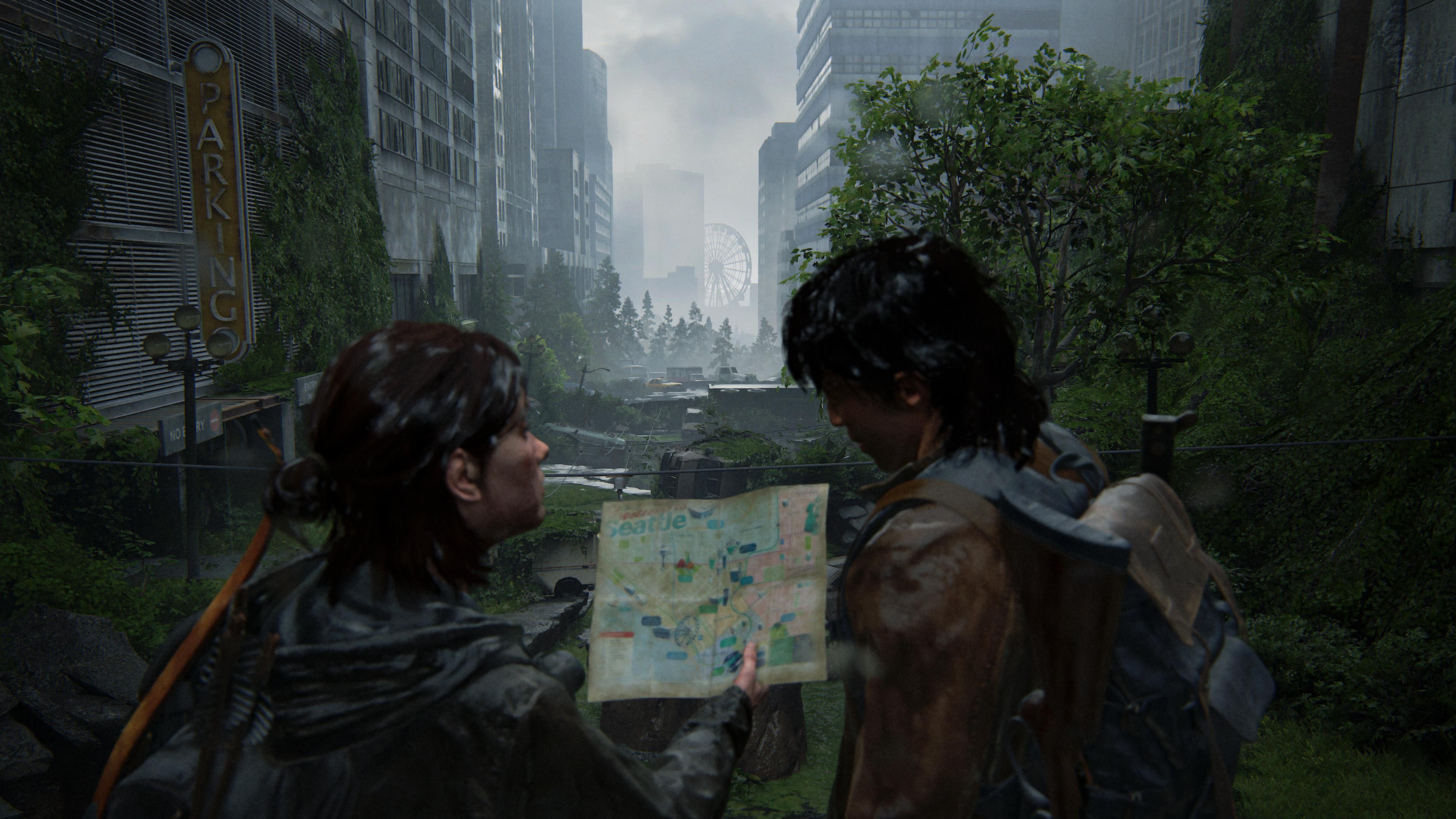
Unlike the predominantly linear gameplay found in other sections of the game, the Seattle hub permits players to traverse multiple interconnected buildings and locations. Players can freely explore the city, which adds layers of depth to the gameplay. This open-ended approach rewards exploration with valuable resources such as weapon upgrades, crafting materials, and collectibles, creating a more engaging player experience.
Multiple Points of Interest
The Seattle hub is densely packed with around a dozen points of interest, comprising about nine buildings that players can investigate. While only two of these buildings are crucial for advancing the main story, the remaining areas house additional lore, resources, and side missions. This variety significantly increases the player’s sense of discovery and accomplishment as they delve into the surroundings.
Collectible Incentives
In addition to the main narrative, players are encouraged to thoroughly investigate the Seattle hub through collectible incentives. Exploring all main areas allows players to unlock the Sightseer Trophy, promoting a sense of achievement for completing an extensive exploration of the environment. This contrasts with other parts of the game, where such optional gameplay elements are less emphasized.
Environmental Realism and Setting
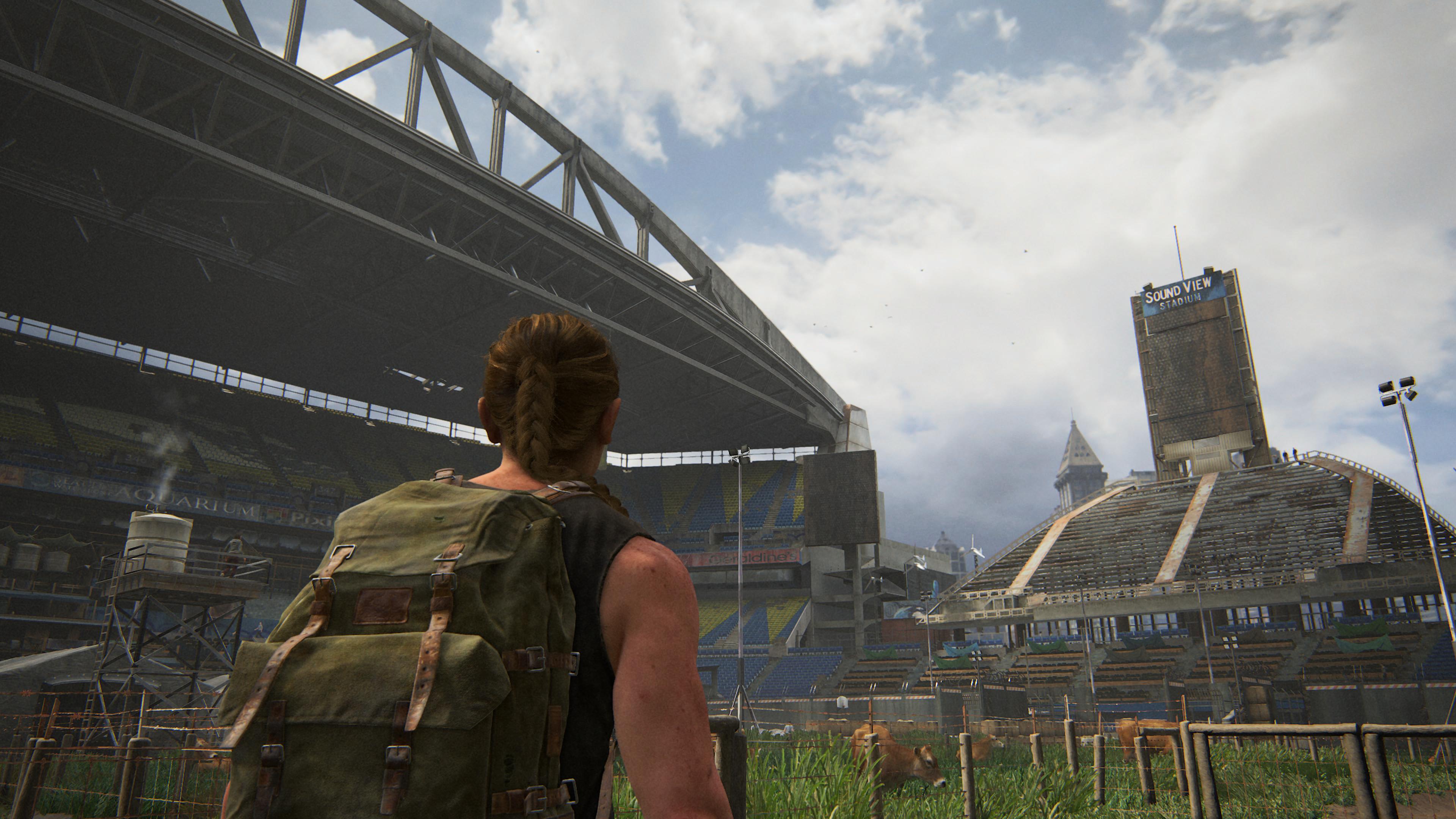
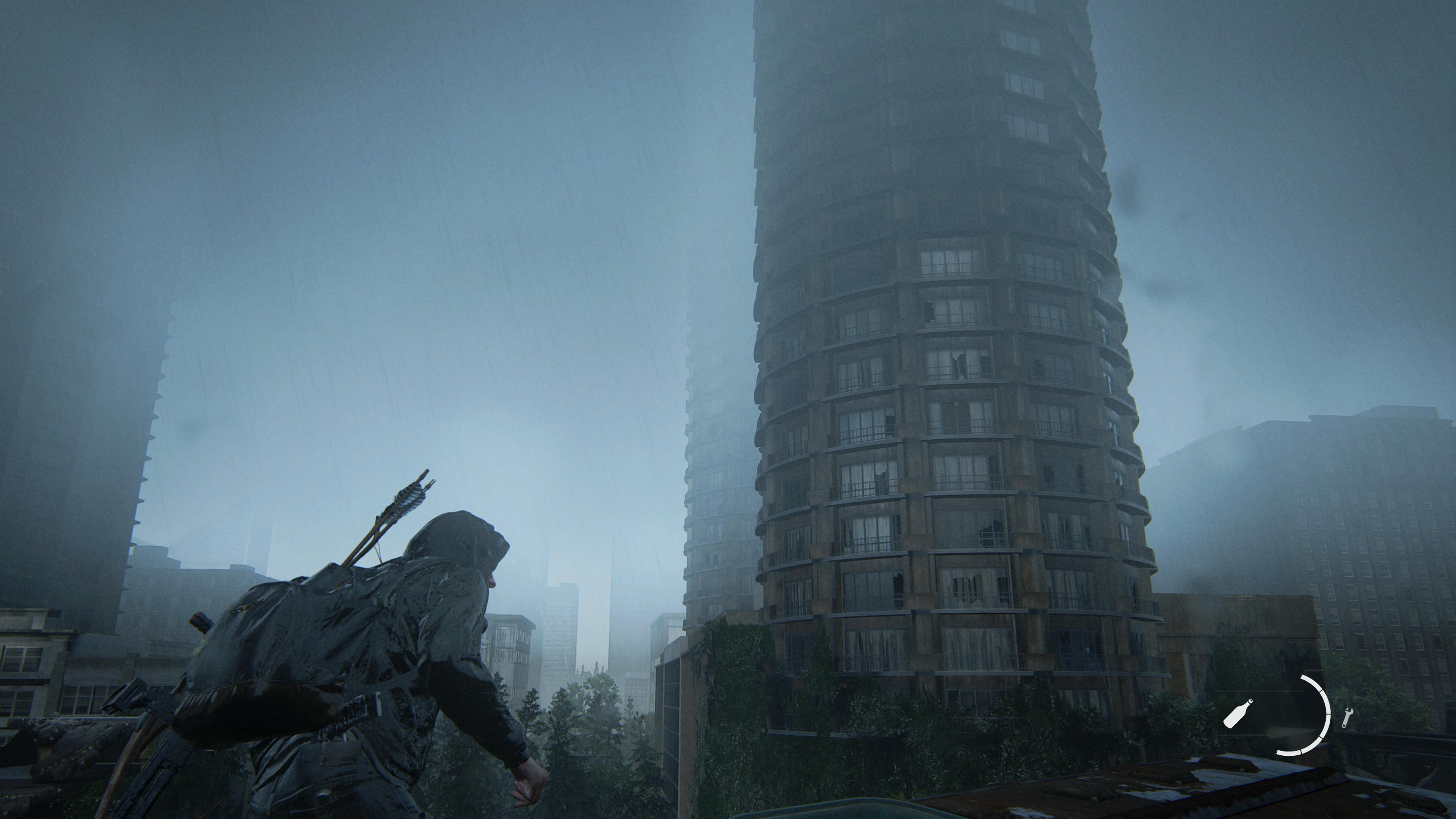
The hub effectively recreates familiar Seattle landmarks within a post-apocalyptic context, such as the Paramount Theatre and Columbia Center. This artistic choice offers players an authentic backdrop while still adapting the geography for gameplay purposes. Although the landmarks reflect real-life architecture, they are modified to enhance the gaming experience, promoting immersion in the narrative.
Narrative Integration with Gameplay
The Seattle hub skillfully integrates narrative elements with gameplay mechanics, creating practical challenges for players. For instance, players may need to restore power by finding gas for a generator to open various gates. This connection between exploration and story progression enhances the game’s engagement and ensures that players feel that their actions have tangible consequences.
Conclusion
In summary, the Seattle hub in The Last of Us Part II stands out as a nuanced semi-open world segment that deftly balances narrative progression with opportunities for meaningful exploration and optional content. Its design enriches the player experience by blending exploration, collectible incentives, and environmental storytelling within a richly detailed world, marking a notable evolution in the game’s overall structure compared to its more linear sections.


Leave a Reply