
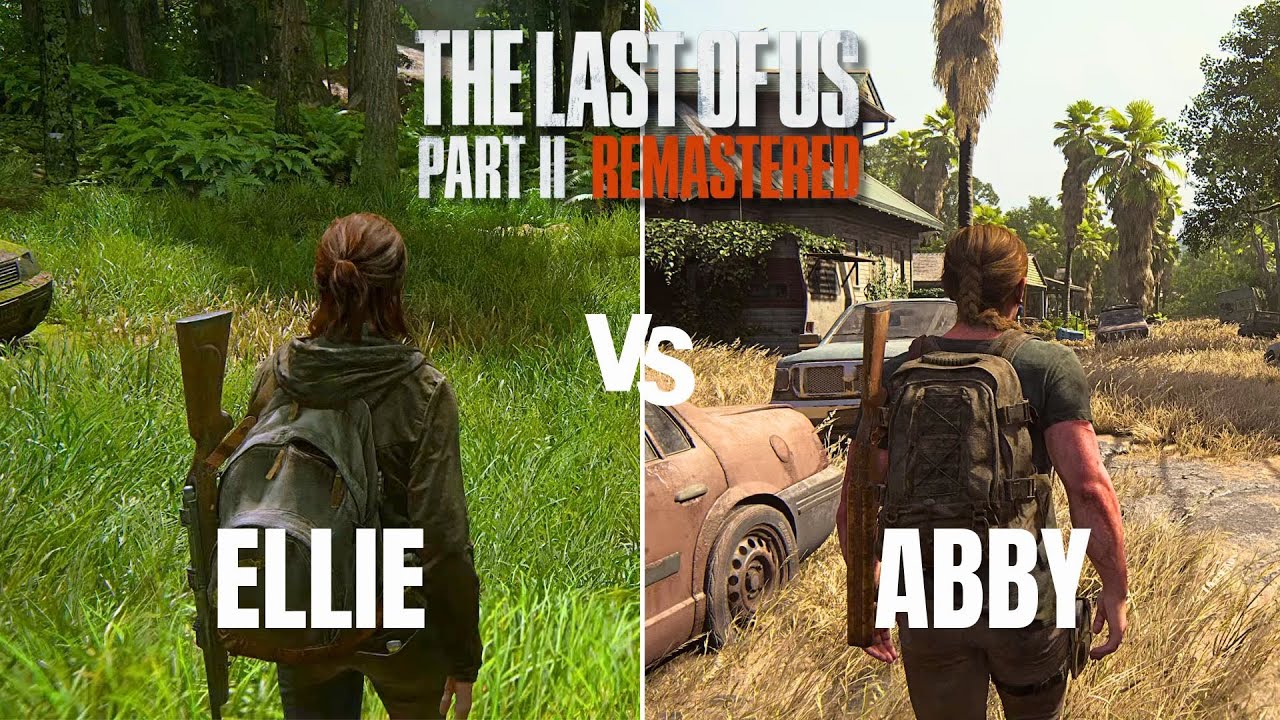
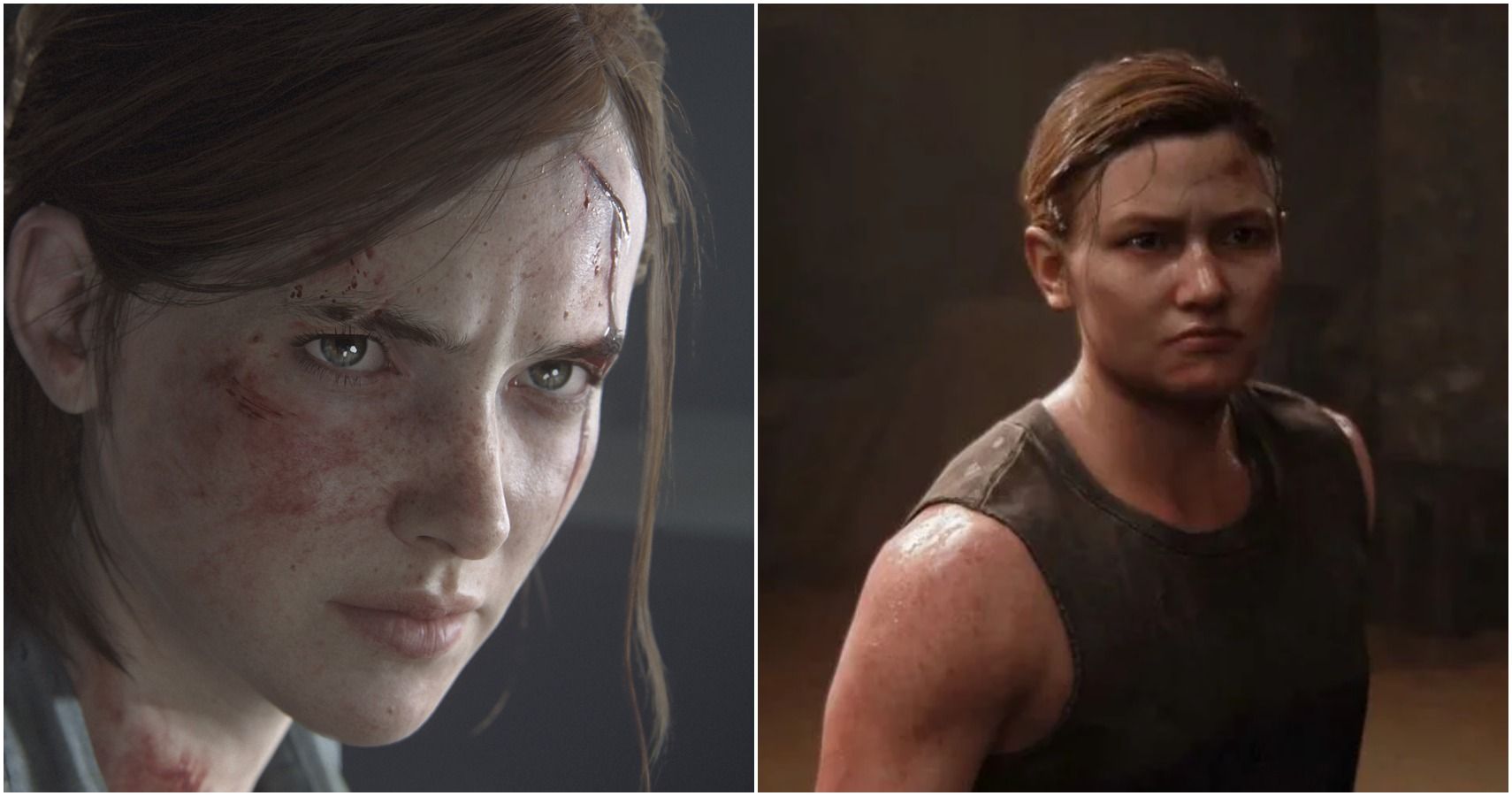
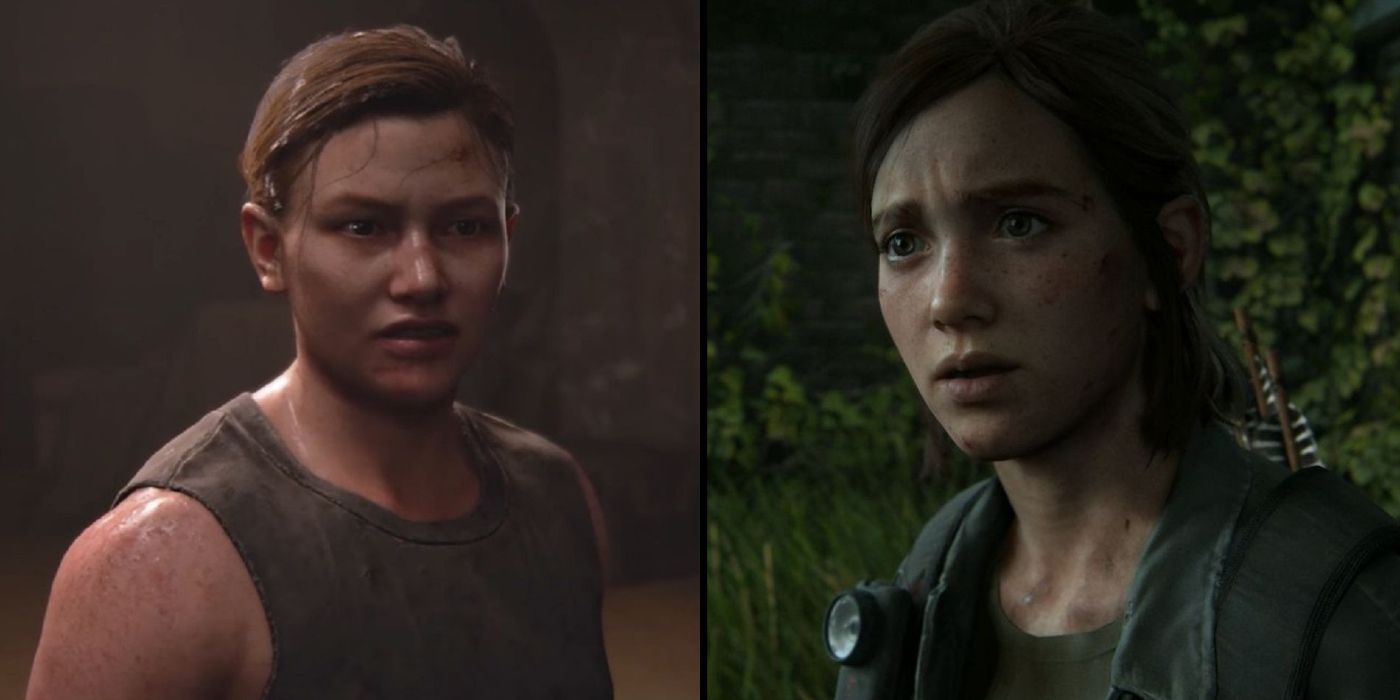
In The Last of Us Part II, the distinction between playing as Ellie and Abby is meticulously crafted to provide players with two distinctly immersive gameplay experiences. These differences are multifaceted and encompass physical attributes, combat styles, weapons, and overall encounter designs. Here’s a comprehensive breakdown of these diverse elements:
Physical and Movement Differences
– Ellie: Her smaller stature and agility encourage stealthy gameplay. Players are often prompted to use Ellie’s nimbleness to evade enemies rather than confront them directly. This agility allows for a more fluid movement style where quick dodges and sneaky entries into enemy territories are essential.
– Abby: In contrast, Abby’s larger and more muscular frame makes her a formidable presence in combat. While her movements are heavier and somewhat slower, they are complemented by her sheer physical strength, allowing her to overpower foes with melee attacks. This design choice lends itself to a more confrontational approach in gameplay.
Combat Style and Strengths
– Ellie: Her combat strategy revolves around stealth, agility, and ranged weaponry. She can flank enemies and take them out without being detected, which often requires players to think critically about their approach to encounters. Ellie’s skill set leans towards sneaky eliminations and utilizing the environment for cover.
– Abby: With her strong melee capabilities, Abby is optimal for players who prefer direct contact with enemies. Her hand-to-hand combat skills, enhanced by unique upgrades, allow her to grapple and defeat enemies in close quarters with raw power. This shift encourages a playstyle that is more aggressive and confrontational.
Weapons and Equipment
– Ellie: The bow and arrow are iconic to Ellie’s character, providing silent and precise long-range kills. This weapon not only aligns with her stealth approach but also emphasizes resourcefulness—players often find themselves crafting arrows to maintain their arsenal.
– Abby: In contrast, Abby wields a crossbow, which allows for quicker stealth kills compared to Ellie’s bow, as well as heavier-duty weaponry such as pipe bombs and incendiary shells. Her access to destructive weapons like the flamethrower results in combat that feels more explosive and dynamic, making encounters with her more intense and cinematic.
Gameplay Feel and Encounter Design
– Ellie: Segments that feature Ellie often prioritize stealth tactics, where players must navigate through collections of enemies and environmental challenges carefully. This requires meticulous planning and stealth rather than brute force.
– Abby: Gameplay centered around Abby presents a variety of enemy types and lengthier confrontations, demanding players to adopt a more direct combat style. The diversity of threats in Abby’s scenarios invites players to engage with enemies head-on, employing brute strength and weaponry for survival.
Conclusion
The intentional design of Ellie and Abby’s gameplay mechanics fosters a sense of variety and richness within The Last of Us Part II. Each character’s unique attributes and approaches ensure that players encounter different types of challenges, strategies, and emotional narratives. Ellie offers a nimble, stealth-oriented experience while Abby represents strength and direct confrontation, making the game a rich tapestry of gameplay styles that keeps players engaged and invested throughout their journey. This deliberate contrast not only enhances gameplay diversity but also deepens the emotional investment in the story as players navigate the complexities of each character’s journey.


Leave a Reply