
In The Outer Worlds, players must navigate a variety of encounters with hostile wildlife and marauding enemies, each necessitating distinct strategies and approaches. Here’s a detailed breakdown of how to effectively manage these combat scenarios:
Hostile Wildlife Handling
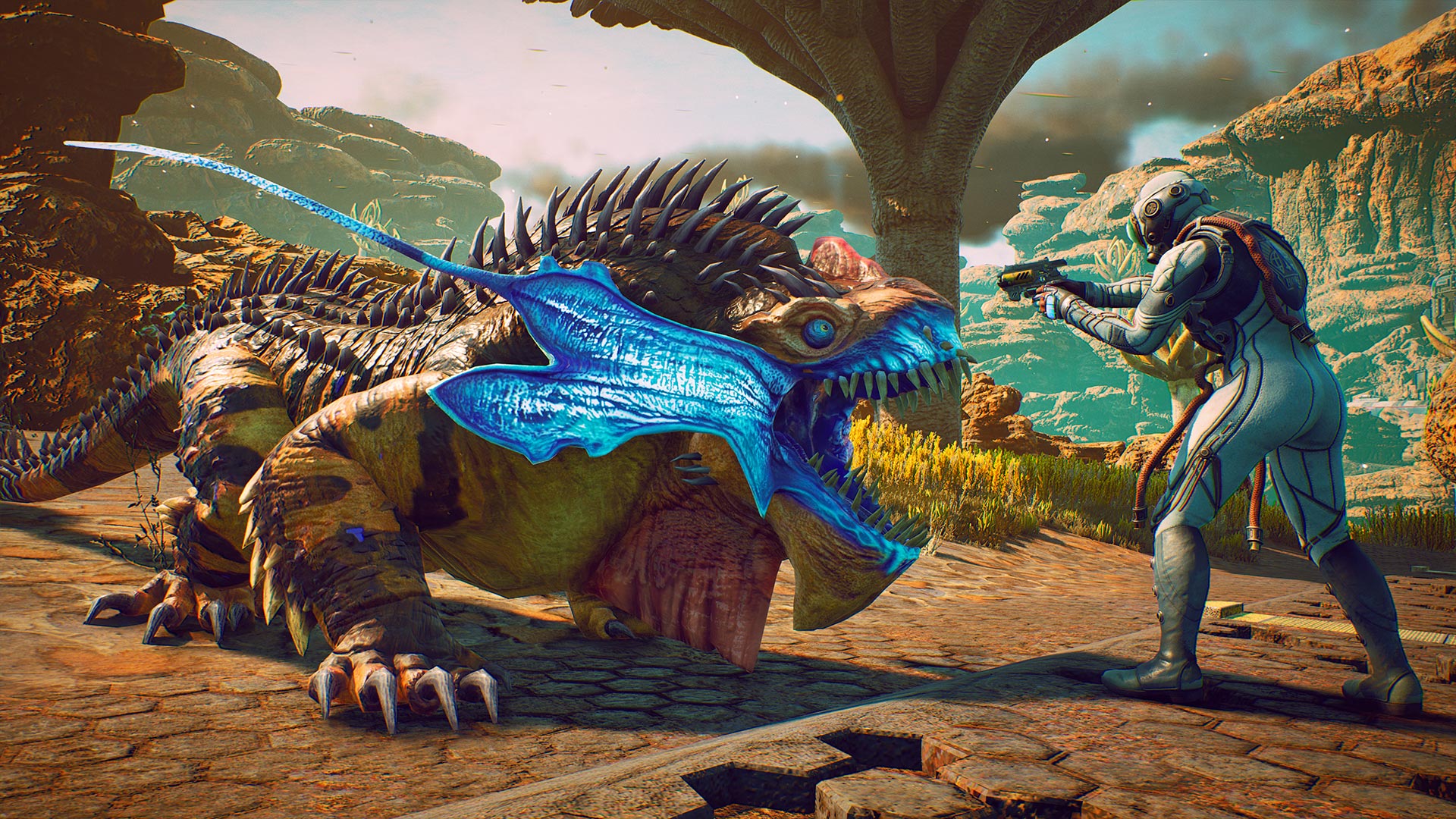
Wildlife in The Outer Worlds behaves more akin to natural animals than rational adversaries. Understanding their behavior can provide crucial insights for players:
1. Behavior Patterns:
– Avoidance of Conflict: Most wildlife species, unlike their human counterparts, will typically avoid confrontations. They are likely to intimidate or scare players away if they perceive them as a threat due to their armed presence. Situational aggressiveness may emerge during specific events such as mating seasons or when they feel cornered or are protecting their young.
– Species Variation: Different wildlife species, like mantiqueens (large insect-type creatures), exhibit diverse aggression levels. Players should familiarize themselves with the behaviors of various creatures to make informed decisions.
2. Strategic Engagement:
– Observation and Assessment: Before engaging, players should carefully observe wildlife to gauge whether an encounter is necessary. Many creatures will only attack under certain conditions. If the odds seem unfavorable, avoidance can be a wise tactic that helps conserve resources.
Combat Against Marauders
Marauders present a stark contrast to wildlife as they are human foes driven by aggression and persistence:
1. Types of Marauders:
– Marauders come in several forms, such as Vandals, Lookouts, Hooligans, and Ringleaders, each with different approaches to combat. These enemies typically do not retreat and will fight relentlessly until defeated.
2. Tactical Approaches:
– Adaptation to Combat Style: Players need to adapt their combat tactics based on the marauder types. Utilizing cover, choosing suitable weaponry, and employing companion abilities can significantly tilt the odds in the player’s favor, especially on higher difficulties where marauders become more formidable.
General Combat Tips
Regardless of whether the player is dealing with wildlife or marauders, several general combat strategies can enhance survivability and effectiveness:
1. Tactical Disengagement:
– If a player finds themselves overwhelmed, they can disengage from combat by moving away from the fight. Enemies, including marauders, will retreat to their spawn area and regain health, offering the player a chance to regroup, replenish resources, or change strategy.
2. Leveraging Stealth and Weapon Choice:
– Using stealth to approach encounters can yield tactical advantages. It’s important to choose the right weapons for a situation—whether they are energy-based, ballistic, or melee—and to exploit enemy weaknesses. This can be particularly effective against marauders.
3. Companions and Dialogue Options:
– Companions can provide valuable assistance in combat, but leveraging their unique skills and perks is crucial for maximizing damage output. In some scenarios, employing dialogue options to intimidate leadership figures or potentially resolve encounters without violence can lead to beneficial outcomes.
Conclusion
In conclusion, effectively navigating hostile encounters in The Outer Worlds requires a nuanced understanding of the behavioral patterns of wildlife and the aggressive tendencies of marauders. Planning engagements strategically, utilizing the environment to your advantage, and employing dialogue where possible can turn potentially dangerous situations in your favor. By adapting to the specific type of enemy and their behavior, players can conserve resources and succeed in their quest across the fringes of the galaxy.




Leave a Reply