
In The Outer Worlds, the significance of dialogue choices extends far beyond mere conversation—these interactions are pivotal in shaping both faction reputation and overall narrative outcomes, fundamentally altering character relationships and the game world itself.
Dialogue Choices and Faction Reputation
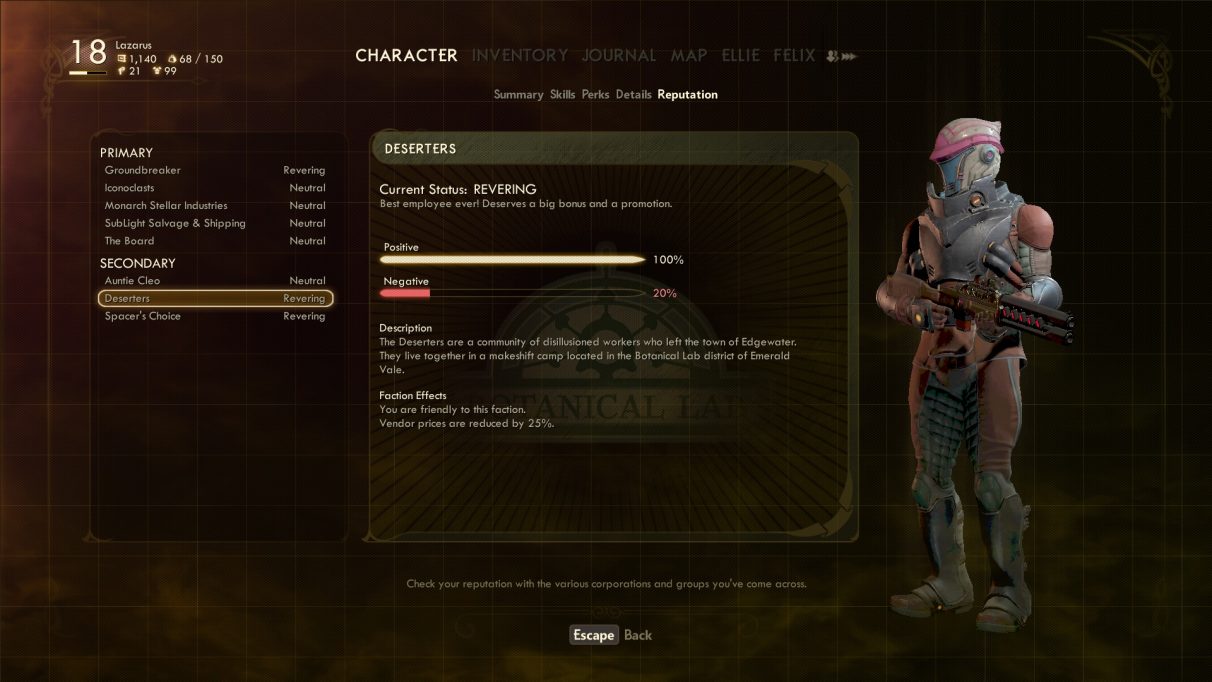
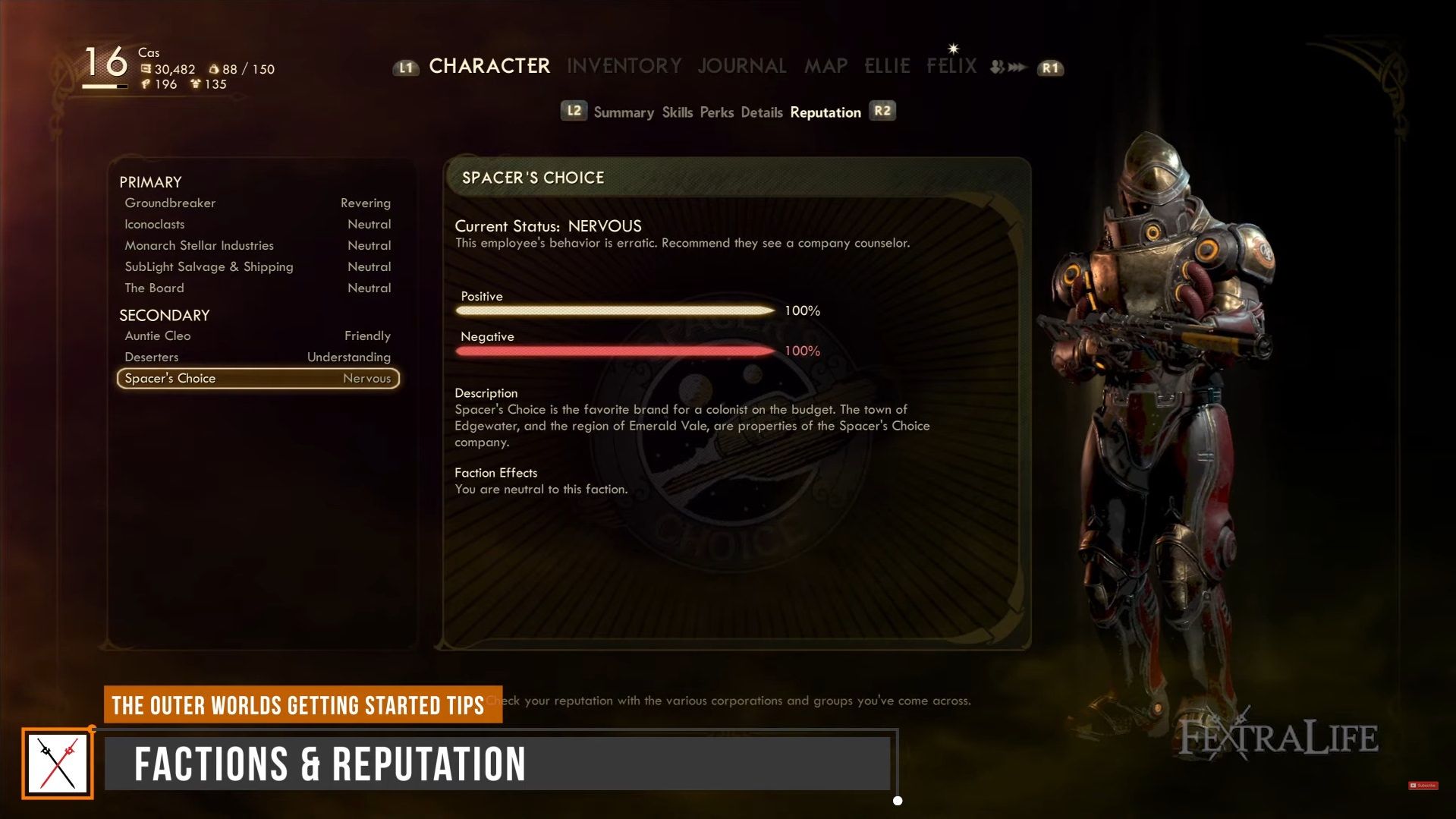
1. Faction Relations: The decisions you make during dialogues directly impact how factions perceive your character. Supporting one faction’s agenda typically enhances your reputation with that group while diminishing goodwill with their adversaries. For instance, siding with the corporations in Edgewater may alienate the idealistic residents of the Botanical Lab, leading to a more hostile or friendly environment based on your actions. This dynamic can also unlock unique quests or provide specific benefits, while drawing antagonism from rival factions should your choices antagonize them[5].
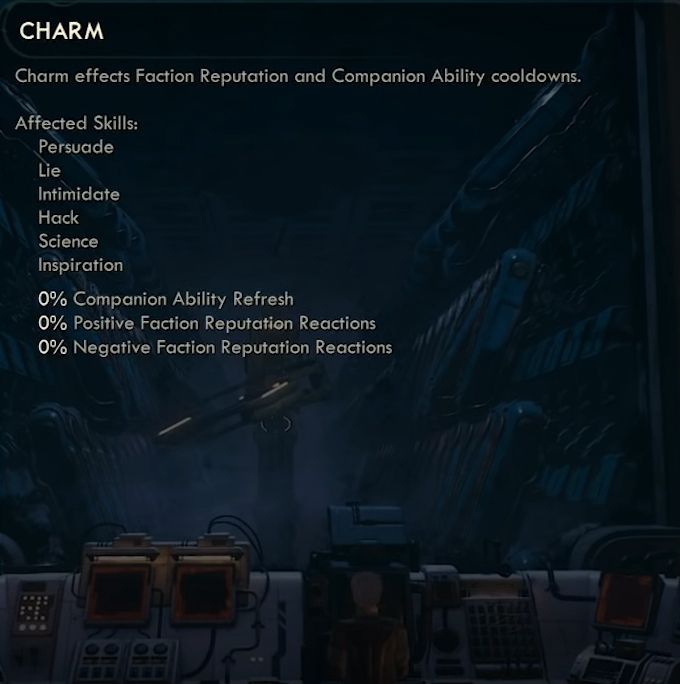
2. Dialogue Skills: The incorporation of dialogue skills, such as Persuade and Intimidate, provides alternative methods for engaging NPCs. Using Persuade generally allows for a more diplomatic resolution, often succeeding in gaining allies or favourable outcomes without inflaming tensions. Conversely, Intimidate may achieve quicker results in critical situations but risks backlash from NPCs and potentially lowers reputation and relations below a manageable threshold[3][4].
3. Manipulation of Outcomes: The ability to manipulate conversation outcomes through dialogue skills broadens the strategic options available to players. Engaging in combat-related dialogue, for example, can introduce debuffs to enemies or maneuver NPC allegiance, showcasing how communication serves not only as a narrative device but as a tool for influencing the game’s mechanics and combat scenarios[1][3].
Dialogue Choices and Story Outcomes
1. Critical Decision Points: Major dialogue-driven choices shape the overarching narrative landscape. One of the game’s pivotal decisions occurs early on regarding the diversion of power—a choice that significantly influences the story’s trajectory. Diverting power to Edgewater strengthens its corporate control, while supporting the Botanical Lab catalyzes dissent in Edgewater. Each choice intricately weaves new threads into the game’s narrative, resulting in altered faction dynamics and character arcs[5].
2. Complex Moral Dilemmas: The narrative is steeped in moral ambiguity, wherein most choices yield a mixture of consequences—some beneficial, others detrimental. Players must grapple with the implications of their decisions, as each choice can shape political landscapes within the Halcyon colony. This complexity ensures that your character’s journey and the reactions of factions evolve, leading to a tapestry of outcomes that reflects the player’s unique playstyle and moral compass[5].
3. Branching Storylines: The interplay between dialogue choices and story outcomes manifests in diverse quests and potential endings. Each conversation can lead down different paths, offering experiences that cater specifically to the player’s interaction style. A single decision can unlock new allies, trigger conflicts, or change the leadership of a location, showcasing how one’s dialogue choices resonate throughout the entire game[5][3][4].
Conclusion
In summary, dialogue choices in The Outer Worlds are instrumental in defining your relationship with various factions, influencing their perception of you based on your acts of support or opposition. These choices also form the crux of the main narrative and side quests, guiding the progression toward different endings and unique player experiences. The complex interplay between dialogue choices and their ramifications underscores the depth of narrative engagement offered by the game, encouraging players to forge their own paths in the richly crafted world of Halcyon.


Leave a Reply