
In The Outer Worlds, stealth gameplay and direct combat builds present two divergent paths for player engagement, each with distinct mechanics, effectiveness, and overall experience. Below is a detailed exploration of these differences and the implications for gameplay.
Stealth Gameplay in The Outer Worlds
Stealth mechanics in The Outer Worlds can be characterized as a supplementary tactic rather than a core gameplay style. Here are some key points regarding stealth:
– Limited Mechanics: Stealth gameplay relies primarily on skills, perks, armor mods, and consumables aimed at facilitating sneaky play and silent eliminations. However, the game does not strongly support stealth as an independent playstyle, leading to a somewhat shallow experience for players who gravitate towards stealth tactics.
– Detection System: Enemies display a diamond icon above their heads indicating their awareness. This icon changes shape and color as they begin to sense the player, providing some feedback about stealth status. However, the lack of advanced stealth mechanics, like effective body hiding and reliable takedowns, detracts from the overall immersive experience.
– Reliability of Stealth Attacks: While stealth attacks do exist, they are often less reliable compared to direct combat options. Players may find that engaged enemies are not always dispatched in one hit, and the absence of specialized stealth abilities or intelligent AI behavior that favors stealth greatly limits the enjoyment and tactical depth of this approach.
Direct Combat Builds
In stark contrast, direct combat builds in The Outer Worlds take center stage, emphasizing aggressive gunplay and combat efficiency:
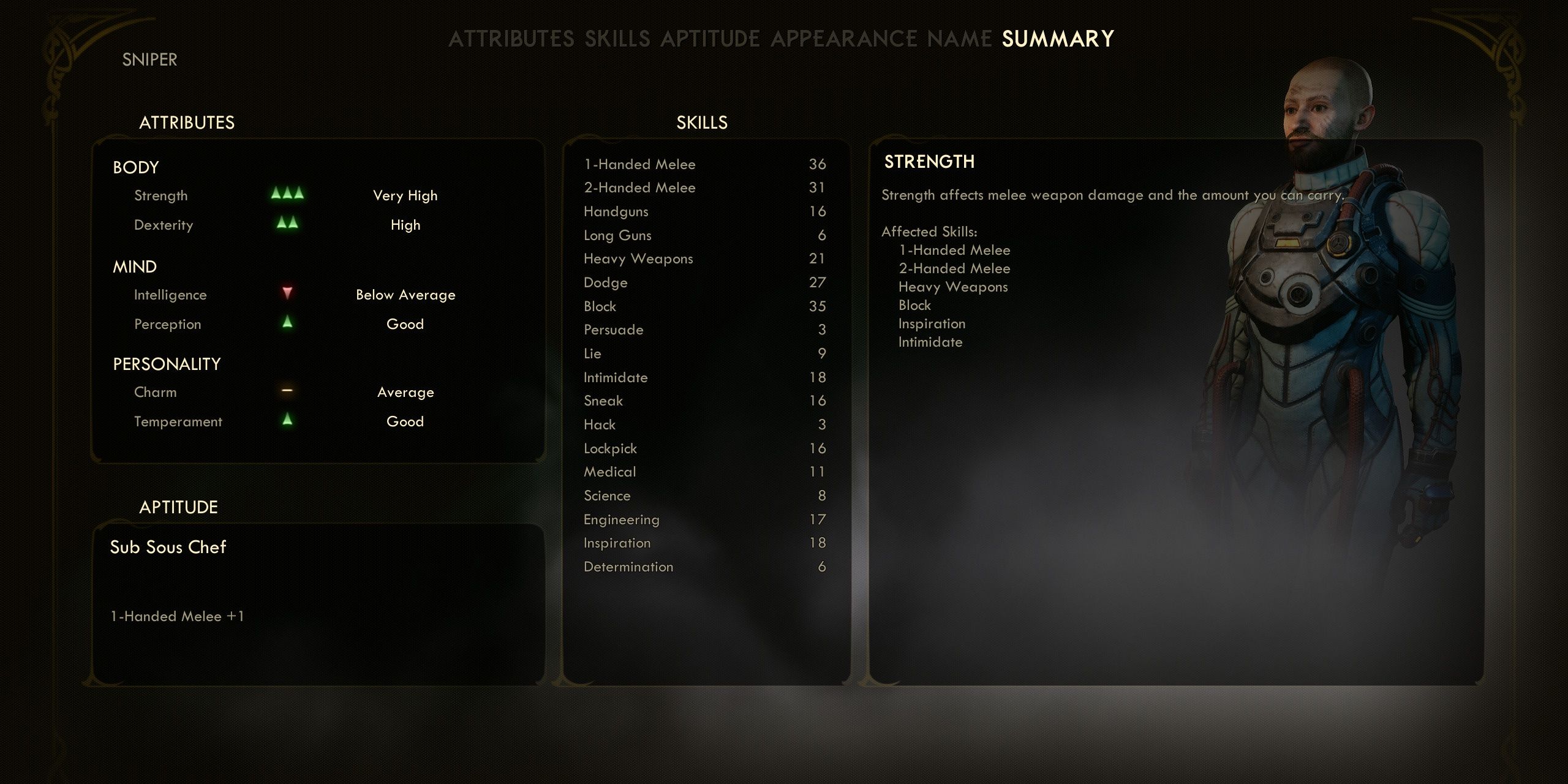
– Combat Mechanics: These builds focus on a wide array of weapons, including pistols, rifles, and heavy weaponry, and prioritize skills such as Marksmanship or Heavy Weapons. Perks that enhance damage output and survivability further bolster this aggressive playstyle.
– AI Behavior and Predictability: The enemy AI in The Outer Worlds is more reactive and tuned to respond to direct attacks, which reinforces the effectiveness of combat builds. Players can engage in more predictable encounters, facilitating straightforward strategies and leading to satisfying confrontations.
– Effectiveness and Reliability: Direct combat is the primary gameplay experience, as it is both reliable and supported by solid game mechanics. Players often find themselves rewarded for choosing brute force over stealth, making combat the go-to option for many scenarios.
Contrast and Summary
| Aspect | Stealth Gameplay (The Outer Worlds) | Direct Combat Builds |
|—————————-|—————————————————————|——————————————|
| Core Mechanics | Sneaking, avoiding detection, basic silent takedowns | Gunplay, heavy damage, direct confrontations |
| Enemy AI Response | Basic visual and audio cues, lacking depth in stealth strategies | Reactive to direct attacks, aggressive engagement |
| Effectiveness | Situational, less reliable, not strongly rewarded | Reliable, with mechanics designed to support aggression |
| Gameplay Role | Supplementary tactic, akin to an optional playstyle | Primary focus and the most viable option |
| Mechanics for Stealth | Basic detection indicators, limited body hiding, non-guaranteed kills | No stealth mechanics involved |
Improvements in The Outer Worlds 2
For context, the upcoming sequel, The Outer Worlds 2, appears poised to address many of the shortcomings of stealth mechanics observed in the first game. Key improvements include:
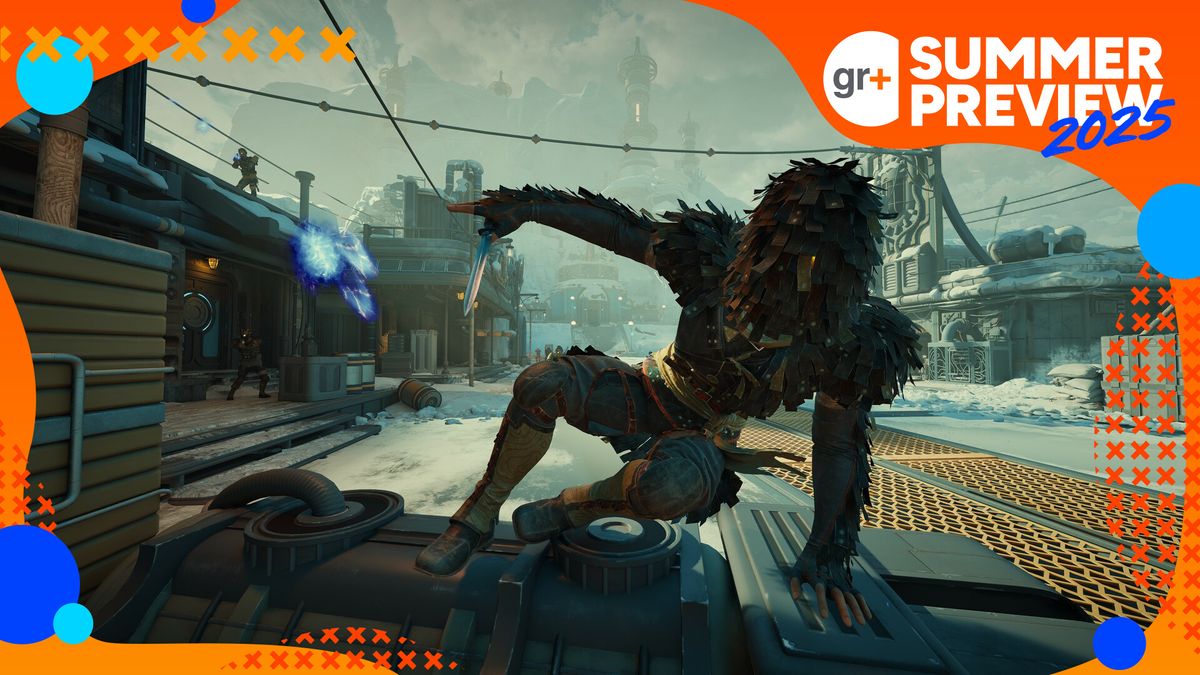
– Enhanced Stealth Features: The introduction of guaranteed stealth kills and mechanics like silent takedowns and body hiding aims to make stealth a rewarding and integral part of gameplay rather than a mere supplementary option.
– Intelligent Enemy AI: The sequel promises smarter AI that enhances gaming immersion and offers a genuine alternative to direct combat, allowing players to complete missions without resorting to aggressive tactics.
Conclusion
In summary, while The Outer Worlds offers players the option to engage in stealth gameplay, it ultimately pales in comparison to the more fleshed-out and rewarding experience associated with direct combat builds. Stealth remains a valid but underdeveloped route, lacking in mechanical support and reliable effectiveness. The forthcoming The Outer Worlds 2 aims to rectify these issues, potentially establishing stealth as a core gameplay pillar, thus broadening the tactical avenues available to players.

Leave a Reply