
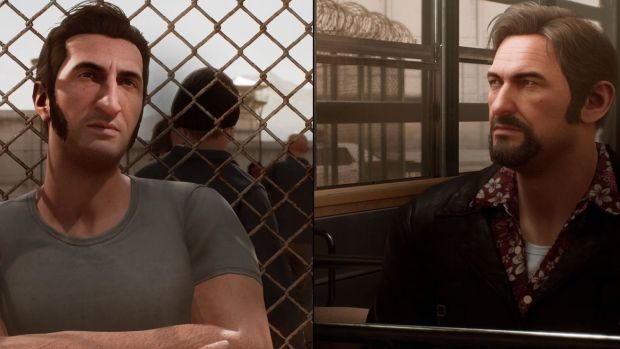
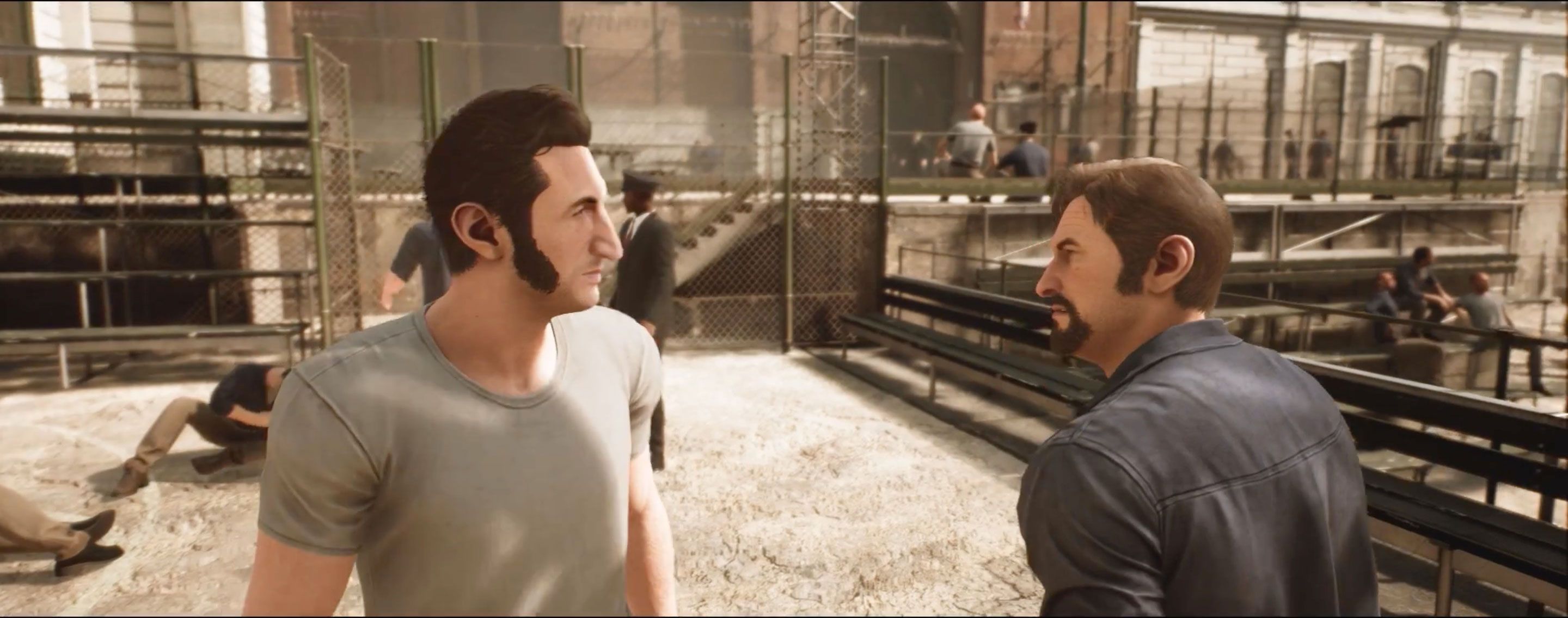
In A Way Out, Leo and Vincent embody two contrasting approaches that significantly impact gameplay dynamics during both stealth and combat sequences. Their differing personalities are intricately woven into their methods, which not only shape gameplay mechanics but also reinforce the narrative depth of the game.
Differences in Stealth
– Vincent’s Approach:
Vincent leans towards a more measured and strategic style during stealth segments. His preference for minimizing violence is evident; he would rather subdue situations non-lethally and avoid harming civilians or guards whenever feasible. This choice aligns with his background as an undercover cop, as it illustrates a character who is inherently cautious and values restraint. His careful tactics reflect his contemplative nature, suggesting a methodical approach rooted in his true identity and moral code.
– Leo’s Approach:
In stark contrast, Leo exhibits a more aggressive stealth style, characterized by his readiness to use brute force when necessary. He does not shy away from incapacitating guards or employing violent measures, which connects with his fiery personality as a seasoned criminal. His willingness to take direct action indicates a lower threshold for risk and an inclination towards immediate results, showcasing a less strategic but more action-oriented persona.
Despite these individual preferences in approach, the gameplay allows for a fluidity where both characters can engage in various stealth mechanics, such as silently dispatching guards. This design choice blurs the lines between their distinct skill sets in actual gameplay but emphasizes their contrasting attitudes toward stealth in the storytelling context.
Differences in Combat
– Leo’s Combat Style:
Leo’s combat tactics are straightforward and aggressive, reflecting his criminal background. He tends to favor violent encounters and is unafraid to engage directly with enemies. This inclination towards force highlights his hot-headed demeanor and a readiness to overcome challenges through sheer toughness, embodying the archetype of a brawler in combat scenarios.
– Vincent’s Combat Style:
Conversely, Vincent approaches combat with a fundamentally tactical mindset. Although capable of handling weapons effectively, he opts for methods that inflict less damage and prioritize control over chaos. His skills in dismantling firearms and executing stealthy maneuvers draw from his police experience, revealing a character who understands the intricacies of combat beyond brute force. This reflects his inherent restraint and focus on quick, calculated actions rather than outright violence.
Summary of Their Skill Usage
| Aspect | Leo | Vincent |
|—————|——————————–|——————————–|
| Stealth | Aggressive, willing to strangle guards | Pacifistic, avoids harming civilians/guards |
| Combat | Ruthless, direct combat | Tactical, prefers less violence, weapon expertise |
| Background | Career criminal, hot-headed | Undercover cop, calm and knowledgeable |
Conclusion
The interplay between Leo’s brashness and Vincent’s caution is fundamental to the cooperative gameplay experience in A Way Out. Their complementary approaches foster a dynamic partnership where players must strategically combine Leo’s aggressiveness with Vincent’s tactical acumen to navigate challenges.
Ultimately, Leo’s reliance on toughness and aggression complements Vincent’s careful and tactical methods, reinforcing the narrative’s reflection on their differing backgrounds and personalities. This thoughtful design not only enriches gameplay but also deepens the players’ emotional investment in their journey, illustrating the complex nature of their relationship as they strive for freedom.



Leave a Reply