
In Among Us, the Door sabotage feature plays a crucial role in the strategy of Impostors, particularly on the Polus and The Airship maps. By understanding the mechanics and tactical applications of this feature, both players and Crewmates can better navigate their gameplay.
Door Sabotage on Polus
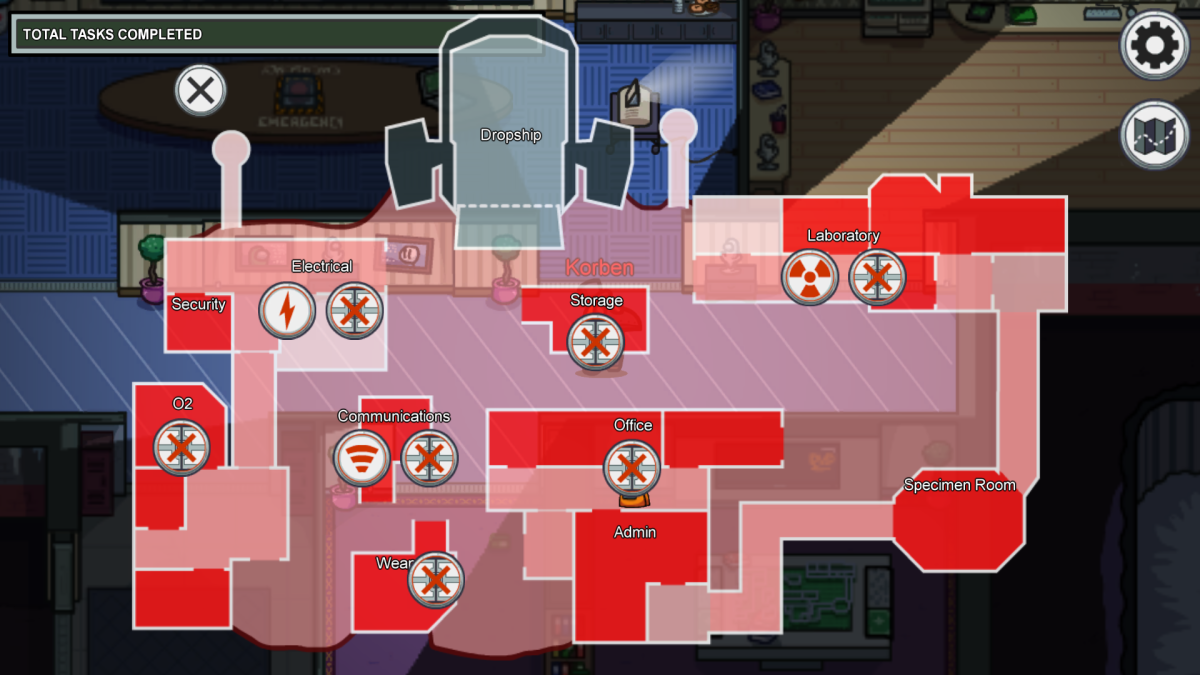
On the Polus map, Impostors have the ability to close numerous doors strategically, severing connections between different areas of the map. This mechanic can result in significant gameplay shifts:
– Isolation: When doors are closed, Crewmates find themselves trapped in certain rooms or narrow hallways, unable to escape until the sabotage is addressed or after a timed duration when doors automatically reopen.
– Vulnerable Opportunities: Closed doors provide Impostors the chance to isolate and eliminate Crewmates with less risk of being seen or interrupted, thus heightening the potential for stealthy kills. By forcing Crewmates to navigate around closed doors, Impostors can slow down their task completion rates.
Effective use of door sabotage can lead to strategic advantages, allowing Impostors to create fear and uncertainty, thereby hindering Crewmate teamwork.
Door Sabotage on The Airship
On The Airship, the Door sabotage function operates with a unique twist that differentiates it from other maps:
– Card Swipe Resolution: To restore function after a Door sabotage, Crewmates must complete a task involving swiping a card at a terminal. Unlike the straightforward resolution of door sabotages on Polus, this card swipe adds an additional layer of complexity to the situation.
– Isolated Scenarios: Much like on Polus, closed doors can trap players and divide the map into isolated sections, further enabling Impostors to capitalize on situations where Crewmates are separated or unable to reach critical areas quickly.
This unique aspect of The Airship’s Door sabotage not only isolates players but also tests Crewmates’ task management skills in heightened pressure situations.
Tactical Use of Door Sabotage
In both maps, Impostors can effectively utilize Door sabotage to manipulate player movement through several tactics:
– Trapping Crewmates: By closing doors to seal off rooms or hallways, Impostors can trap one or more Crewmates, significantly lowering their escape options and increasing their vulnerability.
– Combining Sabotages: The effectiveness of Door sabotage can be maximized when combined with other sabotage actions (e.g., Oxygen depletion or Communication failure), creating a multi-faceted approach to disrupt Crewmate plans.
– Revealing Positions: When attempting to escape from Door sabotages, Crewmates may inadvertently reveal their locations or intentions, which can be advantageous for Impostors looking to plan their next move.
Conclusion
In conclusion, the Door sabotage feature on both Polus and The Airship provides Impostors with significant tools to influence gameplay through isolation and manipulation of player positioning. On Polus, the ability to close doors provides straightforward disruption, while The Airship introduces the challenge of card swipe resolution to reopen doors, adding complexity. By utilizing these features strategically, Impostors can create substantial advantages that can lead to successful eliminations and victories. Understanding these tactics allows players, whether Crewmates or Impostors, to navigate the game more effectively.


Leave a Reply