
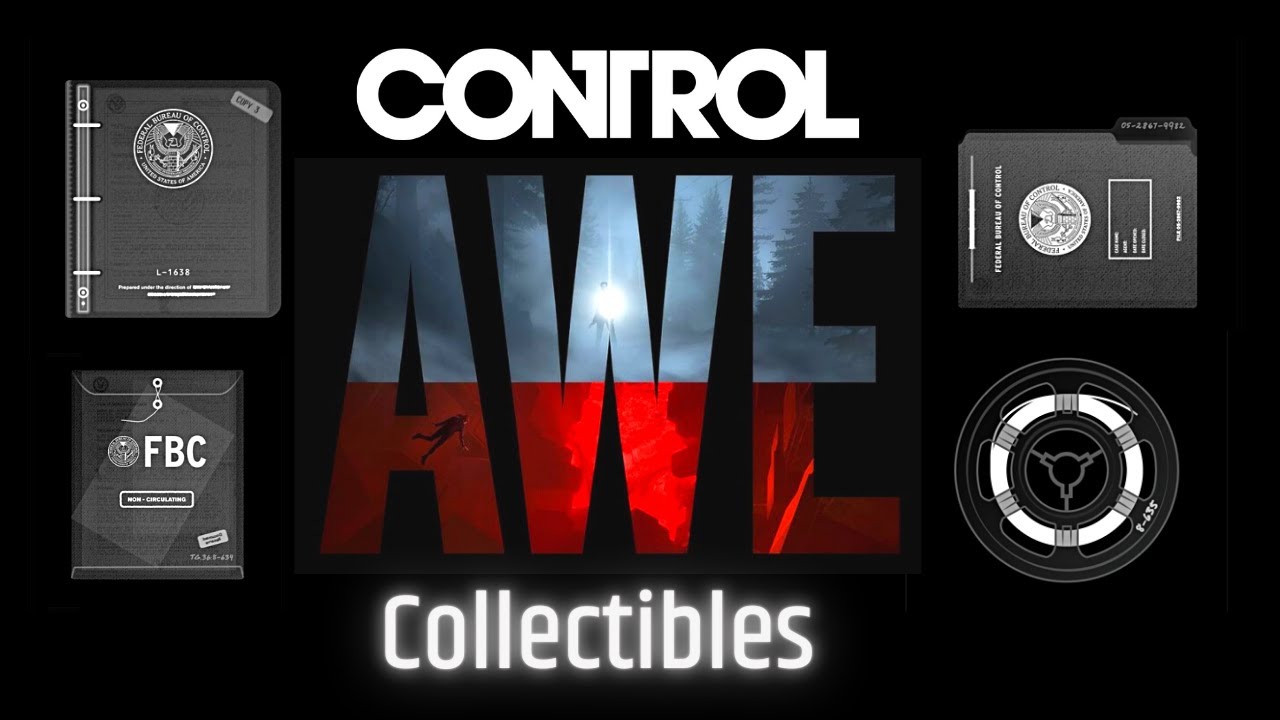
In Control, collectible items are essential to the overall narrative, functioning as gateways to a more profound understanding of the game’s universe, characters, and the enigmatic Oldest House. The collectibles are categorized into various types, each offering a unique contribution to the storytelling experience, creating a multifaceted narrative environment.
Types of Collectibles and Their Narrative Role
1. Research and Documents: These serve to illuminate the backstory of the Oldest House and the intricacies of the Bureau’s operations. They often contain descriptions of supernatural phenomena and the extensive history underlying the Bureau’s activities.
2. Dossiers: Character profiles provide insight into key figures within the Bureau, shedding light on their backgrounds, motivations, and pivotal roles in the unfolding events. This helps players develop a nuanced understanding of the personalities they encounter.
3. Correspondence: Personal letters, memos, and other forms of correspondence convey the interpersonal dynamics among the Bureau’s employees. Such items often hint at underlying tensions, conspiracies, and hidden agendas that enrich the game’s narrative layers.
4. Multimedia: Utilizing photographs, videos, and audio recordings, these collectibles enhance the story through immersive visuals and sounds, enabling players to experience firsthand accounts of events or gain insights through surveillance footage.
5. Special Line Collectibles: These unique items are tied to specific narrative threads, often linked to outstanding lore elements or pivotal story moments, making them vital for completists eager to absorb every aspect of the game’s plot.
The collectibles are thoughtfully hidden throughout the Oldest House, encouraging players to explore every nook and cranny in search of new information. The game provides visual indicators for these items, ensuring players can balance exploration and combat without becoming too fixated on finding collectibles.
How Collectibles Unfold the Narrative
The collectibles in Control present a non-linear narrative experience, allowing players to piece together the story in their own way:
– Backstory and Worldbuilding: By engaging with these items, players can uncover rich lore about the Oldest House, the Federal Bureau of Control, and various supernatural “Altered World Events.” This iterative exploration encourages a contextual understanding of the game’s complex universe.
– Character Development: The dossiers and correspondence deepen players’ insights into individual characters, revealing their relationships, motivations, and responses to the chaotic events surrounding them. This layer of character study enhances emotional engagement with the narrative.
– Plot Enhancements: Through multimedia files and case files, players discover concealed aspects of the plot or expanded viewpoints that supplement the primary storyline encountered in missions. Such additional context can often shift players’ perspectives on the events they experience.
– Post-Story Content: After the main storyline has concluded, new collectibles emerge, offering fresh mysteries and filling in narrative gaps. This continual uncovering encourages players to remain invested in the atmosphere of Control, delving deeper into its mythology even after completing the core narrative arc.
Example from DLC Content
In the Foundation DLC, the collectibles advance the narrative by providing extensive background that elucidates the origins of the Oldest House’s power and the complexities of the astral realm. Research documents and case files reveal the nature of the supernatural forces at play, particularly concerning the Hiss entity. This critical lore not only enriches the DLC’s storyline but also frames it within the larger context of the Bureau’s ongoing struggles and objectives.
Summary
Overall, the collectibles in Control are not merely supplementary; they are a vital storytelling mechanism that crafts a layered and immersive narrative. Through detailed lore, character exploration, and plot enhancements, players are invited to engage deeply with both the environment and the unfolding story. This player-driven narrative experience makes the journey through the bizarre world of Control feel organic and imbued with personal discovery.
Leave a Reply